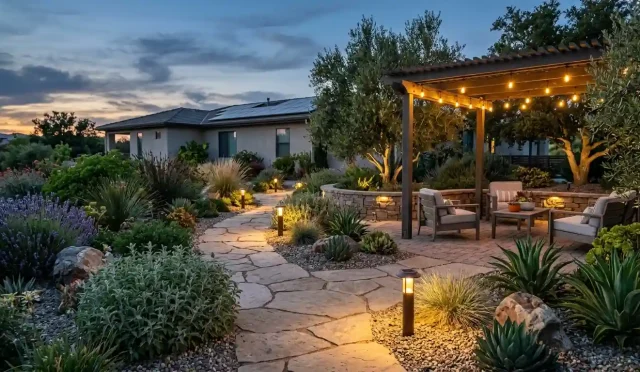
California outdoor living is unmatched. With long sunny days and pleasant evenings, homeowners across the Golden State naturally extend their living spaces into backyards, patios, and garden pathways. Transforming your outdoor space does not require high energy bills or complicated electrical wiring. Solar-powered outdoor lighting offers an eco-friendly, cost-effective, and versatile solution to illuminate your landscape while embracing California’s sustainable lifestyle.
Why Solar Lighting Fits the California Lifestyle
California leads the nation in solar energy adoption, and for good reason. The state boasts an average of 250 to 300 sunny days per year. This constant exposure makes solar lighting incredibly efficient and reliable for residential properties.
Installing solar fixtures reduces your reliance on the electrical grid, directly lowering monthly utility costs. Furthermore, solar lights operate completely off-grid, requiring no trenches, outdoor outlets, or professional electrician fees. They automatically charge during the peak daylight hours and illuminate your yard as dusk falls, combining zero operating costs with effortless automation.
Understanding Key Features of Solar Outdoor Lights
Before selecting fixtures for your yard, understanding basic solar technology helps you make informed choices. Modern solar lights consist of three main internal components: a photovoltaic panel, a rechargeable battery (usually Lithium-ion), and energy-efficient LED bulbs.
- Solar Panel Efficiency: High-efficiency monocrystalline solar panels capture maximum sunlight, even during shorter winter days or light overcast conditions.
- Battery Capacity: Higher milliampere-hour (mAh) capacity ensures your lights stay bright throughout the entire night.
- Lumen Output: Lumens measure brightness. Ambient garden accent lights usually require 15 to 30 lumens, while pathway lights need 50 to 100 lumens. Motion-activated security floodlights demand 300 to 1,000+ lumens.
- Weather Resistance: Look for an IP65 or higher waterproof rating to ensure your lights withstand heavy winter rains, lawn sprinklers, and coastal salt fog.
Top Types of Solar Lights for California Outdoor Spaces
Designing a well-lit garden or patio involves layering different lighting types to create depth, safety, and ambiance.
1. Solar Pathway and Stake Lights
Line your garden walkways, driveways, or flower beds with durable stake lights. These fixtures guide guests safely through your property while highlighting your landscaping features. Choose models with warm white LEDs (2700K–3000K) to create an inviting atmosphere.
2. Solar String Lights and Festoon Hanging Lights
Transform your patio, pergola, or balcony into an cozy evening retreat. Solar string lights wrap effortlessly around trees, railings, or outdoor dining structures. Look for shatterproof Edison-style filament bulbs to add a stylish retro charm to your outdoor gatherings.
3. Solar Landscape Spotlights and Up-lights
Highlight architectural details, palm trees, drought-tolerant succulents, or decorative stone walls. Adjustable solar spotlights allow you to position the solar panel toward direct sun while angling the light fixture toward your focal point.
4. Solar Motion-Sensor Security Lights
Enhance home security around side yards, garages, and back doors. High-lumen motion detector lights stay dim or off until they sense movement, scaring off potential intruders and providing instant visibility when you walk outside at night.
Strategic Placement Tips for Maximum Sunlight and Ambiance
Even in sunny California, proper light placement dictates performance. To maximize your solar lights’ efficiency and lifespan, follow these practical installation strategies:
- Avoid Shaded Zones: Avoid placing solar panels under dense tree canopies, deep eaves, or large patio umbrellas. Ensure panels receive at least 6 to 8 hours of unshaded, direct sunlight daily.
- Angle Toward the South: In the Northern Hemisphere, positioning integrated or detachable solar panels facing true south ensures maximum solar energy absorption throughout the day.
- Keep Away from Streetlights: Automatic photocell sensors turn solar lights on when ambient light drops. If placed too close to bright porch lights or streetlamps, your solar fixtures might falsely detect daylight and fail to turn on.
- Layer Light Heights: Combine low ground pathway stakes, medium wall-mounted sconces, and elevated overhead string lights to achieve a balanced, professional landscape design.
Maintenance for Long-Lasting Performance
Solar lights require very little ongoing maintenance, but a few simple habits extend their lifespan significantly:
- Clean the Solar Panels Regularly: Dust, pollen, and dry ash from seasonal wildfires settle on solar panels, blocking light absorption. Wipe panels down with a damp microfiber cloth every few weeks.
- Trim Surrounding Foliage: Keep nearby plants and bushes trimmed back so they do not block sunlight from reaching the panels as the seasons change.
- Replace Rechargeable Batteries: Solar batteries gradually lose charge capacity after 1 to 2 years of daily cycling. Replacing old batteries restores your fixtures to original brightness without needing new light housings.
Environmental Benefits and Energy Savings
Switching to solar outdoor fixtures aligns perfectly with California’s commitment to clean energy and water-wise gardening. Combined with native xeriscaping—like agave, lavender, and sage—solar lighting creates a resilient, low-maintenance outdoor sanctuary. By harnessing free solar energy, you reduce carbon emissions, eliminate wiring hazards around wet garden zones, and keep money in your pocket year after year.
Recommended Amazon Product
- GIGALUMI Solar Pathway Lights Outdoor (8 Pack): Premium stainless steel and glass outdoor solar lights offering brilliant warm white illumination, high weather resistance, and automatic dusk-to-dawn performance ideal for California yards and gardens.