
Eco-Conscious Consumers and Power Products: A Comprehensive Guide
Modern lifestyles are inseparable from power-hungry devices—phones, laptops, kitchen appliances, electric tools, and more. For eco-conscious consumers, this creates a dilemma: how can you stay connected and productive without increasing your carbon footprint? The answer lies in carefully chosen, sustainable power products that balance performance, durability, and environmental responsibility.
This article explains what eco-conscious power products are, how they help reduce environmental impact, and how you can choose the best options for your home, office, or outdoor adventures.
What Makes a Power Product “Eco-Conscious”?
Eco-conscious power products are designed to minimize environmental harm across their entire lifecycle:
- Energy Efficiency
Efficient power products use less electricity to deliver the same output. This reduces greenhouse gas emissions from power plants and lowers your energy bill. Look for devices with:- High energy conversion efficiency (e.g., efficient inverters in power stations)
- Low standby power consumption
- Smart charging or auto-shutoff features
- Sustainable Materials and Design
Products that use recycled plastics, aluminum, or sustainably sourced materials have a smaller environmental footprint. Eco-conscious design also means:- Minimalist packaging with recycled or recyclable materials
- Easily replaceable parts (batteries, cables, fuses)
- Modular construction for simple repair rather than full replacement
- Longevity and Durability
A product that lasts longer generates less waste over time. High-quality components, reinforced housings, and certified safety features (over-voltage, over-current, short-circuit protection) are critical. Longer warranties often signal better durability. - End-of-Life Responsibility
Responsible brands offer take-back, trade-in, or recycling programs. They also label components clearly so recycling centers can process them more easily.
Types of Sustainable Power Products for Eco-Conscious Consumers
1. Solar Power Banks and Solar Chargers
Solar power banks are one of the most accessible eco-friendly power solutions. They combine a rechargeable battery with solar panels, letting you harvest clean energy from the sun.
Key benefits:
- Ideal for travel, camping, and emergencies
- Reduce dependence on grid electricity
- Provide clean energy for smartphones, tablets, and small devices
What to look for:
- High-capacity battery (e.g., 20,000 mAh or more for frequent travelers)
- Efficient solar panels (monocrystalline panels usually outperform polycrystalline)
- Multiple output ports (USB-A, USB-C, maybe DC or wireless charging)
- Water and dust resistance for outdoor use
2. Portable Power Stations
Portable power stations act as compact, rechargeable power plants. They are increasingly popular among environmentally aware consumers who want to avoid noisy, emission-heavy gasoline generators.
Advantages for eco-conscious users:
- Zero direct emissions and quiet operation
- Rechargeable via solar panels, wall outlets, or car chargers
- Ideal for off-grid living, RVs, outdoor events, and backup power during outages
Sustainability features to prioritize:
- Pure sine wave inverters for safe and efficient power delivery
- High cycle life lithium batteries (LiFePO4 is particularly durable and eco-friendlier than many other chemistries)
- Smart battery management systems that extend battery lifespan
3. Smart Plugs and Energy Monitoring Devices
Saving energy is just as important as generating it. Smart plugs and energy monitors help you understand and control your power usage.
How they support eco-conscious living:
- Track real-time power consumption of individual devices
- Schedule on/off times to prevent standby (vampire) power use
- Integrate with smart home systems to automate energy-saving routines
When choosing these products, look for:
- Clear, easy-to-read energy reports in the companion app
- Compatibility with your smart home ecosystem (Alexa, Google Assistant, etc.)
- Overload protection and certifications from recognized testing labs
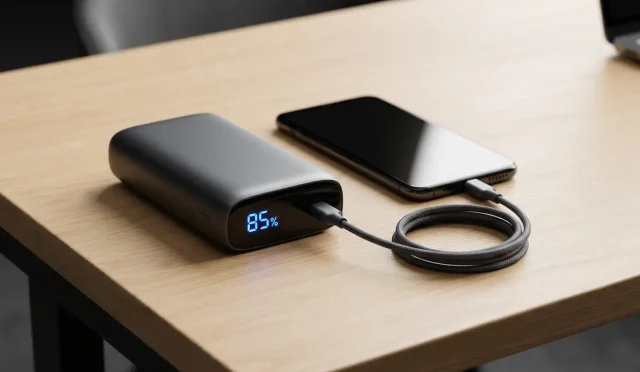
4. High-Efficiency Chargers and Cables
Not all chargers are created equal. Low-quality chargers waste energy as heat and often fail quickly, adding to electronic waste.
Eco-conscious criteria:
- High-efficiency adapters with low standby consumption
- Universal compatibility via USB-C Power Delivery (PD) to reduce the number of chargers you need
- Durable, braided cables that resist breaking, with reinforced connectors
Some brands also use recycled plastics in casing and offer packaging without unnecessary plastic.
5. Rechargeable Batteries and Smart Chargers
Disposable batteries are a significant source of hazardous waste. Rechargeable batteries are a much greener solution.
Why they matter:
- One rechargeable battery can replace hundreds of disposable ones
- Smart chargers optimize charging cycles, preserving battery health and reducing waste
For the best ecological impact:
- Choose low self-discharge NiMH batteries or lithium-based options for intensive use
- Use chargers with automatic shutoff and individual cell monitoring
How to Evaluate the Sustainability of Power Products
When you’re comparing products, the marketing claims can be confusing. Use these criteria to make truly eco-conscious choices:
- Certifications and Standards
Look for internationally recognized labels where applicable (such as Energy Star for certain categories). While not every power product has a formal eco label, safety and efficiency certifications are strong indicators of responsible design. - Brand Transparency
Eco-conscious brands often publish sustainability reports, carbon reduction goals, and detailed material breakdowns. Check their website for:- Information on manufacturing practices
- Commitments to renewable energy or carbon neutrality
- Take-back or recycling programs
- User Reviews and Real-World Performance
Long-term user reviews can reveal whether a “green” product is truly durable or just marketing hype. Pay attention to:- Reports of early battery failure
- Issues with overheating or inefficiency
- Customer service responsiveness for repairs or replacements
- Total Cost of Ownership
A sustainable power product may cost more upfront, but:- It uses less energy
- It lasts longer
- It reduces the need for replacement and disposal
From an eco-conscious perspective, the cheapest option at checkout often becomes the most expensive in environmental terms.
Practical Tips for Eco-Conscious Power Usage
Owning eco-friendly products is only half the story; how you use them is equally important:
- Charge Strategically
- Charge solar power banks and power stations when solar intensity is highest (midday).
- Avoid constant 100%–0% cycles; partial top-ups can extend battery life.
- Avoid Over-Specification
Don’t buy a massive power station if you only need to charge a phone and a tablet. Right-sizing your power capacity reduces material use and waste. - Maintain Your Equipment
- Keep solar panels clean and correctly angled toward the sun.
- Store batteries in a cool, dry place and avoid prolonged exposure to extreme temperatures.
- Recycle Responsibly
When a product reaches the end of its life, follow local e‑waste recycling guidelines. Never throw batteries into household trash.
Recommended Product (Amazon)
Jackery Solar Generator 1000 v2 with 200W Solar Panel – a reliable, fast‑charging LiFePO4 portable power station ideal for eco‑conscious off‑grid living, RV trips, and emergency backup.