
7 Best Smart Plugs for Monitoring Energy Usage and Saving Power
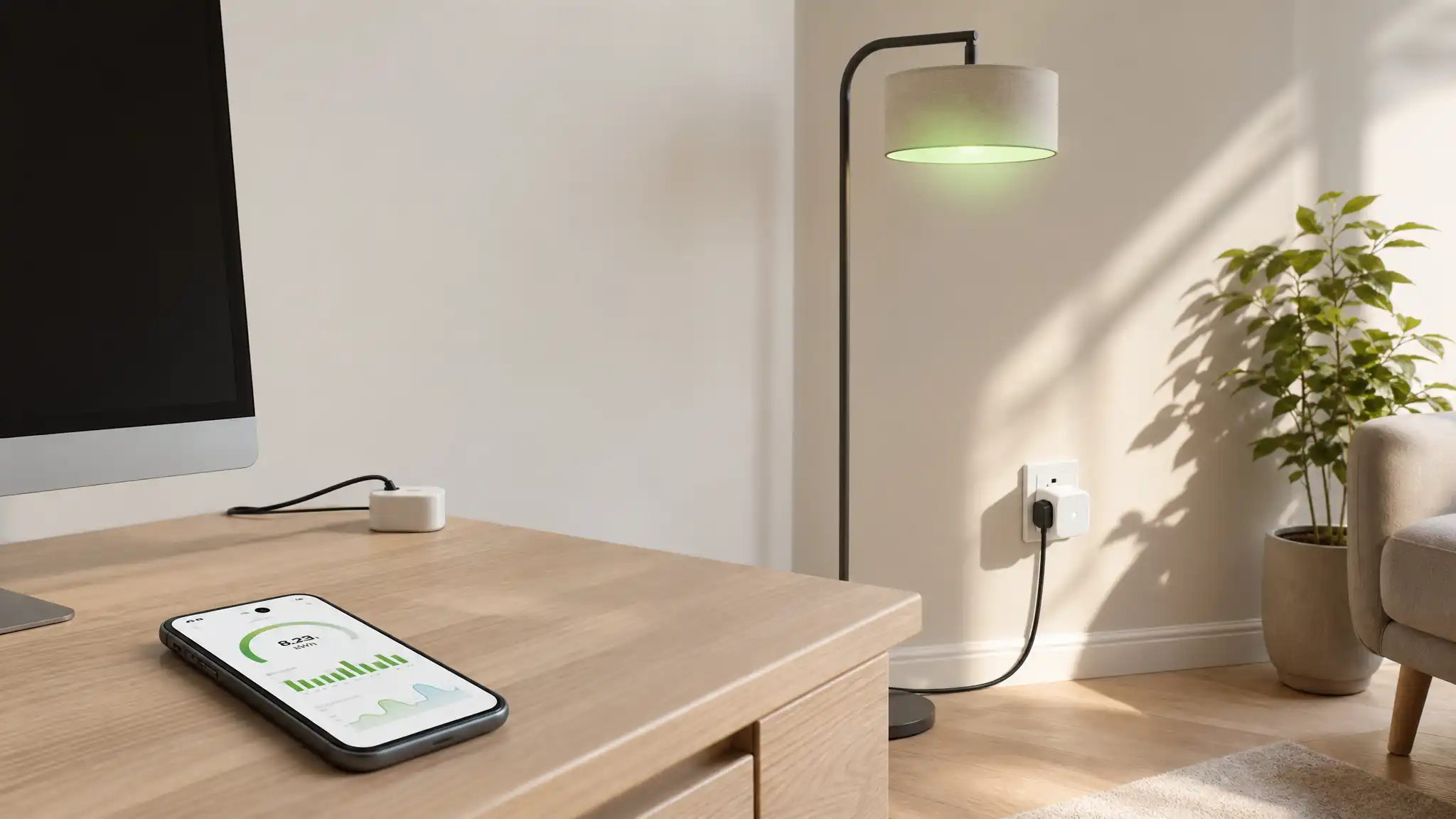
Smart plugs have moved beyond simple remote switches. The best models now turn an ordinary outlet into a practical energy-monitoring point, helping households understand what connected devices actually consume. A smart plug with energy monitoring shows when a device runs, how much power it draws, and, in many apps, what that usage may cost.
This guide highlights seven strong smart-plug options for people who want more control over household electricity. These devices provide the data and automation that make smarter decisions possible.
What to Look for Before Buying
Start with electrical compatibility. Check the plug’s maximum current, wattage rating, outlet type, and indoor or outdoor rating against the appliance you plan to control. Never use a consumer smart plug with equipment that exceeds its stated limits, and avoid using one where the manufacturer advises against external switching. A certified smart outlet with overload protection and a fire-resistant housing adds peace of mind.
Next, review the monitoring experience. A helpful home energy monitor displays real-time power, accumulated kilowatt-hour data, and history by day or month. Electricity cost tracking is especially useful when you enter your electricity rate, but remember that the result is an estimate. Reliable Wi-Fi connectivity, a simple mobile app, and straightforward scheduling also make the product more valuable.
1. TP-Link Tapo P115
The Tapo P115 is a compact Wi-Fi smart plug designed for energy monitoring, timers, remote control, and common voice-assistant ecosystems. Its 15A/1800W maximum rating makes it a practical choice for many compatible household devices. It suits buyers who want a familiar app-based experience and several plugs for lamps, fans, or entertainment equipment. Use its schedule feature to stop unnecessary runtime instead of relying on memory.
2. TP-Link Tapo P110M
For homes building around Matter, the Tapo P110M adds Matter compatibility alongside energy monitoring. That makes it a compelling Matter smart plug when you use more than one smart-home platform and want broader interoperability. It also supports a 15A rating and works on 2.4 GHz Wi-Fi. The compact format can help preserve access to the neighboring socket, which matters on crowded wall outlets.
3. Kasa KP115
The Kasa KP115 combines electricity usage monitoring with remote on/off control, schedules, and Alexa and Google Home support. It is a sensible entry point for users who want to identify standby power without installing a whole-home system. Plug in a television setup, printer, coffee maker, or dehumidifier that is compatible with the device rating, review its consumption, and decide whether an automatic shutoff schedule makes sense.
4. Kasa KP125M
The Kasa KP125M targets households that want Matter support, energy data, and broad assistant compatibility in one small plug. Its 15A/1800W rating and compact design make it suitable for many everyday loads within the manufacturer’s limits. This model is worth considering if you expect your smart home automation setup to evolve. A Matter-ready plug can reduce friction when you connect devices across supported ecosystems.
5. Govee Smart Plug with Energy Monitoring
Govee’s energy-monitoring smart plug combines Wi-Fi and Bluetooth connectivity with app control, timers, group control, and voice-assistant support. It is particularly useful when you want to manage several low-to-medium household loads from one dashboard. Group similar devices, such as desk accessories or holiday lighting, and give each group an intentional operating window. This simple approach can curb unnecessary electricity consumption without changing your routine dramatically.
6. Emporia Energy Monitoring Smart Plug
Emporia offers a 15A Wi-Fi outlet with energy monitoring, scheduling, a mobile app, and Alexa and Google Home compatibility. It can be attractive for people who want device-level consumption data as part of a wider electricity-monitoring habit. Place one where you suspect wasted energy: a home-office station, an older refrigerator used in a garage, or a frequently forgotten appliance. The figures can reveal whether behavior changes will have meaningful impact.
7. SONOFF S31 Wi-Fi Smart Plug
The SONOFF S31 provides energy monitoring, a 15A rating, timer functions, and support for Alexa, Google Home, and IFTTT. It gives value-focused shoppers another way to test energy-saving automation. Set a timer for a compatible device that does not need to run overnight, then compare its energy usage before and after the change. Small experiments make the data useful instead of merely interesting.
How Smart Plugs Help You Save Power
A smart plug does not lower consumption by itself; it helps you control the source of consumption. Start by monitoring one appliance for a week. Look for high draw during idle periods, long operating windows, or routines that continue after everyone leaves. Then create a schedule or timer that matches real use. Remote outlet control also lets you switch off an eligible device when you are away, while voice control can make the action easier to remember.
Prioritize devices with predictable schedules. Lamps, fans, chargers, decorative lighting, coffee makers, and some media accessories often respond well to automation. Avoid treating every device as a candidate. Refrigerators, medical devices, safety equipment, and appliances with special shutdown requirements need manufacturer-guided handling. Smart-home convenience should never override electrical safety.
Make Monitoring Part of a Routine
Check your energy dashboard monthly rather than obsessing over it every hour. Compare usage after you change a schedule, replace an aging device, or alter a household habit. If the app supports cost tracking, update the electricity rate when it changes. This turns raw kilowatt-hour readings into a more useful household-energy view.
The best smart plug is ultimately the one that fits your ecosystem, stays within the right electrical rating, and makes its data easy to act upon. Choose a certified model, install it carefully, and use its energy-monitoring reports to make gradual, repeatable improvements.
Amazon Product Recommendation
For a straightforward single-plug option, consider the Kasa Smart Plug Mini KP115. Its Amazon listing states that it includes energy monitoring, works with Alexa and Google Home, supports 2.4 GHz Wi-Fi, and requires no hub. Verify appliance compatibility, current availability, pricing, and shipping details on the listing before purchasing.