
Best Drones for Washington Pine Forest Photography
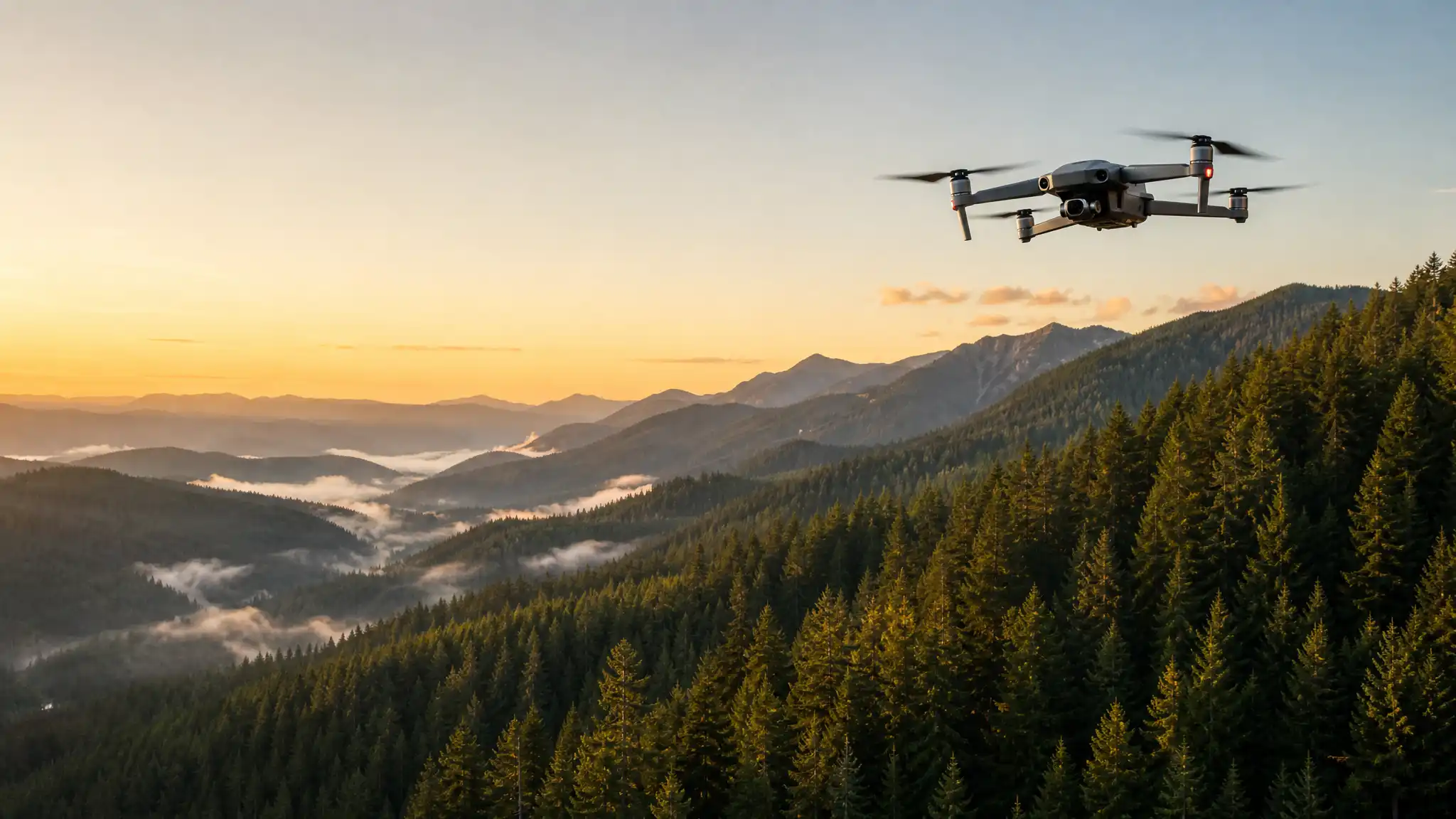
Washington’s evergreen landscapes offer a dramatic setting for aerial photography. Towering pines, mountain ridges, misty valleys, winding roads, and reflective lakes can create striking images from above. However, photographing these environments requires more than simply launching a drone. Forest conditions often include uneven terrain, shifting wind, low light beneath tree cover, and obstacles that demand careful control.
Choosing the best drones for Washington pine forest photography means balancing camera quality, flight stability, portability, obstacle sensing, and battery performance. Whether you create professional content, build a travel photography portfolio, or capture personal outdoor adventures, the right camera drone can help you turn a dense forest scene into a compelling visual story.
Why Washington Pine Forests Challenge Drone Pilots
Pine forests create beautiful patterns, but they also create complex flying conditions. Trees can rise unexpectedly above ridgelines, branches can interfere with GPS signals, and wind can intensify near exposed slopes. In addition, Washington weather can shift quickly. Morning fog may add atmosphere, while rain, wind, or cloud cover can reduce visibility within minutes.
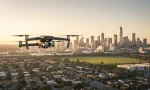
For this reason, a drone for forest photography should provide stable hovering, strong transmission, and reliable positioning. A three-axis gimbal also matters because it keeps footage smooth while the aircraft responds to wind. Without effective stabilization, images can lose sharpness and videos may appear shaky.
You should also prioritize a drone with a capable sensor. Dense forest scenes often include bright sky, dark canopy shadows, and reflective water in a single frame. A camera with good dynamic range helps preserve detail across these contrasting areas.
The Most Important Features to Look For
A strong aerial photography drone needs more than a high-resolution camera. Before choosing a model, consider the features that directly affect your results in Washington’s wooded landscapes.
First, look for a 4K camera drone with a stabilized gimbal. High-resolution capture gives you more flexibility when cropping landscape photos or editing cinematic clips. A larger image sensor can also improve detail in shadowy areas, especially during sunrise, sunset, or cloudy weather.
Second, evaluate wind resistance. Forest clearings and mountain viewpoints can expose your drone to gusts, even if conditions felt calm at the trailhead. A drone that remains stable in moderate wind will produce cleaner photographs and reduce the risk of a difficult return flight.
Third, consider obstacle sensing. Pine trees, bare branches, and narrow forest corridors can create hazards that are difficult to judge through a live screen. An obstacle avoidance drone can provide an extra layer of awareness, although it does not replace pilot judgment. You should always keep a safe distance from trees and avoid relying entirely on automated systems.
Finally, battery life has a major impact on outdoor shooting. A long flight time drone lets you take test shots, refine your composition, and wait for better light without rushing. Carrying multiple batteries becomes especially useful when hiking to a remote viewpoint.
Best Overall Choice: DJI Mini 4K Fly More Combo
For many photographers, the DJI Mini 4K Fly More Combo offers an excellent balance of portability, image quality, and practical flight features. This lightweight camera drone includes a 4K UHD camera, a three-axis gimbal, automatic return capability, and multiple batteries in the Fly More package.
Its compact size makes it a strong option for hikers who want to carry a drone alongside lenses, water, outdoor clothing, and safety equipment. It also supports a portable drone for hiking workflow because it takes up far less room than a larger professional aircraft.
The DJI Mini 4K can help photographers capture overhead pine patterns, leading lines on forest roads, and wide mountain-to-forest transitions. Its stabilized camera supports smoother shots while the compact body makes it easier to transport to trailheads and viewpoints.
However, lightweight drones can still be affected by strong wind. Pilots should check local conditions, monitor battery levels closely, and avoid launching in unsafe weather. A smaller drone works best when you plan shots carefully rather than treating every trip as an extreme flight mission.
Best Premium Option: DJI Mini 5 Pro
Photographers who want more advanced imaging features may prefer the DJI Mini 5 Pro. This model targets users who need stronger detail, refined tracking tools, and more advanced obstacle sensing for demanding outdoor work.
A premium landscape photography drone can make a clear difference when you shoot scenes with intense contrast. For example, a bright snowy mountain, deep green forest, and shaded river may all appear in the same composition. A larger sensor and improved dynamic range can help you preserve more information before editing.
The Mini 5 Pro also suits creators who produce professional travel content, outdoor tourism media, or high-quality commercial footage. It gives you greater creative control when you photograph forest textures, low-angle light, and distant ridges. Still, advanced equipment should not encourage risky flights. The safest image is always better than the most ambitious image.
Best Budget-Friendly Option: DJI Mini 3
The DJI Mini 3 remains a practical choice for photographers who want quality aerial images without moving into a higher-priced professional category. Its compact format, stabilized camera, and strong battery performance make it suitable for many woodland photography situations.
This model works especially well for beginners who want to learn drone landscape photography techniques. You can practice basic movements such as slow rises, controlled pans, straight-line reveals, and top-down compositions. These simple moves often look more professional than fast or complex maneuvers.
Use the Mini 3 to photograph repeating tree patterns, curves in rivers, isolated cabins, and seasonal color changes. In Washington, a pine forest can look completely different in summer haze, autumn rain, winter frost, or early-morning fog. Returning to the same location across seasons can produce a valuable series of original images.
Best FPV-Style Creative Option: DJI Avata 2
If you want more immersive motion and cinematic movement, the DJI Avata 2 can offer a different visual approach. Traditional camera drones excel at steady landscapes, while an FPV-oriented model can create dynamic passes through open clearings, along forest edges, or above winding trails.
This style requires more preparation and flight discipline. Forest environments do not leave much room for error, so you should only attempt fast or low flights in open areas where you can maintain a clear view and safe separation from obstacles. Never fly through dense trees simply to create a dramatic shot.
For carefully planned sequences, an FPV drone can add energy to an outdoor film. Combine slower aerial establishing shots with one controlled moving clip to create a stronger story. This approach works well for adventure videos, camping content, trail features, and travel documentaries.
Photography Tips for Forest Aerial Images
Start every session with a plan. Study the area from a map, identify open launch zones, and decide what image you want before takeoff. Searching for a subject after launching wastes battery power and often leads to rushed decisions.
Golden hour remains one of the best times for Washington landscape photography. Low sunlight creates long shadows that reveal the texture of the canopy. Morning fog can separate layers of forest and add depth to an image. Overcast conditions can also work well because clouds soften bright highlights and reduce harsh contrast.
Try several compositions. Shoot directly down for abstract patterns, move backward to reveal a forested valley, or frame a lake between tree lines. Use the rule of thirds, but do not force it. Natural leading lines, such as trails, rivers, ridges, and clearings, can guide viewers through the frame.
Shoot in RAW when your drone supports it. RAW files provide more editing flexibility for adjusting shadows, highlights, white balance, and color. This is valuable when green needles, grey clouds, blue water, and dark soil appear together in one photograph.
Fly Responsibly and Protect the Landscape
Good forest photography begins with respect for the environment. Avoid disturbing wildlife, keep noise and activity to a minimum, and do not launch from areas where drone use is restricted. Check applicable rules, temporary restrictions, and land-management requirements before every flight.
Maintain visual awareness, keep your drone away from people and wildlife, and leave enough battery reserve for a calm return. Do not fly when wind, rain, smoke, or fog makes control uncertain. Responsible operation protects both your equipment and the outdoor spaces that make Washington photography so rewarding.
Final Thoughts
The best drone for Washington pine forest photography depends on your experience, budget, and creative goals. The DJI Mini 4K Fly More Combo offers an accessible and portable starting point. The DJI Mini 3 provides a balanced option for creators who want dependable aerial images, while the DJI Mini 5 Pro supports photographers who need advanced camera performance. The DJI Avata 2 offers an expressive option for carefully controlled cinematic motion.
Focus on stable flight, thoughtful composition, safe planning, and authentic natural light. When you combine these elements, Washington’s pine forests can become powerful aerial photographs rather than just scenic drone footage.
Amazon.com Product Recommendation
DJI Mini 5 Pro Fly More Combo — A lightweight 4K drone with a three-axis gimbal and three batteries, making it a practical choice for extended hiking and forest photography sessions.