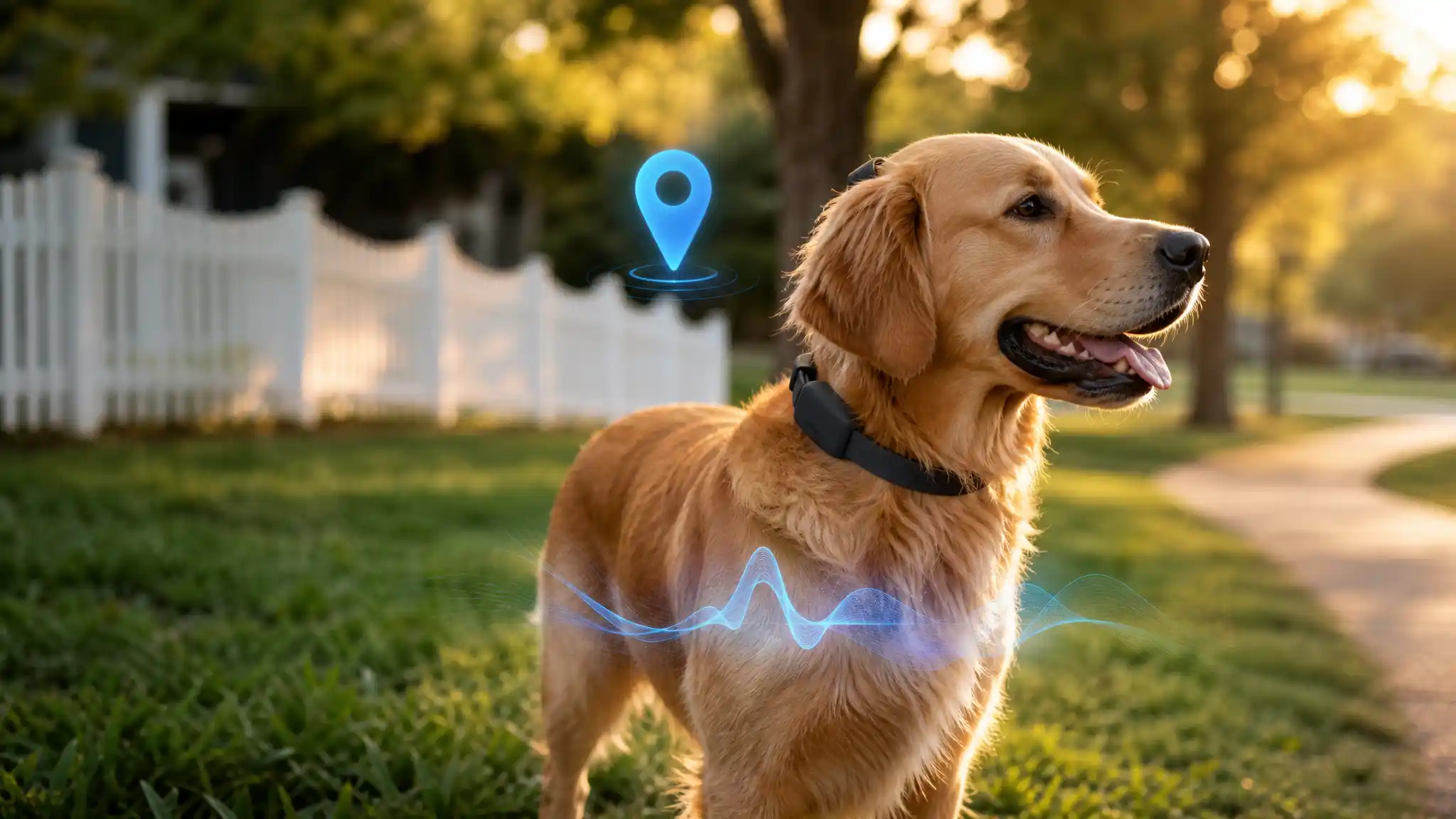

Smart Collars: Why AI Health and GPS Tracking for Dogs Is Exploding
Dogs are family, and pet owners increasingly want better ways to protect them, understand their routines, and notice health changes early. This demand has helped smart collars for dogs become one of the fastest-growing categories in pet technology. Unlike a traditional collar, an AI-powered dog collar can connect location data, activity patterns, and wellness signals in one mobile app.
A modern GPS dog tracker does more than show a dot on a map. It can alert an owner when a dog leaves a designated safe area, record walking habits, and reveal changes in sleep, movement, or behavior. At the same time, AI health features can turn daily data into practical insights. This combination gives owners a more complete view of their dog’s lifestyle while supporting safer, more proactive care.
GPS Tracking Gives Dog Owners More Peace of Mind
The most obvious reason people buy a smart collar is location security. Dogs can slip through an open gate, chase wildlife, or become frightened during a walk. A real-time dog location tracker helps owners respond quickly when that happens.
Many GPS-enabled collars use cellular connectivity and a companion app to display a dog’s current or recent location. Some models also offer escape alerts and a virtual fence for dogs. Owners can create digital safe zones around their home, garden, or another familiar place. If the dog crosses that boundary, the app sends a notification.
This feature matters because speed is important when a pet goes missing. Instead of searching without direction, an owner can check the dog tracking app, review movement history, and follow the available location updates. GPS technology cannot eliminate every risk, but it can make a stressful situation more manageable.
A reliable pet GPS tracker is especially useful for energetic dogs, dogs with a tendency to wander, and families who spend time hiking, camping, or traveling. It can also give dog walkers and pet sitters another layer of confidence during outdoor activities.
AI Health Monitoring Changes the Role of the Dog Collar
Location tracking is only one side of the smart collar trend. Health monitoring is what makes these devices increasingly interesting to pet owners. An AI dog health monitor can collect information about movement, rest, activity intensity, and, depending on the device, selected wellness indicators.
Artificial intelligence looks for patterns rather than relying on a single number. For example, a dog may usually take long walks, sleep consistently, and show high activity during the afternoon. If that pattern changes over several days, the system may flag the difference. This does not mean the collar can diagnose a medical condition. However, it can encourage the owner to pay attention and discuss concerns with a veterinarian.
A dog activity monitor can also help owners understand whether their pets receive enough exercise. Every breed, age group, and individual dog has different needs. A young working breed may need more active time than an older companion dog. By tracking routine movement, owners can adjust walks, play sessions, and enrichment activities more thoughtfully.
This data can be valuable for senior dogs, dogs recovering from a procedure, or pets with ongoing wellness plans. Instead of relying only on memory, owners can review trends and share relevant observations during a veterinary appointment.
Behavior Insights Help Owners Understand Their Dogs Better
Dogs communicate through behavior, body language, and routines. A smart collar cannot replace human observation, but it can provide additional context. Many dog behavior tracking tools monitor activity levels, rest periods, walking patterns, and possible changes in daily habits.
For instance, a dog that becomes unusually inactive may simply be tired after a busy weekend. However, if low activity continues and appears alongside disrupted sleep or changes in normal movement, the owner has a reason to look closer. In the same way, unusually restless behavior may prompt an owner to consider environmental stress, boredom, discomfort, or a need for more structured exercise.
AI systems can organize this information into simple reports and alerts. This makes the technology accessible for people who do not want to interpret raw data all day. The best platforms present clear, useful summaries rather than overwhelming users with numbers.
A dog wellness tracker can also help owners build better daily habits. They may notice that their dog settles more easily after an evening walk or becomes restless when routine changes. Over time, those small insights can improve a dog’s comfort and quality of life.
Smart Collars Support Preventive Pet Care
Preventive care often starts with recognizing what is normal. Every dog has a baseline: typical sleep, usual walking pace, normal appetite, favorite play times, and familiar behavior. Smart collars make it easier to document some of those patterns.
This is why pet health technology is gaining attention. Owners want to move beyond reacting only when a dog looks visibly unwell. They want to recognize subtle lifestyle changes before they become easy to ignore. A wearable technology for pets device can support that goal by collecting ongoing information in the background.
Still, owners should use the technology responsibly. No smart collar should replace regular veterinary care, physical examinations, vaccinations, nutrition guidance, or professional advice. AI alerts are best treated as signals to observe the dog more carefully, not as a final diagnosis.
The most helpful approach is simple: use the data to ask better questions. Has the dog’s routine changed? Is the collar fitting properly? Has exercise increased or decreased? Should the owner contact a veterinarian? Technology becomes valuable when it supports informed action.
What to Consider Before Buying a Smart Dog Collar
Not every smart collar fits every dog or household. Buyers should first consider size, comfort, durability, and battery life. A heavy device may not suit a small dog, while an active large breed may need a stronger, waterproof design.
It is also important to review the coverage area. A GPS tracker for pets may depend on cellular service, Wi-Fi, Bluetooth, or a mix of technologies. Owners should check whether the device works reliably in the places where they walk, travel, or live.
Subscription costs deserve attention as well. Some collars require a recurring plan to access live tracking, historical routes, health reports, or premium alerts. Before purchasing, compare the total cost over time instead of focusing only on the initial device price.
Privacy also matters. Choose brands that clearly explain how they store, protect, and share location and health-related data. A secure dog tracking app should give the owner control over account access and device sharing.
The Future of Connected Dog Care
The rise of smart collars reflects a broader shift in how people care for pets. Owners want practical tools that make everyday care easier, not technology for its own sake. GPS safety, activity reporting, health trends, and behavior insights all solve real concerns.
As AI systems improve, smart collars may offer more personalized recommendations based on breed, age, activity level, and long-term behavior. The most successful devices will remain simple, comfortable, and genuinely useful. They will help owners spend less time worrying and more time enjoying life with their dogs.
Amazon Product Recommendation
For owners seeking both location and wellness features, consider the Fi New Series 3+ Smart Dog Tracker Collar on Amazon. Its Amazon listing highlights GPS tracking, health and behavior monitoring, escape alerts, waterproof construction, and app connectivity. Review collar sizing, location coverage, and membership terms before purchasing.