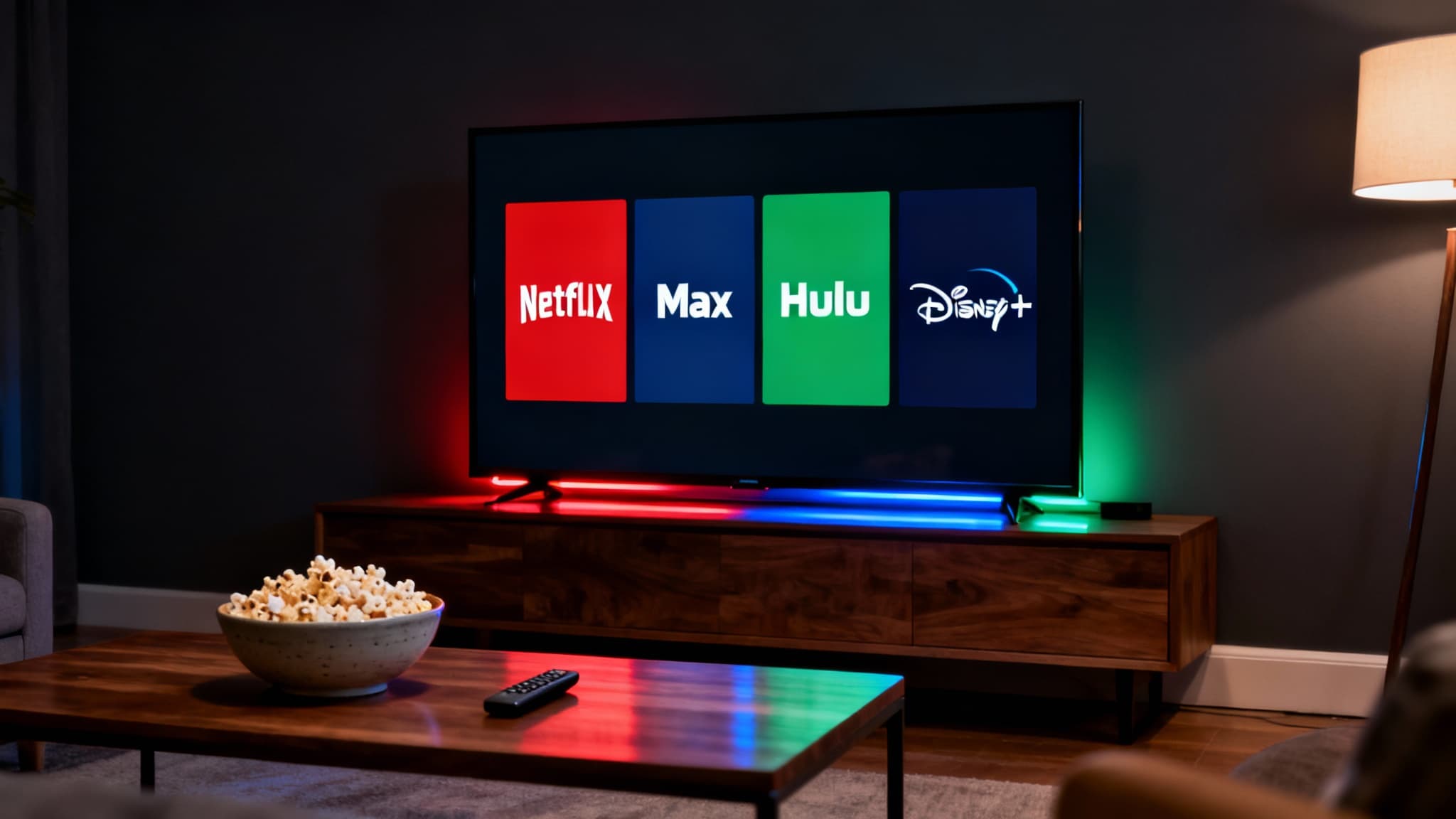

In today’s digital entertainment world, streaming services have become as essential as traditional TV once was. With a huge rise in cord-cutting and on-demand viewing, platforms like Netflix vs Max vs Hulu vs Disney+ dominate the U.S. streaming space. Each has unique strengths, different pricing structures, exclusive libraries, and target audiences. For users deciding which service deserves their subscription dollars, a direct comparison is vital.
This article provides a comprehensive breakdown of what each platform offers — ranging from content libraries and pricing to original series and usability — so you can make the best choice for your entertainment needs.
Netflix: The Global Streaming Powerhouse
Netflix, the pioneer of modern streaming, remains the industry leader in terms of global recognition. With over 250 million subscribers worldwide, it has evolved from a DVD rental service into one of the most influential media companies.
- Content Library – Netflix has one of the broadest content catalogs. From mainstream films to niche documentaries, anime, and award-winning original shows like Stranger Things and The Crown, it offers variety for every taste.
- Original Production – Netflix invests heavily in originals, often releasing more content annually than competitors combined. It plays a major role in award seasons with productions consistently winning Oscars and Emmys.
- Pricing – U.S. plans start at around $6.99 with ads, with the ad-free experience available at higher tiers. Family plans allow multiple streams and HD/4K quality.
- User Experience – The algorithm-driven recommendation system is one of Netflix’s biggest assets, personalizing the homepage for each user.
For households seeking content breadth and constant releases, Netflix remains a must-have service.
Max: The Prestige and Blockbuster Hub
Max, previously known as HBO Max, combines HBO’s legacy of prestige television with Warner Bros.’ blockbuster films and additional networks like Discovery.
- Content Library – Max excels in premium programming, offering Emmy-winning series like Succession, Euphoria, and Game of Thrones, along with film franchises including Harry Potter, The Batman, and Dune.
- Exclusive Strength – One of Max’s unique selling points is simultaneous or near-simultaneous release of Warner Bros. movies shortly after theatrical runs, something no other competitor matches consistently.
- Pricing – Starting at around $9.99 with ads, the ad-free version pushes higher to offer an uninterrupted premium feel.
- User Experience – The platform has improved significantly from its early technical glitches, and navigation is smoother compared to 2020’s launch days.
Max targets viewers who value high-quality, prestige storytelling backed by recognizable franchises.
Hulu: The Flexible and TV-Friendly Option
Hulu, majority-owned by Disney but operating as its own brand, has carved out a unique niche in the U.S. streaming scene.
- Content Library – Hulu blends next-day access to popular network TV shows (from ABC, FOX, etc.) with licensed movies and originals. Popular series like The Handmaid’s Tale and Only Murders in the Building give Hulu serious streaming credibility.
- Live TV Option – Unlike Netflix or Disney+, Hulu offers a Hulu + Live TV plan that includes over 75 live channels, including news and sports. This hybrid setup appeals to users who want traditional cable experiences with streaming flexibility.
- Pricing – On-demand plans start low ($7.99 with ads), making Hulu one of the most affordable entry points. Live TV packages are significantly more expensive, but they effectively replace cable.
- User Experience – The platform has occasional criticism regarding ads (even in premium tiers), but customization and bundling options keep it relevant.
Hulu is often considered the best fit for those who want both traditional TV and streaming originality.
Disney+: Family-Friendly and Franchise-Driven
Launched in late 2019, Disney+ quickly became a major player thanks to Disney’s unmatched intellectual property. It’s the go-to platform for families and franchise lovers.
- Content Library – Disney+ is home to Marvel Studios, Star Wars, Pixar, National Geographic, and classic Disney animated titles. No other service offers a more cohesive family-friendly library.
- Original Series – The platform invests in blockbuster episodic content, with Marvel shows like WandaVision and Loki as well as Star Wars universes like The Mandalorian.
- Pricing – Starting at $7.99, it is positioned affordably, with ad-free versions available at slightly higher costs. Disney also offers bundle packages with Hulu and ESPN+, making it attractive for families looking for an all-in-one solution.
- User Experience – Designed around franchises, the platform’s interface makes it easy to navigate by brand. Profiles tailored for kids include stricter parental controls than competitors.
Disney+ is best for families and fans of superhero, animation, and sci-fi franchises.
Head-to-Head Comparison
| Feature | Netflix | Max | Hulu | Disney+ |
|---|---|---|---|---|
| Strength | Massive library + global reach | Prestige TV + Warner Bros. film | Next-day TV + Live TV option | Family library + franchises |
| Weakness | Rising prices, content churn | Smaller overall library | Ads, interface issues | Limited to Disney-owned IP |
| Best For | Diverse viewing needs | Prestige & movie franchises | TV lovers + cord-cutters | Families & franchise fans |
| Starting Price | $6.99 | $9.99 | $7.99 | $7.99 |
Prices may vary.
Which Service Should You Choose?
The decision boils down to personal preference and household needs:
- Pick Netflix if you want variety and frequent new releases.
- Choose Max if you value prestige drama and blockbuster franchises.
- Opt for Hulu if you want next-day TV and live streaming flexibility.
- Go with Disney+ if your home revolves around Marvel, Star Wars, and family content.
Many U.S. subscribers also bundle services — for example, the Disney Bundle (Disney+, Hulu, ESPN+), or pairing Netflix with Max to cover different viewing niches.
Final Thoughts
The streaming wars are no longer just a competition of price and content. They’re about ecosystem lock-in, exclusive deals, and personalization. Netflix might hold the global lead, Max thrives with prestige storytelling, Hulu keeps broadcast TV relevant in the streaming era, and Disney+ dominates in family entertainment.
For American viewers with endless options, choosing the right platform often comes down not to which one but how many.