
IMEI Cloning Risks and Control Steps: A Comprehensive Guide
In today’s mobile-first world, your smartphone’s IMEI (International Mobile Equipment Identity) is as critical as a digital fingerprint. It uniquely identifies your device on cellular networks, enabling essential functions like network access, theft blocking, and carrier provisioning. However, cybercriminals exploit IMEI cloning—duplicating a legitimate IMEI onto another device—to bypass blocks, commit fraud, and hide illicit activity. This comprehensive guide explains IMEI cloning risks, red flags, practical control steps, and best practices to keep your device and data secure. It’s written for everyday users, IT admins, and small businesses who need clear, actionable advice.
What Is IMEI Cloning?
IMEI cloning is the unauthorized copying of a genuine device’s IMEI number and writing it to a different handset. In IMEI cloning attacks, criminals harvest a legitimate IMEI via device labels, screenshots, phishing scams, or compromised repair shops and write it to another handset, enabling mobile network fraud and bypassing basic IMEI verification.
Once cloned:
- The fraudulent device can access mobile networks as if it were legitimate.
- Carriers, law enforcement, and victims face attribution confusion.
Why IMEI Cloning Is Dangerous
- Identity collision: Two or more devices can appear as the same phone on the network. This complicates fraud detection and can get the legitimate user penalized.
- Billing and liability: Fraudsters can place calls or use data that may be billed to the victim, or trigger suspicious-activity flags.
- If one device using the IMEI is flagged, other devices sharing that IMEI can be blocked—even the real owner’s device.
- Legal exposure: In some jurisdictions, possession of a device with an altered IMEI is illegal, even if you didn’t knowingly participate.
- Privacy risk: Cloned devices are often associated with broader criminal activity, potentially linking a victim’s identity to acts they didn’t commit.
How IMEI Cloning Happens
- Physical access: A thief obtains the device or packaging (where IMEI is printed) and copies the number.
- Social engineering: Attackers trick users into sharing IMEI through fake support, giveaway scams, or “warranty verification” forms.
- Untrusted repair shops: Rogue technicians can copy and flash IMEIs while performing other work.
- Malware and tools: Specialized software and hardware can read/write baseband identifiers on certain handsets.
Key Warning Signs Your IMEI Might Be Cloned
- Sudden service issues: Random network drops, inability to register on the network, or unexpected roaming alerts.
- Billing anomalies: Unknown calls, SMS, or data spikes on your statement.
- Carrier notifications: Messages about device blocks, suspicious usage, or policy violations you didn’t commit.
- Location mismatches: Account activity logs or carrier records showing simultaneous activity in distant locations.
Immediate Actions if You Suspect IMEI Cloning
- Verify your IMEI:
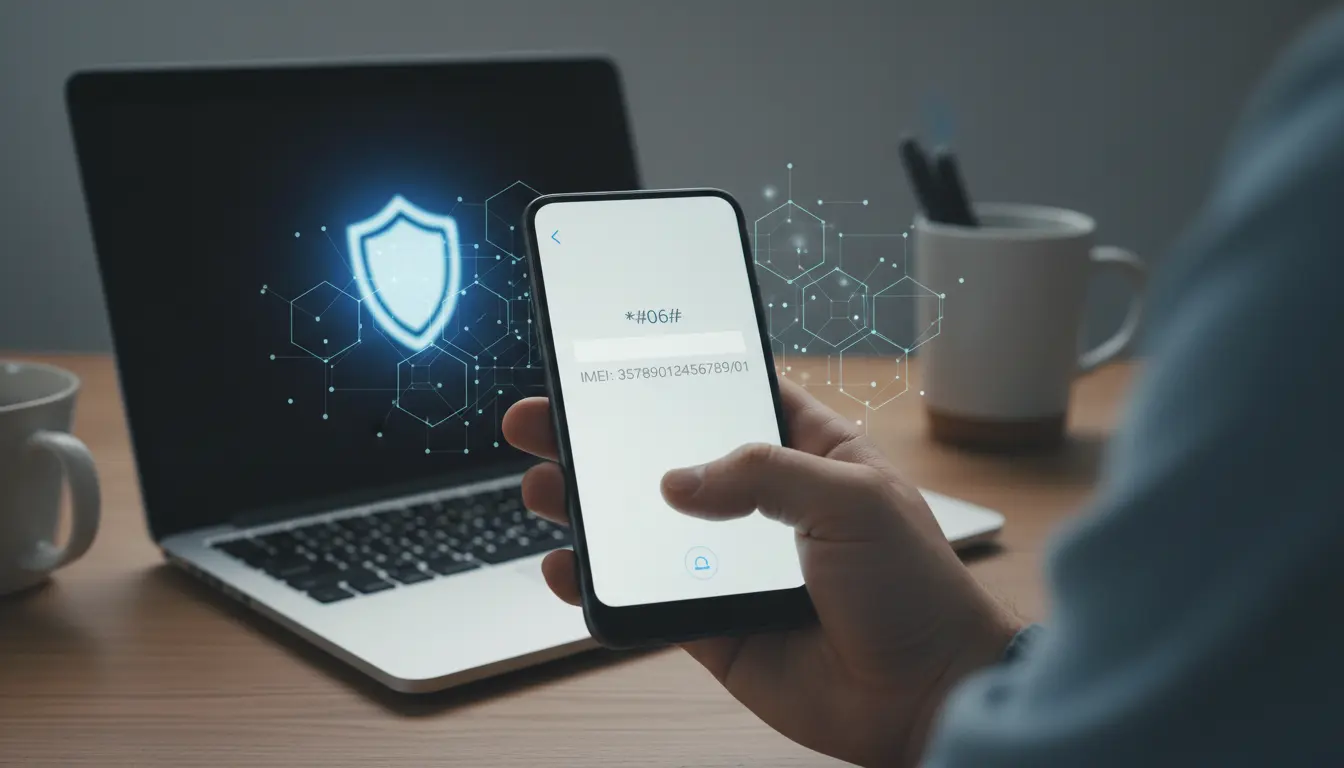
- Dial
*#06#or check Settings > About Phone > Status. - Confirm it matches the IMEI on your original box or purchase receipt.
- Dial
- Contact your carrier:
- Report suspected cloning, request an investigation, and ask to monitor for parallel device usage.
- Provide timestamps of anomalies and any suspicious messages.
- File a report:
- If there’s evidence of fraud, file a police report. Keep case numbers and correspondence for carrier disputes.
- Audit your accounts:
- Review recent calls, SMS logs, and data usage. Screenshot or export records.
- Change passwords for your carrier account and email associated with your phone.
- Update and secure the device:
- Install the latest OS and baseband updates.
- Run a reputable mobile security app to scan for malware.
- Consider SIM replacement:
- Preserve evidence:
Preventive Measures and Control Steps
- Minimize IMEI exposure:
- Never share your IMEI publicly or in screenshots on forums/social media.
- Avoid sending IMEI via unencrypted channels or to unknown “support” contacts.
- Buy from trusted sources:
- Purchase devices from authorized retailers or carriers.
- Avoid gray-market or “refurbished” phones without verifiable provenance.
- Check before you buy:
- Ensure IMEI on device settings matches the physical label and packaging.
- Use reputable repair centers:
- Choose authorized service providers with clear accountability and data-protection practices.
- Keep software updated:
- System and baseband updates often patch vulnerabilities that enable low-level tampering.
- Harden your accounts:
- Enable strong, unique passwords and multi-factor authentication on carrier and device accounts.
- Monitor usage:
- Set up carrier alerts for data or call thresholds.
- Periodically review itemized usage for anomalies.
- Physical security:
- Use screen locks, Find My Device/Find My iPhone, and remote wipe capabilities.
- Don’t leave boxes or labels with visible IMEIs in public trash; shred or obscure them.
For Businesses and IT Administrators
- Implement an MDM/UEM:
- Enforce device compliance, encryption, and OS/baseband update policies.
- Monitor device identities and flag inconsistencies between reported IMEI and inventory records.
- Asset inventories:
- Maintain accurate device-IMEI mappings and lifecycle histories.
- Carrier partnerships:
- Set up fraud-alert channels and bulk IMEI verification processes.
- Employee training:
- Educate staff on phishing, verification procedures, and proper handling of device identifiers.
- Incident response:
- Create a runbook for suspected IMEI cloning: detection, containment, carrier escalation, legal follow-up.
Legal and Ethical Considerations
Many countries criminalize altering or possessing devices with modified IMEIs. Even unintentionally carrying a cloned-IMEI phone can create legal complications. Always work through your carrier and lawful channels when resolving disputes. Never attempt to rewrite or “fix” IMEIs yourself; doing so may violate local laws and carrier terms of service.
How Carriers Typically Respond
- Network analytics: Carriers use signaling data to spot duplicate IMEIs appearing in multiple locations.
- Conditional blocks: They may block the suspicious device instance while preserving service for the verified original.
- Re-provisioning: Reassigning services, swapping SIMs, or applying account-level protections.
FAQs
- Can IMEI cloning be fully prevented? It’s hard to eliminate entirely, but you can significantly reduce risk with careful handling, trusted vendors, and vigilant monitoring.
- Will factory reset fix cloning? No. Cloning happens at the radio/baseband identity level; a reset won’t change that. Work with your carrier.
- Is sharing IMEI with a legitimate seller safe? Only when necessary and through secure, verifiable channels. Prefer in-person checks where the buyer can inspect the device directly.
Bottom Line
IMEI cloning undermines trust in mobile ecosystems, but users and organizations can manage the risk. Guard your IMEI like a password, verify device identities, keep software updated, work with reputable service providers, and collaborate with your carrier at the first sign of anomalies. A proactive approach can preserve network access, protect privacy, and minimize financial and legal exposure.