
Best Power Products 2025: Top Power Solutions for US and Global Users
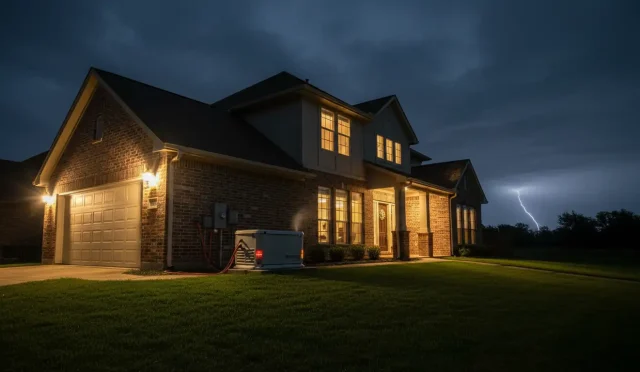
As we move deeper into 2025, reliable power has become one of the most important needs for both homes and businesses. Extreme weather events, remote work, electric vehicles, smart homes, and growing energy costs are all pushing users to look for smarter, safer, and more efficient power products. Whether you live in the US with frequent grid outages or in a region with unstable electricity supply, choosing the right power solution in 2025 can protect your devices, keep you connected, and even lower your energy bills.
This guide explains the best power products in 2025 for US and global users, covering portable power stations, battery backup systems, solar generators, surge protectors, inverters, and more. You will learn what to look for, which solutions fit your lifestyle, and how to build a power setup that is both reliable and future‑proof.
Why Power Products Matter More Than Ever in 2025
Power quality is no longer just a technical issue; it directly affects productivity, comfort, and safety.



- Remote work and online business rely on uninterrupted Wi‑Fi, computers, and communication tools.
- Smart homes use connected devices, security cameras, and automation systems that must stay online.
- Climate change is driving more storms, heatwaves, and grid failures, especially in certain US states.
- Rising energy prices make efficient and renewable solutions, such as solar generators, more attractive.
For global users, power products are often not just a backup but a primary source of electricity in areas with weak or unreliable grids. In 2025, the best power solutions combine high capacity, portability, energy efficiency, and smart monitoring via apps or cloud services.
Key Types of Power Products in 2025
1. Portable Power Stations
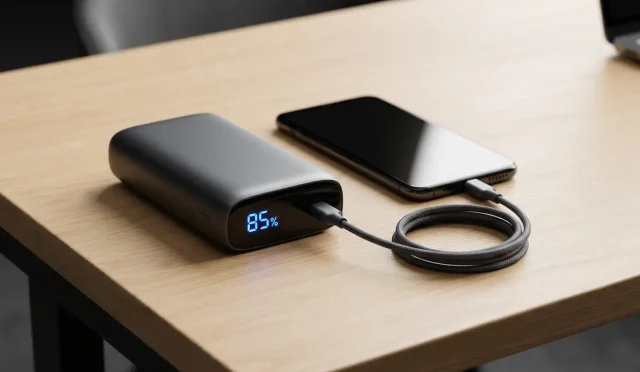
Portable power stations are at the center of many modern power setups. These are compact battery systems that:
- Store energy from the grid, solar panels, or car chargers
- Provide AC outlets, USB ports, USB‑C PD, and DC ports
- Power laptops, phones, small appliances, and sometimes even power tools or medical devices
In 2025, the best portable power stations offer:
- High energy density (more capacity in a smaller size)
- Fast charging (0–80% in about an hour or less)
- LiFePO4 batteries for longer life cycles and improved safety
- Smart app control with real‑time usage and remaining runtime
For US users, look for models with pure sine wave inverters and UL or ETL certifications to ensure safety and compatibility with sensitive electronics.
2. Home Battery Backup Systems
Home battery backup systems are becoming more accessible beyond large, whole‑home installations. Many users now choose modular batteries to:
- Keep essential circuits running during outages (fridge, router, lights, medical devices)
- Store cheap electricity from off‑peak times and use it when rates are higher
- Integrate with rooftop solar for partial energy independence
In 2025, leading solutions are:
- Modular: You can expand capacity over time.
- Smart‑grid ready: Integrate with local utilities or time‑of‑use tariffs.
- Hybrid: Work with solar panels and grid power seamlessly.
For global users, off‑grid and hybrid systems are particularly important in rural areas and developing regions, where grid reliability is limited or unpredictable.
3. Solar Generators and Solar Power Kits
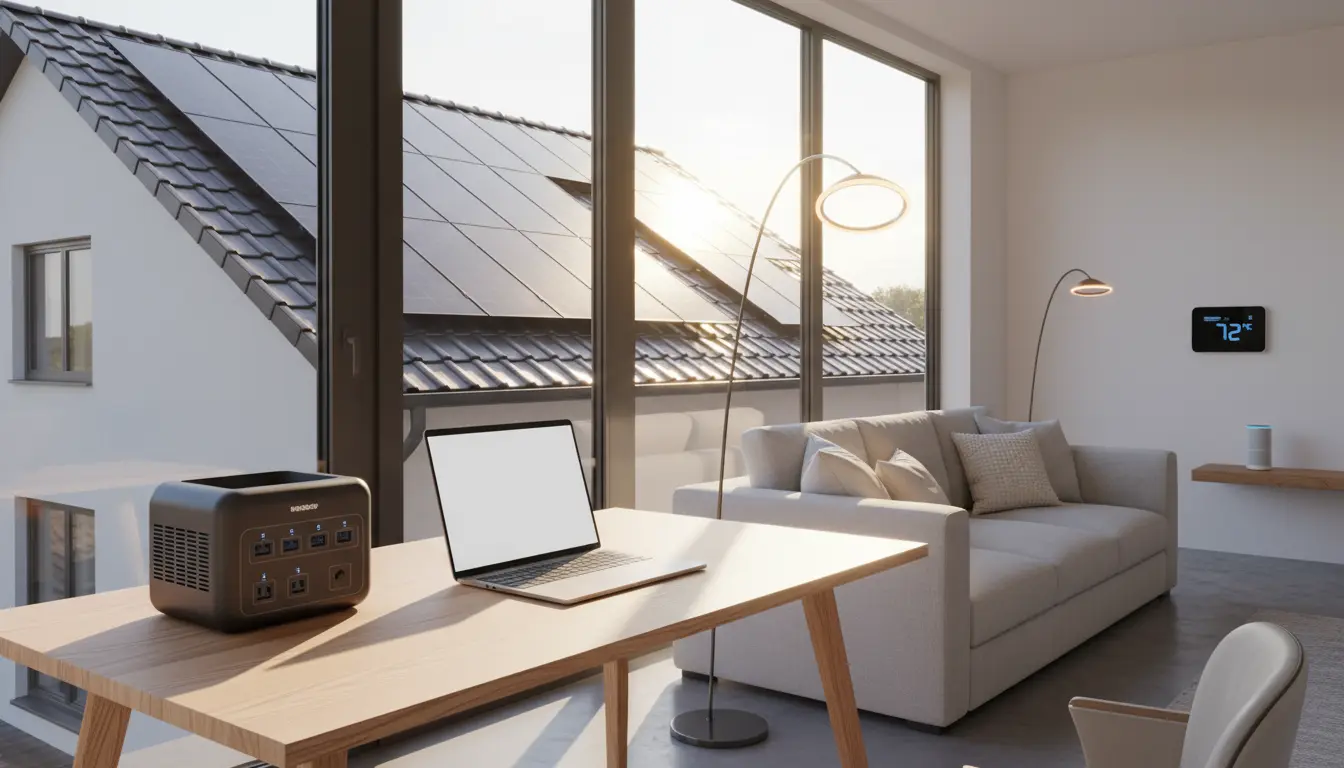
Demand for solar generators has grown rapidly, especially among eco‑conscious users and those living in sunny regions. A solar generator typically combines:
- A high‑capacity battery (portable power station)
- One or more portable or rooftop solar panels
- A charge controller and inverter
In 2025, solar power kits offer:
- Higher solar input limits to recharge faster during the day
- Flexible panel options (foldable, rigid, or roof‑mounted)
- Improved efficiency even in partial shade or cloudy conditions
Solar generators are ideal for:
- Off‑grid cabins or tiny homes
- RV and van‑life setups
- Emergency backup during prolonged blackouts
- Reducing reliance on noisy, fuel‑based gas generators
Essential Power Accessories: Surge Protectors, UPS, and Inverters
1. Surge Protectors and Power Strips
A modern power setup is incomplete without quality surge protectors. Voltage spikes can damage expensive electronics: TVs, gaming consoles, laptops, modems, and smart home hubs.
When choosing a surge protector in 2025:
- Check the joule rating (higher is better for protection).
- Look for UL 1449 listing or equivalent standards.
- Prefer models with USB‑C and USB‑A ports for direct device charging.
- Choose units with indicator lights that show when protection is still active.
2. Uninterruptible Power Supplies (UPS)
A UPS (Uninterruptible Power Supply) provides immediate backup power when the grid fails. It gives you time to save your work, shut down equipment safely, or keep critical devices running for a short period.
US and global users rely on UPS units for:
- Desktop computers and servers
- Network equipment (routers, switches, modems)
- Small business systems (POS, security, access control)
Best UPS features in 2025:
- Pure sine wave output for sensitive electronics
- Automatic voltage regulation (AVR) to handle minor fluctuations without draining the battery
- Smart monitoring software for safe shutdown and power event logs
3. Inverters for Vehicles and Off‑Grid Use
Power inverters convert DC power (from batteries, cars, RVs, or solar systems) into AC power. They are essential in:
- RV and van‑life builds
- Boat and marine power setups
- Off‑grid cabins and mobile workshops
In 2025, focus on:
- Pure sine wave inverters for safety and compatibility
- Right sizing (match inverter wattage to your peak loads)
- Built‑in overload, short circuit, and temperature protections
How to Choose the Best Power Solution for Your Needs in 2025
Every user’s needs are different, but the following steps can guide you to the right setup.
1. Define Your Use Cases
Ask yourself:
- Do I need emergency backup for home?
- Am I powering remote work equipment?
- Do I travel frequently and require portable power?
- Do I live in an area with frequent outages or voltage fluctuations?
Your goals will shape whether you invest in a small portable power station, a full home battery, or a solar hybrid solution.
2. Calculate Your Power Requirements
List your devices and their power usage (in watts), then estimate runtime:
- Router: ~10–20W
- Laptop: ~60–100W
- Monitor: ~30–60W
- Mini‑fridge: ~60–100W running, higher on startup
Use the formula:Required Capacity (Wh)≈Total Watts×Desired Hours of Runtime÷0.85\text{Required Capacity (Wh)} \approx \text{Total Watts} \times \text{Desired Hours of Runtime} \div 0.85 Required Capacity (Wh)≈Total Watts×Desired Hours of Runtime÷0.85
The division by 0.85 accounts for typical inverter and system losses.
3. Prioritize Safety and Certification
In 2025, safety standards matter more as batteries and high‑power devices become widespread. Look for:
- UL, ETL, CE, or equivalent certifications
- Battery management systems (BMS) with overcharge, over‑current, and temperature protections
- Reputable brands with clear documentation and warranty support
4. Consider Smart Features and Connectivity
Many of the best power products in 2025 include:
- Mobile apps for monitoring usage and battery state of charge
- Wi‑Fi or Bluetooth connectivity
- Firmware updates to add features or improve performance over time
These smart features help you optimize energy use and avoid surprises during critical moments.
Best Power Products for Different User Profiles in 2025
1.For US Homeowners
- A mid‑size home battery backup integrated with solar, if budget allows
- A UPS for internet and office equipment
- Multiple surge protectors for electronics and entertainment centers
- Optional portable power station for flexible indoor and outdoor use
2.For Global and Off‑Grid Users
- A solar generator kit with expandable battery capacity
- A pure sine wave inverter connected to a battery bank
- DC‑powered appliances where possible to improve efficiency
- Surge protection to guard against unstable grid or generator outputs
For Digital Nomads, Campers, and RV Owners
- A compact, lightweight portable power station
- Portable solar panels to recharge on the move
- A vehicle power inverter for additional charging options
- Rugged, weather‑resistant gear that can handle outdoor conditions
Jackery Explorer 1000 Plus Portable Power Station
For users seeking a versatile and reliable option, a popular choice on Amazon is the Jackery Explorer 1000 Plus Portable Power Station (model or similar high‑capacity portable power station available in 2025). It typically offers:
- Around 1000+ Wh capacity for laptops, routers, phones, cameras, and small appliances
- Multiple AC outlets, USB‑C, USB‑A, and DC ports
- Fast solar and wall charging with compatible panels
- LiFePO4 battery chemistry for long life and safer operation
- A companion app for monitoring and control
This kind of device is an excellent core power solution for US and global users who want a balance of portability, performance, and safety.