
Introduction to Solid Oxide Electrolyzers and Green Hydrogen
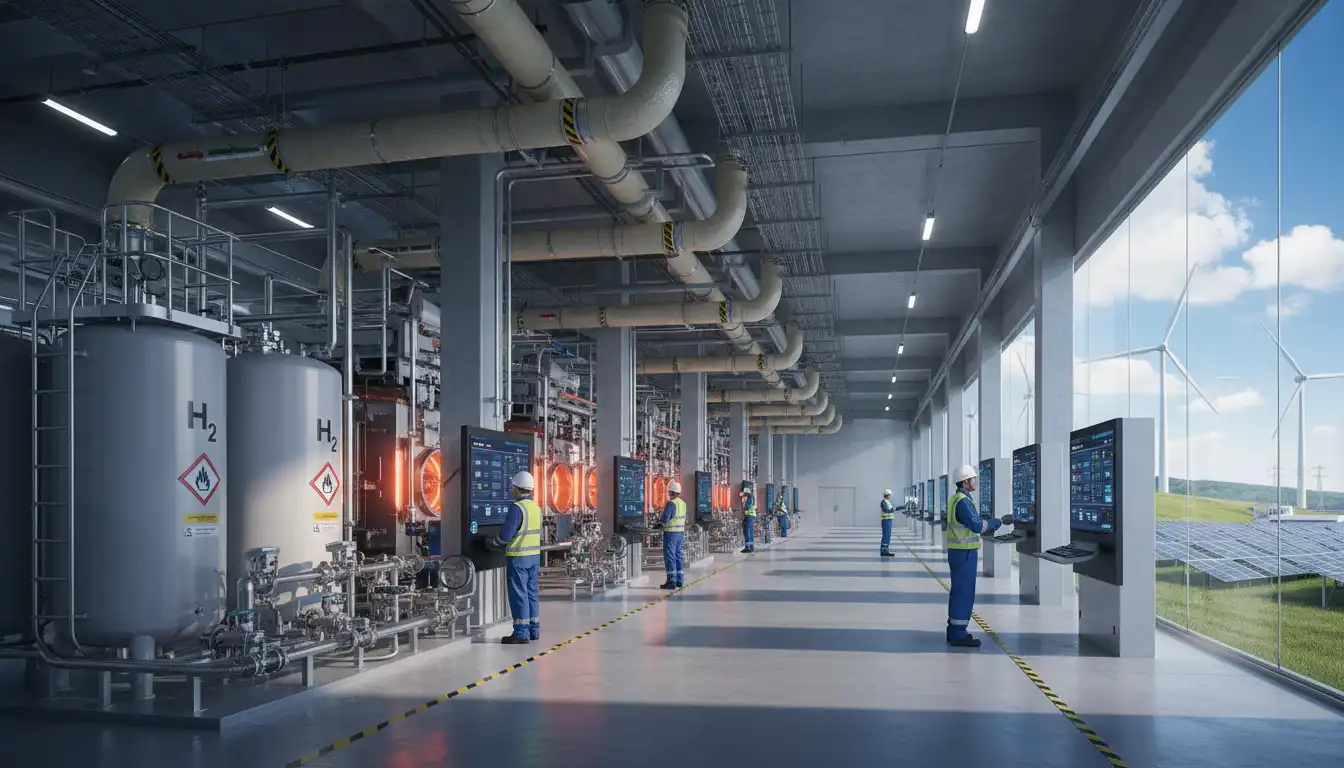
Solid oxide electrolyzer cells (SOECs) are emerging as one of the most efficient technologies for producing green hydrogen from renewable electricity. By operating at elevated temperatures, they can convert steam into hydrogen using less electrical energy than conventional low‑temperature electrolysis systems. In a world aiming for deep decarbonization, solid oxide electrolyzers provide a scalable, high‑efficiency pathway to generate clean hydrogen from wind, solar, and other low‑carbon power sources.
Green hydrogen produced by SOECs can be used as a zero‑carbon fuel, a clean industrial feedstock, and an energy storage medium. This makes solid oxide electrolysis an essential building block for future energy systems, especially in regions with abundant but variable renewable energy generation.
How Solid Oxide Electrolyzers Work
Solid oxide electrolyzers rely on a dense, ceramic electrolyte that conducts oxygen ions at high temperatures, typically in the range of 600–850°C. When steam is fed to the cathode side of the cell and a voltage is applied, water molecules split into hydrogen and oxygen ions. The oxygen ions migrate through the solid electrolyte to the anode, where they release electrons and form oxygen gas.
This high‑temperature operation differentiates SOECs from alkaline and proton exchange membrane (PEM) electrolyzers. Because a significant portion of the required energy is supplied as heat instead of electricity, the electrical energy demand per kilogram of hydrogen is reduced. As a result, solid oxide electrolyzers can achieve very high conversion efficiencies, especially when integrated with suitable heat sources.
Efficiency Advantages of High‑Temperature Electrolysis
The core appeal of solid oxide electrolyzers lies in their superior efficiency. As temperature increases, the thermodynamic energy requirement for water splitting shifts from electrical energy to thermal energy. In practice, this means that SOECs can reach system efficiencies above 80–90% (based on the lower heating value of hydrogen) in optimized configurations.
This high efficiency lowers operating costs over a plant’s lifetime, especially in markets with volatile electricity prices. Operators use waste heat from industry, data centers, or concentrated solar power to cut electrical demand. High‑temperature electrolysis increases overall energy efficiency and strengthens the economic competitiveness of green hydrogen versus fossil‑based hydrogen.
Materials and Cell Design in SOEC Technology
Typical solid oxide electrolyzer cells use an yttria‑stabilized zirconia (YSZ) electrolyte sandwiched between two porous electrodes. The cathode, sometimes called the steam electrode, is often based on a nickel‑YSZ cermet, which combines good electronic conductivity with strong catalytic activity for steam reduction. The anode, or oxygen electrode, can be made from perovskite‑type oxides optimized for oxygen evolution at high temperatures.
Recent advances in materials science are addressing key durability challenges. New oxygen electrode compositions aim to improve resistance to chromium poisoning and enhance long‑term stability. Alternative steam electrode materials are being explored to reduce performance degradation during redox cycling. Optimized interconnect coatings and sealing technologies are also extending stack lifetime, enabling higher current densities and more compact stack designs that are attractive for large‑scale hydrogen production.
Reversible Operation and Long‑Duration Energy Storage
Many solid oxide systems are inherently reversible, meaning the same stack can serve as both an electrolyzer and a fuel cell. In electrolyzer mode, the stack converts electricity and steam into hydrogen and oxygen. In fuel‑cell mode, the stack consumes hydrogen (or hydrogen‑rich fuels) to generate electricity and heat with high efficiency.
This reversibility creates a powerful option for long‑duration energy storage. During periods of excess renewable generation, SOECs operate in electrolysis mode to produce hydrogen. When electricity demand increases or renewable output drops, the system can switch to fuel‑cell mode, converting stored hydrogen back into power. This dual functionality enables flexible operation, improves asset utilization, and supports the integration of high shares of wind and solar on the grid.
Industrial Integration and Power‑to‑X Applications
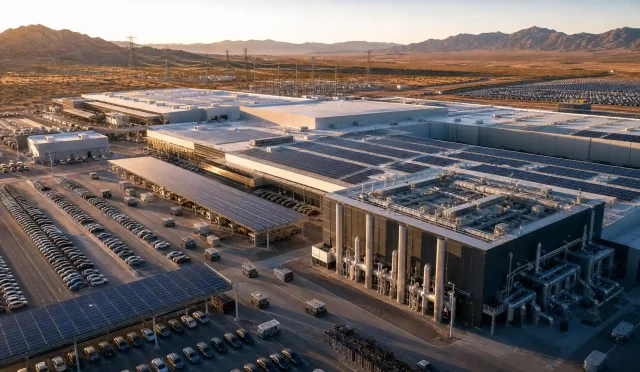
Solid oxide electrolyzers integrate naturally into industrial environments where both electricity and high‑temperature heat are available. In power‑to‑gas projects, SOECs can be coupled with steel plants, glass manufacturing, cement kilns, refineries, and chemical facilities to recover waste heat and surplus power. The produced hydrogen can be blended into natural gas grids, used for direct reduction of iron in green steelmaking, or converted into green ammonia for fertilizers and shipping fuels.
A particularly attractive feature is the ability of SOECs to co‑electrolyze steam and carbon dioxide to produce syngas, a mixture of hydrogen and carbon monoxide. This syngas can be upgraded into e‑fuels and e‑chemicals such as e‑methanol, synthetic kerosene, or renewable hydrocarbons. By combining renewable electricity, captured CO₂, and high‑temperature electrolysis, industries can create low‑carbon value chains that significantly reduce life‑cycle emissions.
Technical Challenges and Durability Considerations
Despite their strong potential, solid oxide electrolyzers still face technical challenges. High operating temperatures introduce mechanical stress and can accelerate materials degradation, particularly during frequent thermal cycling. Seal integrity, interconnect corrosion, and electrode microstructure changes all affect long‑term performance.
Maintaining durability under dynamic load profiles typical of renewable‑driven operation is a key research focus. Engineers develop stack designs, thermal management, and operating protocols to limit thermal gradients and mechanical stress in stacks.
Their goal is to achieve stack lifetimes above forty to sixty thousand operating hours with controlled performance degradation. Longer lifetimes and stable performance reduce technical risk, improving bankability and investor confidence for large commercial hydrogen projects.
Cost Reduction, Scaling, and Market Outlook
For solid oxide electrolyzers to reach mass deployment, capital costs must continue to fall. Today, high‑temperature stacks, specialized balance‑of‑plant components, and complex manufacturing processes contribute to higher upfront investment than some low‑temperature alternatives. However, the high efficiency of SOECs can offset these costs through lower electricity consumption over time.
Scaling up production, standardizing modules, and automating manufacturing are already driving costs down. As demonstration plants scale to commercial projects for green hydrogen, renewable ammonia, and e‑fuels, costs will fall rapidly. Technology learning curves will mirror those seen in solar photovoltaics and wind turbines as deployment accelerates worldwide fast. Rising carbon prices and stronger policy support will further improve the business case for solid oxide electrolysis projects. Together, these trends position solid oxide electrolysis as a central technology in the growing global green hydrogen market.
Role of Policy and Regulation in Accelerating Deployment
Supportive policy frameworks are essential for unlocking the full value of efficient green hydrogen technologies. Carbon pricing mechanisms, renewable energy targets, and dedicated incentives for renewable hydrogen can improve the business case for SOEC‑based projects. Clear certification schemes and guarantees of origin for green hydrogen help end‑users distinguish truly low‑carbon products, rewarding high‑efficiency pathways such as solid oxide electrolysis.
In parallel, infrastructure planning for hydrogen transport, storage, and distribution will enable large‑scale offtake in industry, mobility, and heating. Coordinated strategies that combine renewable energy build‑out with hydrogen production and industrial decarbonization goals will accelerate investment in solid oxide electrolyzers and related technologies.
Conclusion: Solid Oxide Electrolyzers in the Future Energy System
Solid oxide electrolyzers combine high efficiency, fuel flexibility, and easy integration with industrial heat and renewables. They transform surplus electricity and waste heat into green hydrogen and synthetic fuels.
This supports deep decarbonization in hard‑to‑abate sectors like steel, chemicals, cement, aviation, and shipping.
As materials, stack designs, and system engineering improve, SOEC technology will scale from pilots to global commercial plants. Solid oxide electrolyzers will stabilize renewable‑rich power systems and enable reliable, long‑duration energy storage worldwide. They will also supply clean hydrogen and synthetic fuels for many industrial, transport, and energy applications. Their contribution will be crucial for building a resilient, climate‑neutral energy system based on efficient green hydrogen.