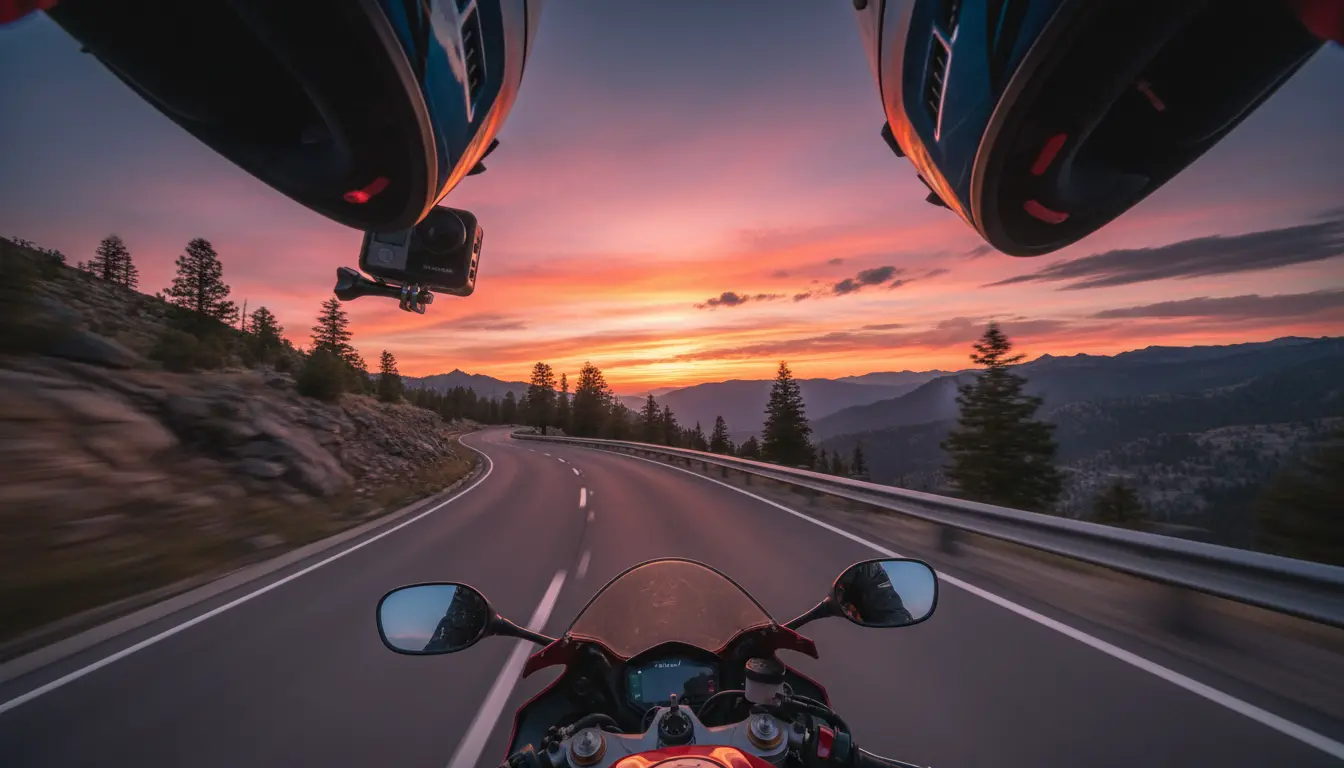

Best Helmet-Mount Compatible Cameras for Moto Vlogging
Moto vlogging has exploded in popularity as more riders want to share their daily commutes, twisty mountain runs, and long-distance tours. The heart of any good moto vlog is a reliable helmet-mounted camera that delivers sharp video, clear audio, and a stable picture even at highway speeds. Choosing the right camera is critical if you want organic, watchable content that keeps viewers coming back.
In this guide, you’ll learn what really matters when picking a helmet-mount compatible camera for moto vlogging, the key features to look for, and one specific product recommendation available on Amazon.com.
Why Helmet Mounting Matters for Moto Vlogs
Where you mount your camera changes the entire feel of your footage. Many moto vloggers prefer helmet mounting (especially chin or side mounts) because it:
- Captures a natural, rider’s-eye POV
- Follows exactly where you look
- Keeps the bike cockpit visible for extra context
- Reduces vibrations compared to some handlebar or fairing mounts
A good helmet-mount compatible camera must be compact, lightweight, and stable. If it’s too heavy, it creates neck fatigue and can shift around at high speed. If it lacks strong stabilization, the video becomes shaky and unpleasant to watch.
Key Features of the Best Moto Vlog Cameras
1. Image Quality and Resolution
For modern moto vlogs, 4K is the standard. A camera that can record at least 4K 30fps (ideally 4K 60fps) ensures you get sharp, detailed footage that looks great even on large screens. High bitrate recording and a good sensor help preserve detail in fast-moving scenes, like lane splitting or track riding.
Look for:
- 4K 30/60fps video modes
- High bitrate (for cleaner, less compressed footage)
- Wide dynamic range to handle bright skies and dark shadows simultaneously
2. Powerful Image Stabilization
Motorcycles introduce a lot of movement: engine vibrations, bumps in the road, aggressive braking, and quick head checks. That’s why advanced electronic image stabilization is non-negotiable for a helmet camera.
Top-performing cameras use algorithms that smooth out shakes while preserving a natural feel. You want the ride to look dynamic without making viewers nauseous. Stabilization should work well even in low light and at higher frame rates.
Audio: The Hidden Deal-Breaker for Moto Vlogs
Crisp video is useless if your audio is drowned out by wind noise. Viewers need to clearly hear your voice, your reactions, and occasionally the sound of the engine.
For a helmet-mount setup, prioritize:
- External microphone support: A 3.5 mm jack or adapter to plug in a lavalier mic inside your helmet.
- Good wind noise reduction: Either via software or pairing the mic with a deadcat/foam cover.
- Adjustable audio levels: The ability to tune input gain so your voice doesn’t clip at high speeds.
Most moto vloggers run a small lav mic tucked inside the cheek pad of the helmet, connected to the camera via an adapter. This setup isolates your voice, reduces wind noise, and makes your commentary sound professional.
Mounting Options and Helmet Compatibility
Not every camera shape fits every helmet, and not every mount works for moto vlogging. The best helmet-mount compatible cameras offer flexible mounting options — especially for chin mounts.
Key points:
- Chin mount suitability: Box-style or slightly rectangular cameras often sit well on chin mounts and give a centered POV.
- Low-profile design: A slim, aerodynamic body reduces wind drag and neck fatigue.
- Strong ecosystem of mounts: Availability of third-party and brand-name mounts for full-face, modular, and ADV helmets.
Double-check that your chosen camera works well with third-party chin mounts designed for your specific helmet model. A stable chin mount dramatically improves both comfort and video perspective.
Durability, Weather Resistance, and Battery Life
Riding means exposure to changing weather: rain, dust, heat, and cold. Moto vlog cameras must withstand all of it.
Look for:
- Waterproofing: Either native waterproofing or a dedicated housing that allows full controls while riding.
- Rugged construction: A solid body that tolerates the occasional drop or impact.
- Decent battery life: At least 1–1.5 hours of continuous recording at 4K 30fps. Hot-swappable batteries are a big plus.
Many moto vloggers carry two or three spare batteries for long rides. Combine that with a high-capacity microSD card and you can record an entire day’s content without worry.
Ease of Use and On-the-Road Control
When you’re riding, you can’t look at tiny menus or tap through complex settings. A practical moto vlog camera makes it easy to start and stop recording, switch modes, and check framing with minimal distraction.
Important usability features include:
- Large, tactile record button you can feel with gloves
- Voice control for start/stop recording
- Simple, intuitive menu system
- Front or rear screen to confirm that the angle is correct before riding off
The more intuitive the camera, the more likely you are to capture spontaneous content — unexpected encounters, scenic views, or sudden weather changes.
Extra Features That Level Up Your Moto Vlogs
Beyond fundamentals, some advanced features help your channel grow faster and make your workflow smoother:
- Flat color profiles or “Log” modes for better color grading in editing
- TimeWarp/Hyperlapse modes for speeding up long, boring stretches of road
- Wi-Fi/Bluetooth connectivity for quick transfers to your phone and fast social media uploads
- Vertical video support if you also post on TikTok, Instagram Reels, or YouTube Shorts
While these features aren’t absolutely required, they often save time in post-production and give your content a more polished, professional look.
Recommended Helmet-Mount Camera from Amazon.com
One of the most popular and battle-tested choices for moto vloggers right now is the GoPro HERO13 Black. It’s widely available on Amazon.com and has become a go-to camera for riders for several reasons:
- Excellent 5.3K and 4K video quality with strong detail and color
- Highly advanced HyperSmooth stabilization, ideal for smoothing out rough roads and aggressive riding
- Robust ecosystem of helmet and chin mounts, including many third-party options specifically designed for moto vlogging
- External microphone support via a dedicated media mod or adapter, perfect for clear in-helmet commentary
- Rugged and waterproof design, so you can ride in the rain or through dust without fear
- User-friendly interface and voice commands, making it easy to operate with gloves on
If you’re looking for a reliable, helmet-mount compatible camera that can handle daily moto vlog use, the GoPro HERO13 Black is a strong, future-proof investment that fits the needs of most creators.
Final Thoughts
The best helmet-mount compatible camera for moto vlogging is the one that balances image quality, stabilization, audio capability, durability, and ease of use — all while staying comfortable on your helmet. Focus on 4K video, strong stabilization, external mic support, and a proven mounting ecosystem, and you’ll have a setup that produces organic, engaging content your audience will love.
With a solid camera like the GoPro HERO13 Black, a good chin mount, and a quality lavalier microphone inside your helmet, you’ll be ready to record professional-looking moto vlogs in almost any riding condition.