
Home Step Aerobic Platforms: The Best Step Boards for Effective At‑Home Workouts
Staying active at home has never been more important. Step aerobics is one of the easiest and most effective ways to burn calories, strengthen your lower body, and improve heart health without needing a gym. The only essential piece of equipment you need is a step board (step platform, aerobic stepper). Choosing the right step platform for home use helps you exercise safely, stay motivated, and progress over time.
Below, you’ll find a detailed guide to step boards for home step aerobics: what to look for, different models, safety tips, and how to match a board to your fitness goals. All explanations use clear, active language so you can quickly decide which type of step platform is best for you.
Why Step Aerobics at Home Is So Effective
Step aerobics combines rhythmic stepping movements with simple choreography. You step up and down on a platform at different speeds and heights. This movement:
- Raises your heart rate and improves cardiovascular endurance
- Targets glutes, quadriceps, hamstrings, and calves
- Engages your core muscles for balance and stability
- Burns significant calories in a short time
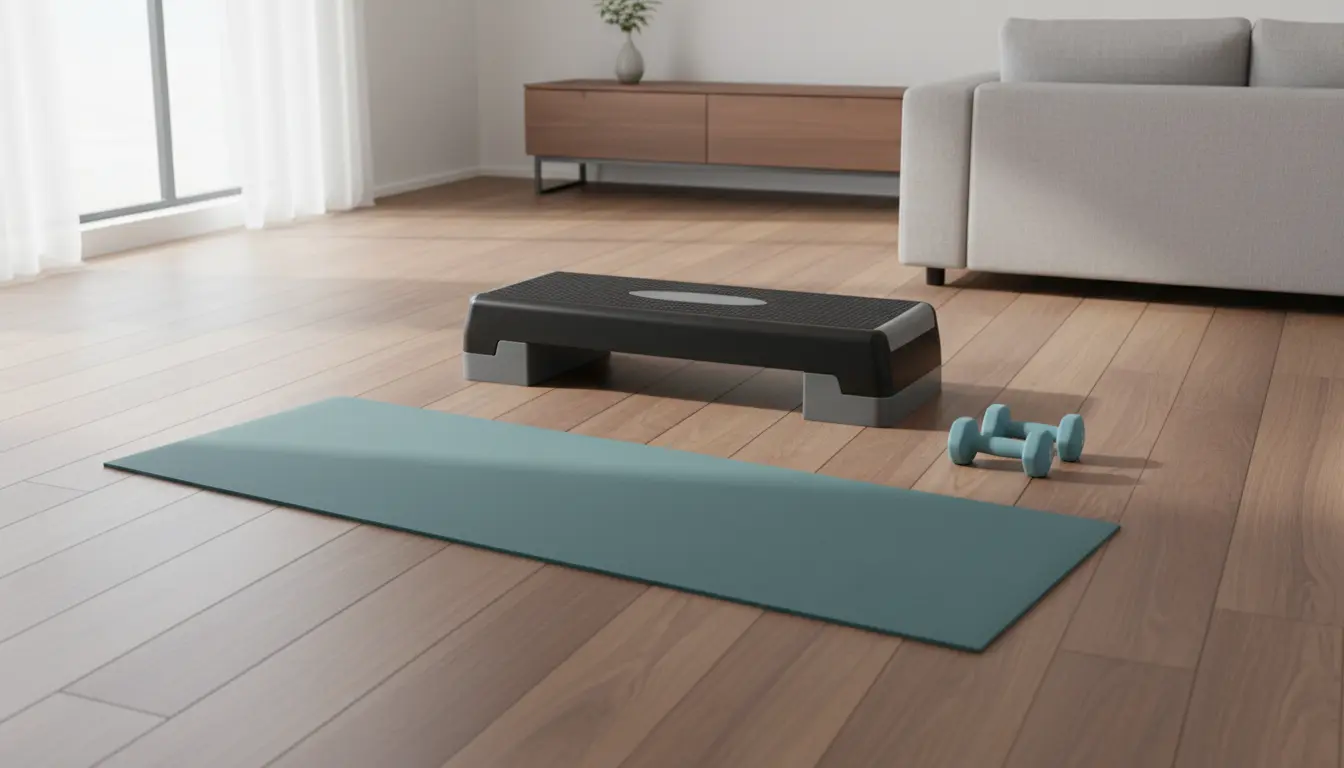
With a compact step board, you can transform a small corner of your living room into a mini fitness studio. You do not need complex machines or large equipment. A stable step platform and a bit of floor space are enough to create a challenging, full‑body workout.
Key Features to Look for in a Home Step Board
When you buy a step board for home aerobics, focus on safety, comfort, and adjustability. The right model supports your body, reduces impact on joints, and stays stable on the floor.
1. Non‑Slip Surface
A high‑quality non‑slip surface is crucial. During step aerobics, you move quickly, change directions, and sometimes jump. A textured or rubberized top:
- Prevents your feet from sliding
- Provides secure footing even when you sweat
- Reduces the risk of ankle twists or falls
Look for a surface with visible texture or grooves, and avoid completely smooth plastic tops.
2. Adjustable Height
Different fitness levels require different step heights. Beginners usually start at 4 inches, while more advanced users train at 6–8 inches or higher. An adjustable height step platform lets you:
- Increase workout intensity as you get stronger
- Lower the height on days when you feel tired or your joints need a break
- Share the board with family members of different fitness levels
Most home step boards include removable risers that you place under the platform to raise the height.
3. Stable, Wide Base
A wide base and solid construction provide stability on various floor types:
- Check that the board doesn’t wobble when you stand on the edges
- Anti‑skid rubber feet help prevent sliding on tile, laminate, or hardwood
- A weight capacity of at least 200–250 lbs (90–115 kg) is recommended for safety
If you plan to use hand weights during your step workouts, a sturdy base becomes even more important.
4. Comfort and Joint Protection
Good step platforms reduce impact on your knees and ankles. Look for:
- Slight cushioning or shock‑absorbing materials
- Rounded edges to avoid hitting your shins
- Enough surface area so both feet can stand comfortably side by side
If you have sensitive joints, combine your step board with supportive sneakers and, if needed, a training mat under the platform.
Types of Step Boards for Home Aerobics
Different models serve slightly different needs. Understanding the main types helps you pick the right one for your home routine.
Classic Aerobic Step Platform
This is the standard rectangular board used in traditional step classes. It usually includes 1–3 levels of height adjustment. Choose this type if you:
- Follow online step aerobics classes
- Want a versatile platform for cardio and toning
- Need something easy to store under a bed or behind a sofa
Classic boards work well for beginners and experienced users.
High‑Intensity Step Boards
Some platforms support higher risers and higher weight limits. They suit:
- Intense interval training (HIIT)
- Plyometric step exercises (such as burpees or box jumps)
- Stronger or taller users who need more challenge
If you plan to do explosive exercises, focus on a very stable model with a non‑slip, shock‑absorbing surface.
Multi‑Purpose Step and Bench Combos
Certain step platforms convert into mini benches or incline surfaces. These multi‑functional step benches allow you to:
- Perform strength training with dumbbells
- Do core work such as sit‑ups and Russian twists
- Combine cardio and resistance training in one compact tool
They’re ideal for small apartments because one piece of equipment replaces a bench and a step.
How to Choose the Right Step Platform for Your Fitness Level
Your personal goals and current fitness level should guide your decision.
For Beginners
If you are new to step aerobics:
- Choose a board with a low starting height (4 inches)
- Prioritize strong grip and wide surface over advanced features
- Look for simple height adjustments so you can progress slowly
A basic, well‑built step platform is usually enough for safe and effective workouts.
For Intermediate and Advanced Users
If you already exercise regularly:
- Pick a platform that adjusts to at least 6–8 inches
- Check the weight capacity and construction for higher‑impact moves
- Consider a model with extra risers or bench capability to add variety
Advanced users often appreciate a board that supports HIIT, strength training, and traditional step choreography in one.
Safety Tips for Using Step Boards at Home
To keep your workouts safe and enjoyable:
- Warm up for 5–10 minutes with marching, gentle knee lifts, and dynamic stretches.
- Start low, especially if you haven’t done step aerobics before. Keep the platform at its lowest height until you feel comfortable.
- Step fully onto the board: place your whole foot on the platform, not just your toes or heels.
- Land softly, bending your knees as you step down to absorb impact.
- Maintain posture: keep your chest lifted, shoulders relaxed, and core engaged.
- Check the area: make sure there is enough space around the board to move freely without hitting furniture.
By following these guidelines, you protect your joints, avoid falls, and enjoy smooth, controlled movements.
Simple Home Step Workout Ideas
Once you have your step platform, you can create short but powerful routines. For example:
- Beginner routine (10–15 minutes)
- Basic step up and down
- Alternating knee lifts
- Step touches side to side
- Cool down with gentle stretches
- Intermediate routine (20–30 minutes)
- Basic step at higher speed
- V‑steps and over‑the‑top steps
- Step knee lift with light dumbbells
- Short intervals of fast stepping followed by slower recovery
These simple combinations keep your heart rate up, build leg strength, and make your workout more enjoyable.
Recommended Step Board on Amazon
If you want a reliable and popular option, consider the Yes4All Adjustable Aerobic Step Platform on Amazon.com:
- Adjustable height levels for beginners and advanced users
- Non‑slip surface and sturdy base for stability
- Compact design suitable for small spaces and easy storage
Always check the latest reviews, price, and dimensions on Amazon to ensure it matches your needs and your workout area.