
The Ultimate Guide to Best FPV Racing Drones: High-Speed Performance Machines
The world of First-Person View (FPV) racing represents the pinnacle of drone technology, combining adrenaline-pumping speeds with surgical precision. Unlike photography drones that prioritize stability and automated features, FPV racing drones are raw, powerful machines designed to navigate complex obstacle courses at speeds exceeding 100 mph. For enthusiasts looking to dominate the track, choosing the right quadcopter is the difference between a podium finish and a spectacular crash. This article explores the top-tier FPV racing drones currently leading the market, focusing on high-speed performance, durability, and the technical nuances that define a champion machine.
Understanding the FPV Racing Ecosystem
Before diving into specific models, one must understand what makes a racing drone unique. These aircraft utilize a “pilot’s eye” perspective, where a low-latency camera transmits a live video feed directly to a pair of FPV goggles. This immersive experience allows pilots to fly through gaps and around corners with incredible accuracy. The core components—the flight controller, brushless motors, Electronic Speed Controllers (ESC), and the frame—must work in perfect harmony to handle the immense torque and rapid directional changes required during a heat.
Top Contenders for High-Speed Dominance
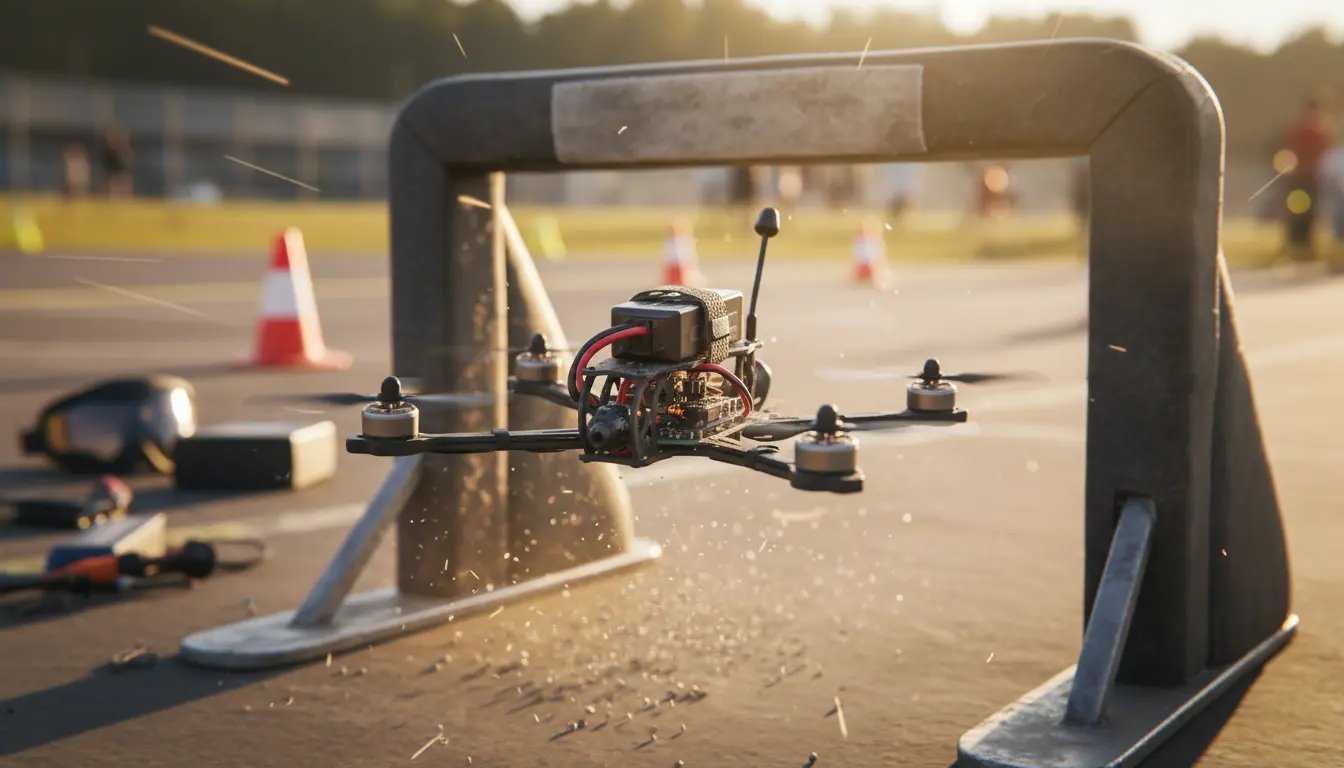
When we talk about high-speed performance machines, several brands consistently push the boundaries of what is possible in the 5-inch class, which is the standard for professional racing.

1. The Emax Hawk Apex
Emax has long been a staple in the racing community. The Hawk Apex is a refined version of their previous successes, featuring a lightweight carbon fiber frame and high-KV brushless motors. Its power-to-weight ratio is optimized for rapid acceleration, making it a favorite for technical tracks with many hair-pin turns. The inclusion of a high-quality video transmitter ensures that the pilot maintains a clear image even when pushing the drone to its absolute limits.
2. iFlight Nazgul5 V3
While often categorized as a freestyle drone, the Nazgul5 V3 possesses the raw speed necessary for competitive racing. Its “X” frame configuration provides balanced flight characteristics, and the robust build quality means it can survive the inevitable “gates” and “flags” collisions. For pilots who want a versatile machine that can transition from cinematic high-speed chases to formal racing, the Nazgul5 is a formidable choice.
3. Diatone Roma F5
Diatone’s Roma series focuses on elegance and efficiency. The F5 model utilizes high-grade materials to minimize vibrations, which is crucial for maintaining high-speed stability. A stable drone is a fast drone, as the flight controller doesn’t have to work as hard to correct for “noise,” allowing more power to go directly to the propellers.
The Role of Digital vs. Analog Systems
A major debate in the FPV world centers on the transmission system. Analog systems remain the gold standard for pure racing due to their near-zero latency. When you are traveling at 40 meters per second, even a few milliseconds of delay can result in a missed gate. However, digital systems like DJI O3 or Walksnail are gaining ground because they offer high-definition clarity, allowing pilots to see small branches or wires that analog might miss. Most professional racers still lean toward high-refresh-rate analog setups to ensure the most direct connection between their inputs and the drone’s reaction.
Custom Builds: The Professional’s Edge
While Ready-to-Fly (RTF) models are excellent, many top-tier racers prefer custom-built machines. Building a drone from scratch allows for total control over the weight distribution and component selection. Using a specialized racing frame like the Five33 LightSwitch or the Ummagawd 2Fiddy allows pilots to shave off every possible gram. In racing, weight is the enemy of agility. By selecting specific ESCs that support high-frequency PWM and motors with N52 magnets, builders create “screamer” drones that offer instantaneous throttle response.
Battery Technology and Power Management
High-speed performance is nothing without a reliable power source. FPV racing drones typically use Lithium Polymer (LiPo) batteries with high “C” ratings. A 100C or 120C battery can discharge energy rapidly, providing the “punch” needed to exit a turn or climb a vertical obstacle. Managing this power requires a sophisticated ESC that can handle high current bursts without overheating. Modern firmware like Bluejay or AM32 has revolutionized how these drones handle power, providing smoother low-end control and more explosive top-end speed.
Aerodynamics and Propeller Selection
The physics of high-speed flight involves a constant battle against drag. Racing frames often feature “skinny” arms to reduce the surface area blocked by the propeller’s downwash. Propeller choice also plays a vital role; a higher pitch propeller provides more top-end speed but consumes more battery and reduces low-end grip. Finding the “sweet spot” for a specific track layout is a skill that separates the veterans from the novices.
Durability in the Face of Impact
Racing is a contact sport. Whether it is hitting a gate or another competitor, your drone will take a beating. The best performance machines use high-quality 3K carbon fiber with chamfered edges to prevent delamination. Modular designs, where arms can be replaced by removing a few screws, are highly valued because they allow pilots to get back into the air quickly after a crash.
Conclusion: Choosing Your Racing Partner
Selecting the best FPV racing drone requires a balance between raw speed, reliability, and your personal flying style. Whether you choose a pre-built powerhouse like the Emax Hawk or decide to solder your own custom masterpiece, the goal remains the same: achieving a flow state where the machine becomes an extension of your own senses. As technology continues to evolve, with lighter materials and faster processing, the speeds will only increase, further cementing FPV racing as the “Formula 1” of the skies.
Amazon.com Product Recommendation
For those looking to start their high-speed journey with a reliable, high-performance machine, the iFlight Nazgul5 V3 6S FPV Drone is highly recommended. It offers a perfect blend of power, durability, and modern components that cater to both aspiring racers and experienced pilots.