
Best Drones With Optical Flow Sensors for Stable Flight (Explained)
Drone pilots often describe “stable flight” as that effortless moment when the aircraft seems to lock into position—hovering smoothly, resisting small gusts, and responding predictably to inputs. In reality, stability is the outcome of several systems working together: the flight controller, IMU sensors, GPS (when available), barometer, and increasingly, optical flow sensors paired with a downward vision system.
If you’re searching for the best UAVs for stable flight with optical flow, you’re likely prioritizing indoor control, low-altitude precision, and confidence during takeoff and landing—especially in GPS-challenged environments. This guide explains how optical flow works, what actually improves stability, and which drones stand out for dependable hovering and controlled motion.
What an Optical Flow Sensor Does (and Why It Matters)
An optical flow sensor measures how the ground texture “moves” across the camera’s view as the drone drifts. The drone uses that motion data to estimate horizontal movement and correct it in real time. Think of it as a form of visual speedometer that works best close to the ground.
This is why optical flow becomes valuable in scenarios like:
- Indoor flight where GPS can’t help
- Precision hover near the ground
- Smooth slow movement for filming
- Stable training flights for beginners
- Confident landing and low-altitude positioning
When paired with a barometer (for altitude holding) and good flight tuning, optical flow can significantly improve “hands-off” hover performance.
Optical Flow vs GPS Position Hold: Not the Same Thing
Many pilots assume optical flow replaces GPS. It doesn’t—at least not fully.
- GPS stability is great outdoors and at higher altitude, but it can drift, lag, or degrade near buildings.
- Optical flow stability excels at low altitude and indoors, but it depends on lighting and surface texture.
The best setups often use both, switching intelligently depending on altitude and conditions. For a stable user experience, you want a drone that blends sensors smoothly rather than one that “hunts” or oscillates.
Key Factors That Improve Stability (Beyond the Sensor)
Optical flow matters, but it isn’t magic. If you want truly stable flight, pay attention to these buying factors:
1) Downward Vision + ToF/IR Assistance
Many modern drones combine optical flow with additional downward sensors (like infrared or time-of-flight ranging). This improves low-light performance and helps the drone judge distance to the ground more accurately for precise hovering.
2) Flight Controller Quality and Tuning
A strong flight controller and refined firmware are what translate sensor data into smooth stabilization. The best brands deliver stable flight not only on paper, but in real-world conditions with imperfect surfaces and mixed lighting.
3) Lighting and Surface Texture Requirements
Optical flow performs best when:
- The surface has visible texture (tile seams, carpet, pavement, wood grain)
- Lighting is consistent (not too dark, not flickering)
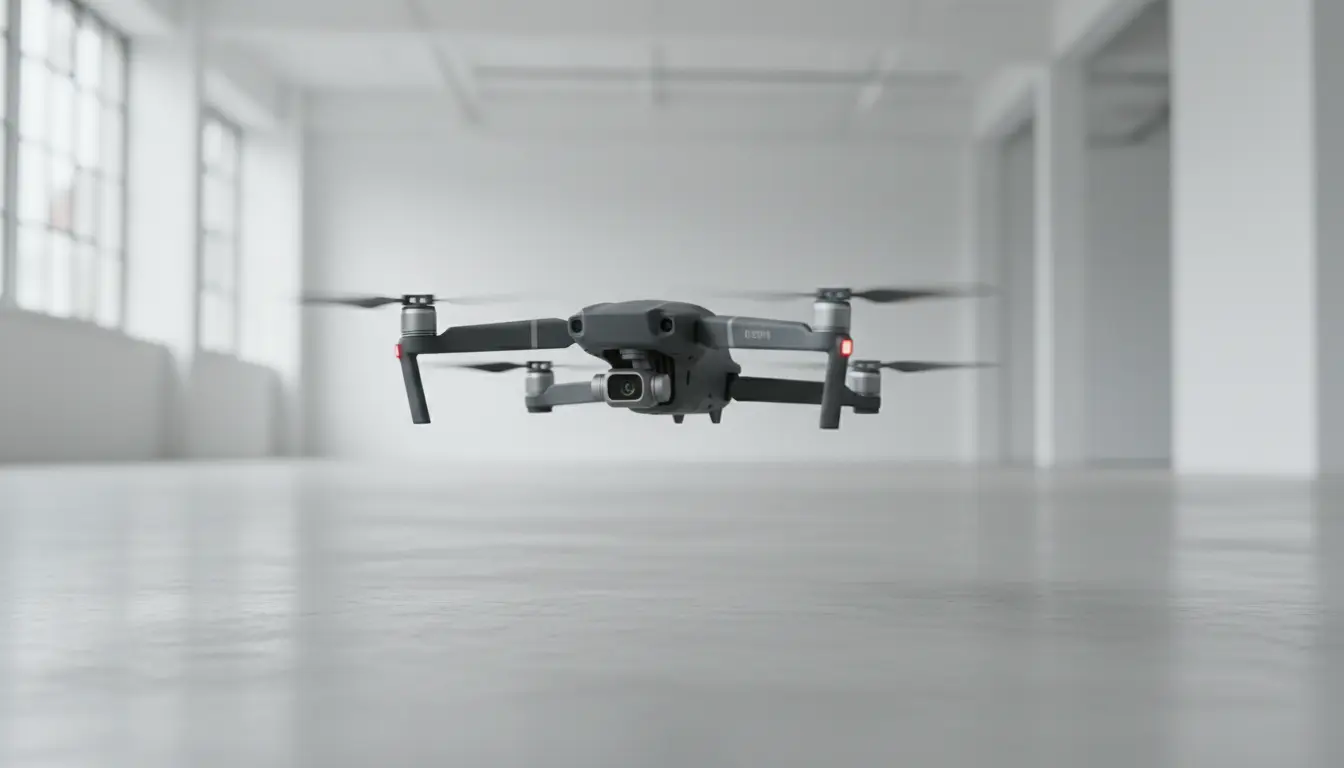
It performs worse on glossy floors, pure white surfaces, reflective water, or low-light rooms.
4) Weight, Wind Resistance, and Prop Efficiency
Heavier drones often resist tiny air currents better, but require more space and may cost more. Small indoor-friendly models can still stabilize well, but they’ll always be more sensitive to drafts from vents and open windows.
Best Drones With Optical Flow Sensors for Stable Flight (Practical Picks)
Below are categories of drones that tend to deliver the best results for stable flight with optical flow. Instead of repeating the same spec sheet, I’m focusing on what they do well in real use: hover quality, indoor confidence, and forgiving control.
1) DJI Consumer Drones with Downward Vision (Most Reliable Stability)
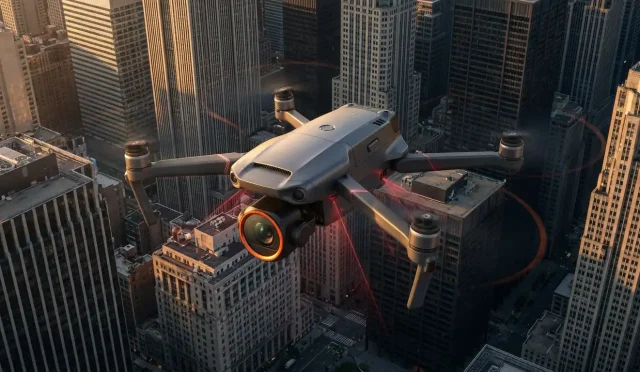
DJI has consistently strong sensor fusion. Many of its consumer drones use a downward vision system (which includes optical flow behavior) to maintain position at low altitude, especially when GPS is weak. If your priority is stability for filming, practice, or smooth indoor movement (where permitted and safe), DJI’s implementations are typically among the most refined.
Why these are strong choices:
- Excellent hover behavior close to the ground
- Smooth drift correction and stable takeoff/landing
- Good integration with altitude hold and vision positioning
If you care about stable footage, the combination of camera stabilization plus reliable positioning can make a major difference for aerial photography and slow cinematic moves.
2) Beginner-Friendly Drones Using Optical Flow for Indoor Control
Many entry-level and “training” drones include optical flow to make indoor flight less stressful. They often market it as “hover mode” or “position hold.” The best of these models won’t match premium drones in wind, but they can feel surprisingly stable in calm indoor environments with a textured floor.
Where they shine:
- Safer practice for new pilots
- Stable hovering for learning yaw/roll control
- Affordable way to experience visual positioning
This category is especially relevant if you want a beginner drone that feels calmer and less twitchy during basic maneuvers.
3) FPV and DIY Builds: Optical Flow as an Add-On (Advanced Use)
FPV drones typically prioritize manual control and responsiveness, but builders sometimes add optical flow modules for specific tasks like indoor training, low-altitude holds, or research and development. If you run ArduPilot, INAV, or other custom stacks, you can integrate optical flow with tuning and careful configuration.
What to expect:
- Great flexibility for experiments and specialized missions
- More setup time and tuning required
- Results depend heavily on calibration and surface conditions
This route is best if you want customization and you’re comfortable with firmware settings, PID tuning, and sensor mounting.
Use Cases: When Optical Flow Stability Makes a Noticeable Difference
Optical flow isn’t just a checkbox feature. In the right conditions, it’s the difference between “constantly correcting drift” and “smoothly controlling a stable platform.”
Indoor Flying (GPS-Denied Environments)
Indoors, the drone can’t rely on satellites. Optical flow and downward vision become the primary tools for steady positioning. That’s why many pilots consider optical flow essential for indoor training—assuming you fly safely and follow local rules.
Low-Altitude Cinematic Shots
Close to the ground, GPS may not feel as locked-in, and turbulence from props can make motion messy. Optical flow helps achieve more smooth hovering and controlled lateral movement for clean tracking shots.
Safer Takeoff and Landing
Optical flow can reduce “skating” during landing and help the drone settle more predictably. This is particularly helpful for new pilots who tend to over-correct near the ground.
Limitations You Should Know (So You Don’t Overbuy)
To keep your decision realistic and organic, here are the most common reasons optical flow stability disappoints:
- Low light: dim rooms reduce tracking accuracy
- Reflective floors: shiny tiles can confuse motion detection
- Uniform surfaces: plain carpets or blank surfaces provide fewer reference points
- High altitude: optical flow loses effectiveness as the ground texture becomes less detailed
- Fast motion: extreme speed can reduce tracking reliability depending on sensor and processing
A stable experience comes from choosing a drone with well-integrated sensor fusion, not just “optical flow” written on the box.
How to Choose the Best Optical Flow Drone for Your Needs
Use this quick checklist:
- If you want maximum stability + minimal hassle, choose a well-known consumer drone line with strong vision positioning and mature firmware.
- If you want indoor practice on a budget, pick a beginner drone that explicitly supports hover/position hold with optical flow and has decent lighting tolerance.
- If you want custom missions or research, consider a DIY platform where you can tune the system and add modules as needed.
One Amazon Product Recommendation (Practical, Stability-Focused)
If you want a widely recognized, stability-first option with a strong downward vision/positioning system, consider:
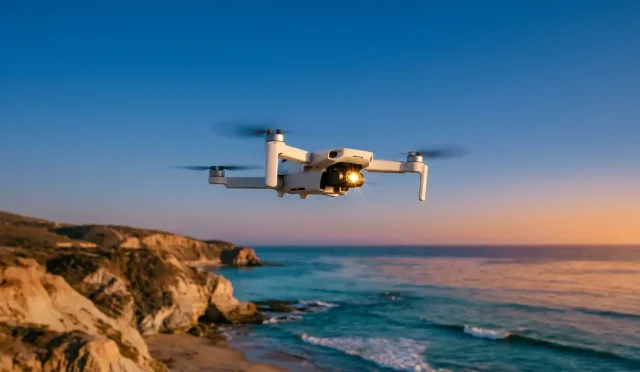
- DJI Mini 5 Pro
It’s frequently chosen for its refined stabilization behavior, reliable sensor fusion, and strong overall flight experience for both beginners and experienced pilots who want consistent hovering and controlled movement.