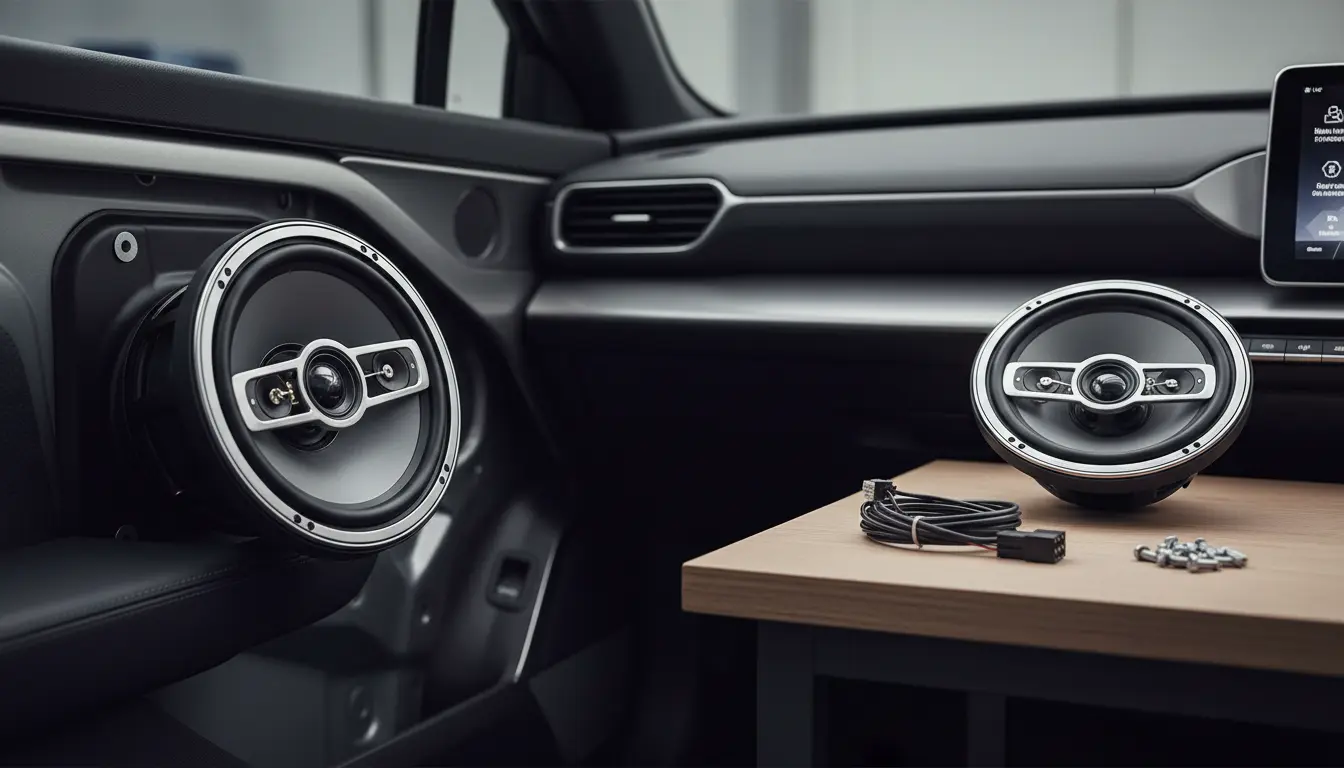

The Ultimate Guide to the Best Multi-Driver Coaxial Speakers for 2026
The quest for the perfect auditory experience in a vehicle often leads to a single, transformative upgrade: the installation of high-quality multi-driver coaxial speakers. As we move into 2026, the technology behind these “all-in-one” audio solutions has reached a pinnacle of efficiency and clarity. Whether you are a casual listener or a dedicated audiophile, understanding the nuances of coaxial speaker design—specifically those featuring multiple drivers—is essential for achieving a studio-grade soundstage within the confines of your car or truck.
Understanding the Multi-Driver Coaxial Advantage
At its core, a coaxial speaker integrates multiple drivers onto a single axis. While a standard 2-way coaxial speaker features a woofer and a tweeter, multi-driver versions—such as 3-way, 4-way, or even 5-way systems—incorporate additional midrange drivers and super-tweeters. This design philosophy aims to provide a more granular reproduction of the frequency spectrum. By delegating specific frequency ranges to dedicated drivers, these speakers minimize distortion and ensure that every note, from the deepest bass line to the highest cymbal crash, resonates with absolute precision.
Active audio enthusiasts prefer these systems because they offer a “plug-and-play” solution that rivals complex component setups. You don’t need to cut holes for separate tweeters or find space for bulky external crossovers. Instead, the multi-driver coaxial unit houses everything within a single frame, making it the most efficient path to a premium audio upgrade.

Key Features to Look for in 2026
When you evaluate the best multi-driver coaxial speakers this year, several technical specifications should guide your decision. First, consider the RMS power handling. Unlike peak power, which indicates a short-term burst, RMS tells you what the speaker can handle continuously. For those using a factory head unit, high sensitivity (measured in decibels) is crucial. A speaker with a sensitivity rating of 90dB or higher will produce more volume with less power, ensuring your music stays clear even without an external amplifier.
Material quality also plays a pivotal role. Look for polypropylene cones or carbon-injected materials. These provide the necessary rigidity to move air effectively while remaining lightweight enough to respond to rapid musical transients. Furthermore, silk dome tweeters are often preferred over metallic ones for their ability to deliver smooth, non-fatiguing high frequencies.
Top-Tier Performance: 3-Way and 4-Way Systems
The 3-way coaxial speaker remains the “sweet spot” for many. By adding a dedicated midrange driver, these speakers fill the “sonic gap” that sometimes exists between a large woofer and a tiny tweeter. This results in much clearer vocals and more realistic instrument textures. Brands like Rockford Fosgate and JBL have mastered this balance, using technologies like Plus One™ woofer cones to increase the radiating surface area, which significantly boosts mid-bass output without requiring a larger mounting hole.
For those who want even more detail, 4-way and 5-way systems introduce super-tweeters. These tiny drivers handle the ultra-high frequencies that add “air” and “sparkle” to a recording. While some argue that the human ear struggles to hear these frequencies, the overall effect is a more open and immersive soundstage that feels less like a speaker and more like a live performance.
Installation and Compatibility
One of the greatest strengths of the modern multi-driver coaxial speaker is its universal appeal. Most manufacturers now design these units with shallow mounting depths and FlexFit™ baskets. This means they can drop into the factory locations of almost any vehicle, from a compact sedan to a heavy-duty truck, without the need for custom fabrication.
However, you must still verify the fitment. A 6.5-inch speaker is the industry standard, but many trucks utilize 6×8 or 6×9 oval designs. Using the correct size ensures a proper seal against the door panel, which is vital for maintaining bass response. If you find yourself between sizes, many high-end coaxial kits now include adapter rings to bridge the gap.
The Role of Crossovers in Coaxial Design
Even though coaxial speakers are integrated units, they still rely on crossovers to direct traffic. In a multi-driver setup, the integrated crossover ensures that the woofer doesn’t try to play high notes and the tweeter isn’t damaged by low-frequency energy. The best speakers for 2026 feature high-quality capacitors and inductors built directly into the frame, providing seamless transitions between the drivers. This internal management is what allows a single coaxial unit to sound as cohesive as a multi-part component system.
Enhancing the Experience with Sound Deadening
To truly unlock the potential of your new multi-driver speakers, consider the environment they inhabit. Car doors are essentially hollow metal boxes that vibrate and leak sound. Applying a layer of butyl-based sound deadening material to the inner door skin can transform the performance of even a mid-range coaxial speaker. By reducing resonance and road noise, you allow the drivers to operate in a “dead” environment, which tightens the bass and brings the midrange forward.
Why Choose Coaxial Over Component?
While component systems (where the tweeter is separate) offer the ultimate in soundstage customization, they aren’t always practical. Multi-driver coaxial speakers provide 90% of the performance with 10% of the installation headache. For the vast majority of drivers, the convenience of a high-performance coaxial unit—especially one with a sophisticated 3-way or 4-way design—is the smarter investment. You get a balanced, full-range sound that is specifically engineered to work as a single, harmonious unit.
Future Trends in Coaxial Technology
As we look toward the end of the decade, we see a trend toward “active” coaxial designs and the use of exotic materials like graphene and aerospace-grade composites. These materials allow for even thinner, stronger cones that can move with incredible speed and accuracy. Additionally, the integration of DSP (Digital Signal Processing) profiles specifically tuned for certain coaxial models is becoming more common, allowing users to “flash” their car’s computer to perfectly match the output characteristics of their new speakers.
Conclusion: Elevating Your Daily Drive
Investing in the best multi-driver coaxial speakers is more than just a hardware upgrade; it is an investment in your daily quality of life. Whether you are stuck in traffic or cruising on the open highway, the clarity and depth provided by a well-engineered 3-way or 4-way system can turn a mundane commute into a private concert. By focusing on RMS power, sensitivity, and material quality, you can find a set of speakers that will serve you faithfully for years to come.
Product Recommendation: JBL GTO629 Premium 6.5-Inch Coaxial Speaker
For those seeking the perfect balance of power, clarity, and ease of installation, the JBL GTO629 is an outstanding choice. It features patented Plus One™ woofer cones for increased bass and a UniPivot™ tweeter that allows you to aim the sound directly at your ears, even when the speakers are mounted low in the doors. Its high sensitivity makes it perfect for factory head units, while its robust build can handle the power of a dedicated amplifier.