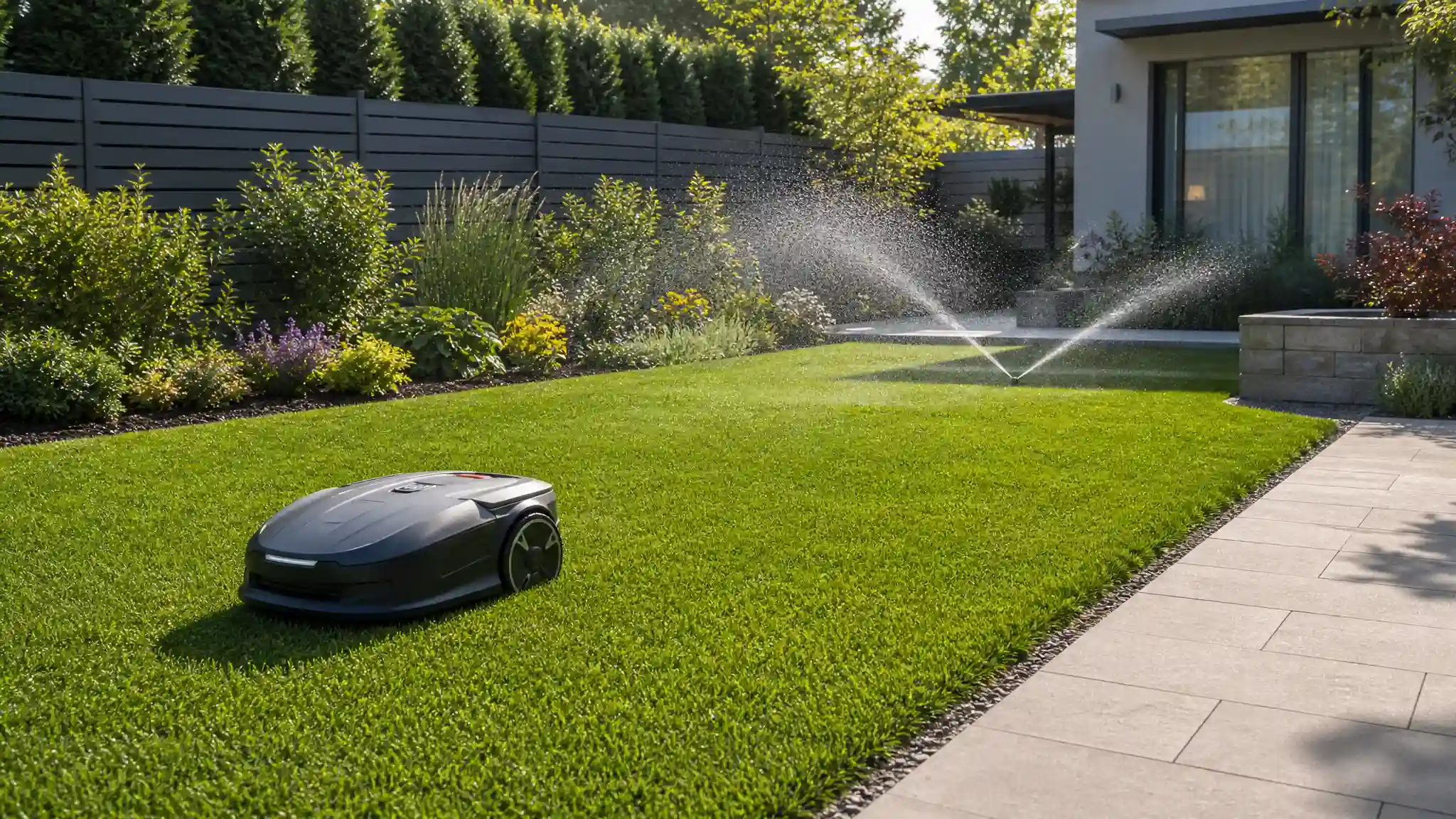

Smart Yards: The New Trend of Automated Lawnmowers and Sprinklers
Modern homeowners want outdoor spaces that look beautiful without demanding hours of constant work. That shift has created a strong interest in smart yards, where technology handles routine tasks with precision and consistency. Among the most popular upgrades are automated lawnmowers and smart sprinkler systems. These tools do more than save time. They improve lawn health, reduce waste, support sustainability, and make yard care easier for busy families.
The idea of a smart yard fits perfectly into today’s connected lifestyle. People already control lights, thermostats, and security cameras through mobile apps. Now they expect the same convenience outdoors. With a robotic lawn mower and a smart sprinkler system, homeowners can maintain a clean, green yard with far less manual effort. This is why smart yard technology has moved from a luxury concept to a practical solution for everyday living.
Why Smart Yards Are Becoming So Popular
Homeowners increasingly value efficiency. Traditional yard maintenance requires planning, labor, and regular monitoring. You need to mow on schedule, adjust watering times, check weather conditions, and respond to seasonal changes. Smart yard systems simplify all of that.


An autonomous mower can trim grass regularly without human guidance, while an app-based irrigation system can water only when the lawn truly needs it. This combination supports yard automation in a way that feels natural, useful, and cost-effective. Instead of reacting to lawn problems after they appear, homeowners can prevent them through smart, consistent care.
Another reason for this trend is environmental awareness. More people want eco-friendly yard care solutions that reduce water consumption and fuel use. Gas-powered mowers create noise and emissions, while overwatering wastes resources and can damage grass roots. Smart systems address both issues. They cut more efficiently, water more accurately, and often rely on sensors and schedules that optimize outdoor maintenance.
How Automated Lawnmowers Work
Automated lawnmowers, often called robotic lawnmowers, use sensors, boundary systems, and software to move around a yard and trim grass at regular intervals. Unlike traditional mowing, which removes large amounts of grass at once, these machines often cut a little at a time. That method helps maintain a neat appearance and supports healthier grass growth.
Most models return to their charging stations automatically. Many also connect to mobile apps, allowing users to set schedules, define mowing zones, and receive maintenance alerts. This level of control makes app-controlled lawn care more appealing to homeowners who want convenience without giving up customization.
Because robotic mowers operate frequently, they create finer grass clippings that break down quickly and return nutrients to the soil. This natural mulching effect can improve lawn quality over time. In addition, quieter operation makes these devices ideal for neighborhoods where noise matters.
For many people, the greatest benefit is consistency. The mower follows a routine even when the homeowner is busy, traveling, or simply not interested in spending a weekend pushing heavy equipment around the yard.
How Smart Sprinkler Systems Transform Watering
Watering a lawn sounds simple, but many homeowners still overwater, underwater, or irrigate at the wrong times. A smart sprinkler system solves this problem by using real-time data, local weather conditions, and customized schedules to deliver water more effectively.
Many systems include weather-based irrigation features. These functions adjust watering automatically when rain is expected, temperatures rise, or humidity changes. Some setups also work with a soil moisture sensor, which measures how much water the ground actually holds. That data helps the system avoid unnecessary watering and improve overall lawn care.
This kind of precision watering supports stronger root systems and healthier grass. It also reduces water bills and helps homeowners meet growing expectations around conservation. In areas where drought or water restrictions matter, smart irrigation becomes more than a convenience. It becomes a responsible choice.
People who invest in water-saving technology often discover that a healthier lawn does not require more water. It requires smarter water use. That principle explains why connected irrigation tools continue to gain momentum in both new homes and home upgrades.
The Perfect Combination: Mowing and Watering Automation
A truly smart yard does not rely on a single device. It works best when different systems support each other. Automated mowing and sprinkler control create a complete lawn management routine. One keeps the grass trimmed and uniform. The other ensures the lawn receives the right amount of moisture.
Together, these systems improve both appearance and performance. Frequent mowing helps grass stay dense and even. Efficient watering prevents stress, discoloration, and patchy growth. When combined, they reduce human error and make lawn maintenance automation a realistic option for ordinary homeowners.
This integrated approach also strengthens the broader idea of smart home landscaping. The yard becomes an extension of the connected home. Instead of treating outdoor care as a separate chore, people manage it through the same digital mindset they use indoors: automate repetitive tasks, monitor performance, and improve efficiency over time.
Key Benefits of a Smart Yard
Smart yards offer more than convenience. They provide a wide range of practical and long-term advantages.
First, they save time. Homeowners no longer need to spend every weekend mowing and manually adjusting sprinklers. Second, they improve lawn quality through regular and balanced care. Third, they reduce waste by applying water only when needed and replacing fuel-heavy equipment with cleaner alternatives.
They also support sustainable outdoor living. As energy efficiency and environmental responsibility influence home improvement decisions, smart yard tools fit naturally into that conversation. People want outdoor spaces that look polished but still reflect modern values. Automation helps them achieve that balance.
Another major advantage is adaptability. Smart systems adjust more easily to seasonal lawn care needs. During hotter months, irrigation patterns can shift. During slower growth periods, mowing frequency can decrease. These small changes happen with less guesswork and fewer interruptions.
What Homeowners Should Consider Before Buying
Despite their benefits, smart yard systems are not one-size-fits-all. Homeowners should evaluate several factors before investing.
Yard size matters. Some automated mowers work best in small to medium spaces, while others can manage larger or more complex layouts. Slope, obstacles, and boundary setup also affect performance. Likewise, sprinkler systems vary depending on water pressure, zone design, and compatibility with existing irrigation equipment.
Connectivity matters as well. Many connected garden devices rely on Wi-Fi or app control. A stable internet connection improves monitoring and scheduling, especially for users who want remote access. Ease of installation also matters. Some products are designed for simple DIY setup, while others may require professional support.
Budget plays a role, but long-term value matters more than sticker price alone. A cheaper system that wastes water or performs poorly may cost more over time. A reliable system that supports lawn health and reduces maintenance can deliver stronger value across multiple seasons.
Smart Yard Technology and the Future of Outdoor Living
The growth of smart yards reflects a broader change in how people think about homeownership. Today’s homeowners want systems that work with them, not against them. They want comfort, efficiency, and control without constant effort. Smart yard tools answer that demand.
As technology improves, automated systems will likely become more accurate, more accessible, and more integrated with larger home ecosystems. Future devices may use even stronger AI scheduling, better sensor feedback, and more refined zone control. They may also connect more deeply with voice assistants and full-property management platforms.
This direction makes sense because outdoor spaces now serve many purposes. A yard is no longer just a patch of grass. It is a place for family time, relaxation, entertaining, and even personal wellness. People want these spaces to look inviting without turning maintenance into a second job.
That is why smart sprinkler systems, robotic mowing, and other forms of smart home landscaping are becoming part of mainstream home improvement. They offer a cleaner, easier, and more efficient way to care for the outdoors.
Conclusion
Smart yards are not just a passing trend. They represent a practical evolution in outdoor maintenance. Automated lawnmowers and sprinkler systems help homeowners save time, cut waste, and create healthier lawns with less effort. They also reflect larger priorities such as convenience, sustainability, and connected living.
A robotic lawn mower keeps the grass neat through regular trimming. A smart irrigation setup uses weather-based irrigation, sensor data, and scheduling tools to water more intelligently. Together, they create a yard that works smarter, not harder.
For homeowners who want a well-maintained lawn without constant manual labor, this technology offers a strong solution. Smart yards combine beauty and function in a way that fits modern life. As more people embrace yard automation, automated mowing and watering will continue to shape the future of residential landscaping.
Amazon Product Recommendation
Husqvarna Automower 115H Robotic Lawn Mower