
AI Innovations Reducing Energy Waste in Homes and Buildings: The Future of Sustainable Living
The global push for sustainability has transformed how we design, manage, and inhabit our living spaces. As energy costs climb and environmental concerns intensify, artificial intelligence (AI) has emerged as the most potent weapon against energy waste. Modern buildings are no longer static structures; they are becoming intelligent ecosystems that learn, adapt, and optimize resources in real-time. This article explores the groundbreaking AI innovations that are redefining energy efficiency in residential and commercial sectors.
The Rise of Intelligent Climate Control
Heating, ventilation, and air conditioning (HVAC) systems account for the largest portion of energy consumption in most buildings. Traditional thermostats rely on manual settings or simple schedules, which often lead to heating or cooling empty rooms. AI-driven climate control systems change this dynamic by using occupancy sensors and machine learning algorithms.
These systems analyze historical data to predict when residents will be home. They adjust temperatures proactively, ensuring comfort while minimizing waste. Furthermore, AI integrates local weather forecasts to determine the most efficient way to maintain indoor temperatures. For instance, if the system knows a sunny afternoon is approaching, it might reduce heating early to leverage natural solar gain.
Smart Lighting and Occupancy Analytics
Lighting is another area where AI makes a significant impact. Beyond simple motion sensors, AI-powered lighting systems use computer vision and advanced sensors to detect the number of people in a room and the level of natural light available.
Adaptive lighting adjusts the brightness of LED bulbs based on the time of day and the specific task being performed. In large office buildings, AI maps occupancy patterns to shut down lighting in entire zones that remain unused during specific hours. This granular control eliminates the “always-on” culture that plagues modern architecture, significantly lowering the carbon footprint of urban centers.
Predictive Maintenance and System Health
Energy waste often stems from inefficient hardware. A struggling motor in a ventilation fan or a leak in a coolant line can cause a system to draw significantly more power than necessary. AI introduces predictive maintenance to the building management equation.
By monitoring vibration, sound, and energy draw, AI algorithms identify anomalies that human operators might miss. The system alerts maintenance teams before a total failure occurs, ensuring that every component operates at peak efficiency. This proactive approach not only saves energy but also extends the lifespan of expensive building infrastructure.
AI-Driven Energy Harvesting and Storage
The integration of renewable energy sources, such as solar panels and wind turbines, into building designs presents a challenge: intermittency. AI solves this by managing energy storage systems (ESS) with incredible precision.
AI algorithms decide when to store energy in batteries and when to discharge it based on real-time electricity prices and demand forecasts. During peak hours when the grid is stressed and prices are high, the AI switches the building to battery power. Conversely, it charges the system when renewable production is high or grid prices are low. This “peak shaving” technique reduces the strain on public infrastructure and slashes utility bills.
The Role of Digital Twins in Building Optimization
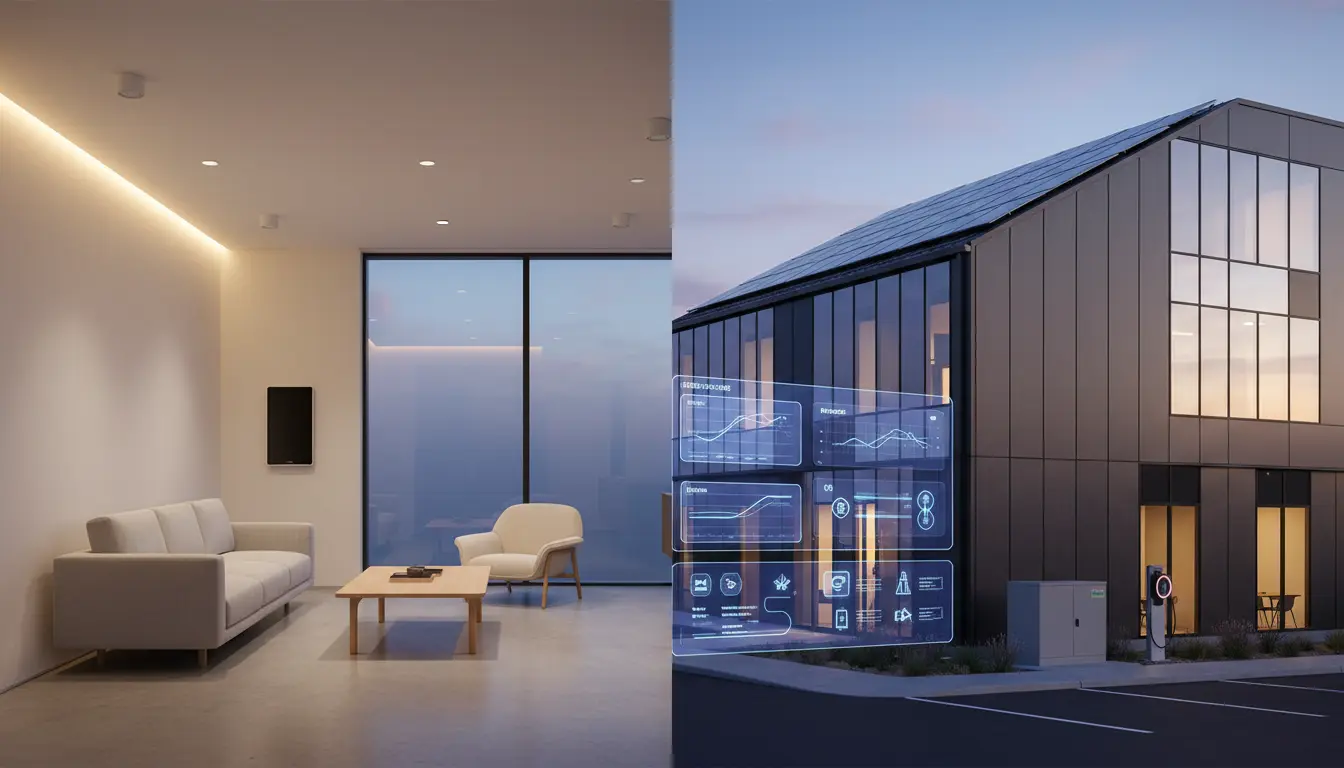
One of the most sophisticated AI innovations is the “Digital Twin.” A digital twin is a virtual replica of a physical building that receives real-time data from IoT sensors. Architects and facility managers use these models to run simulations and identify “energy leaks.”
By testing different scenarios in a virtual environment—such as changing insulation materials or adjusting window tinting—owners can make data-backed decisions about physical upgrades. This ensures that every renovation or adjustment yields the maximum possible energy savings.
Behavioral AI: Empowering the Occupant
Technology alone cannot solve energy waste; human behavior plays a crucial role. AI-powered apps now provide residents with personalized insights into their energy habits. These platforms “disaggregate” energy data, showing exactly how much power the refrigerator, dishwasher, or gaming console uses.
By gamifying energy savings and providing actionable tips, AI encourages users to shift their behavior. Whether it is suggesting the best time to run a laundry cycle or identifying an old appliance that needs replacing, AI acts as a personal energy coach for every household.
Smart Windows and Dynamic Envelopes
The building envelope—the barrier between the interior and exterior—is critical for thermal efficiency. AI now controls “smart glass” that changes its opacity based on the sun’s angle and intensity. During hot summer days, the AI tints the windows to block heat, reducing the load on the AC. In winter, it clears the glass to invite warmth. This dynamic adjustment turns the building’s skin into an active participant in energy conservation.
Conclusion: A Greener Horizon
The marriage of AI and building management is not just a luxury; it is a necessity for a sustainable future. By eliminating human error, predicting mechanical failures, and optimizing every watt of electricity, AI innovations are turning our homes and offices into bastions of efficiency. As these technologies become more accessible, the dream of “Net Zero” buildings moves closer to reality.
Amazon Product Recommendation
Google Nest Learning Thermostat (3rd Generation)
This iconic device is a prime example of AI in action. It learns your schedule and programmed temperatures within a week, automatically saving energy when you are away. Its integration with HVAC systems and mobile devices makes it an essential first step for any smart, energy-efficient home.