
AI-Powered Personalization in Retail: Lessons from Amazon and Its Competitors
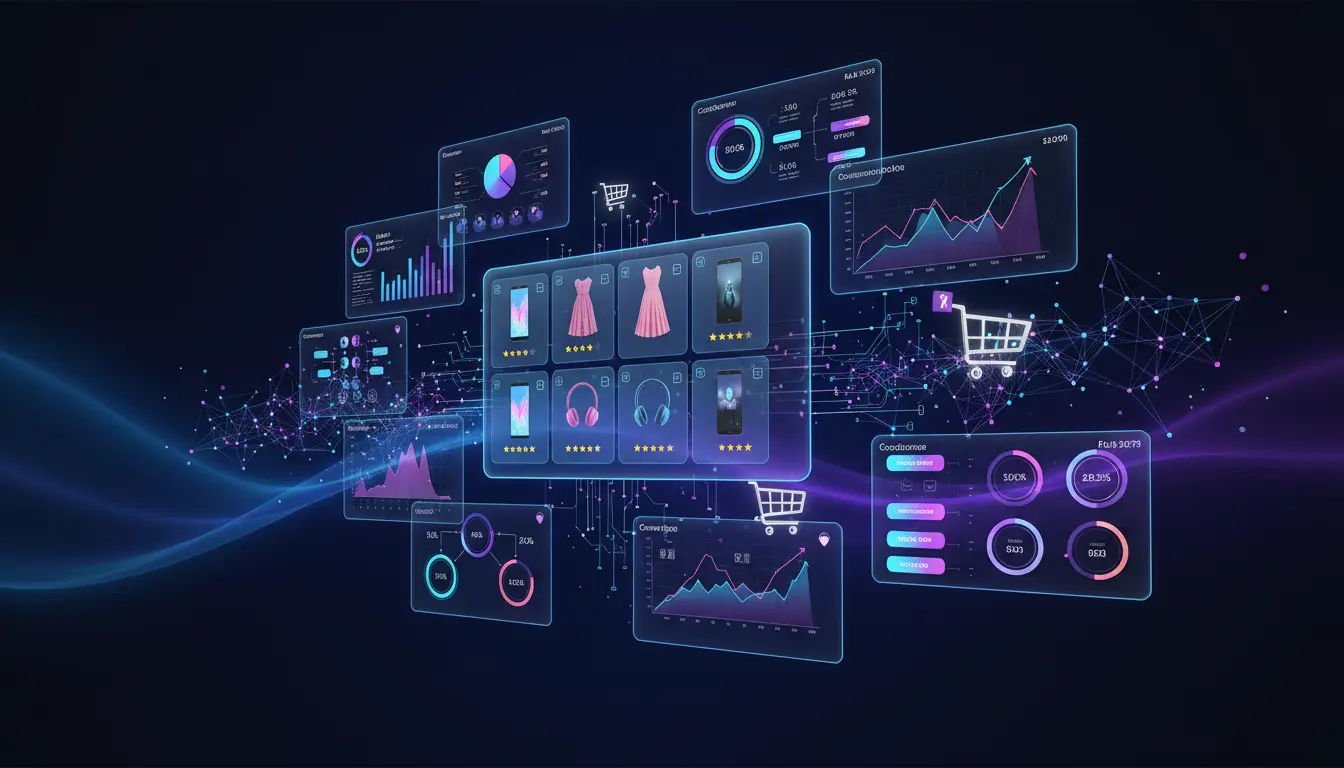
In the last decade, AI-powered personalization has become one of the most transformative forces in the retail industry. Companies that once relied on generic merchandising and broad customer segments are now turning to data-driven algorithms that deliver tailored recommendations, dynamic pricing, and individualized marketing. Among global retailers, Amazon continues to stand out as the benchmark for personalization, setting expectations for the rest of the market. However, competitors such as Walmart, Target, Alibaba, and Shopify are rapidly evolving, leveraging advanced machine learning models to enhance customer engagement and operational efficiency. This article explores how AI-driven personalization reshapes modern retail, what lessons Amazon provides, and how competitors innovate to keep pace.
How Amazon Redefined Personalization Through AI
Amazon’s success in personalization stems from its sophisticated recommendation engine, which analyzes vast amounts of customer behavior data. The company uses collaborative filtering, natural language processing, deep learning, and predictive analytics to deliver product suggestions that feel uniquely relevant to each shopper. More than 35% of Amazon’s sales come from its recommendation engine—an indicator of both effectiveness and scale.
Amazon’s ability to integrate AI across the entire customer journey is one of its strongest advantages. Personalized homepage content, tailored email marketing, dynamic pricing, and inventory forecasting all work together to create a seamless shopping experience. When a customer browses a product, Amazon’s algorithms instantly generate recommendations for complementary products, customer favorites, or trending items in similar categories. This real-time personalization not only increases conversion rates but also strengthens long-term customer loyalty by consistently providing value.
Another powerful strategy Amazon employs is A/B testing at massive scale. By continuously experimenting with recommendation models, Amazon optimizes accuracy, relevance, and user engagement. This iterative approach ensures that the platform stays ahead of changing consumer behaviors and market trends.
What Competitors Are Learning and Improving
While Amazon remains the leader, other retailers have learned valuable lessons and developed their own AI-driven strategies.
Walmart: Personalization at Enterprise Scale
Walmart leverages AI to merge online and in-store customer behavior, producing unified shopper profiles. This enables hyper-personalized promotions, inventory optimization, and location-based recommendations. Walmart’s investment in real-time data processing allows it to respond quickly to trends, offering dynamic product suggestions and predictive restocking—all essential for omnichannel success.
Target: Enhanced Customer Segmentation
Target utilizes customer segmentation models that analyze demographics, purchase frequency, and preferences. AI helps the retailer deliver more targeted product recommendations through its app and loyalty programs. Unlike Amazon’s fully automated approach, Target blends machine learning insights with curated selections created by human merchandisers, offering a balanced and brand-aligned customer experience.
Alibaba: The Powerhouse of E-Commerce Data
Alibaba uses AI to analyze billions of interactions daily across its ecosystem, including Tmall, Taobao, and Alipay. Its personalization engine is deeply integrated with social commerce, live shopping streams, and influencer-driven content. This enables Alibaba to build real-time profiles that evolve with customer intent, allowing personalized product feeds, shopping assistants, and tailored promotions.
Shopify: Empowering Independent Sellers with AI
Shopify democratizes access to AI personalization by offering recommendation tools, automated product tagging, and customer insights to small and mid-sized businesses. Instead of competing directly with Amazon, Shopify empowers merchants to build unique brand experiences with AI-driven apps that enhance personalization without needing enterprise-scale resources.
How AI Improves the Retail Customer Journey
AI-powered personalization affects every stage of the customer journey, making interactions more relevant and intuitive.
1. Discovery
AI helps customers discover products that match their interests through personalized search results, tailored category pages, and dynamic filters. Machine learning models analyze queries, clicks, views, and engagement to refine search accuracy.
2. Consideration
Retailers use AI to highlight customer reviews, upsell opportunities, and comparison tools during consideration. Predictive models estimate which products a customer is most likely to purchase.
3. Purchase
AI-driven checkout optimization reduces friction by predicting preferred payment methods, suggesting delivery options, and offering personalized discounts.
4. Post-Purchase
Retailers extend personalization through automated re-engagement emails, replenishment reminders, and individualized loyalty rewards. These post-purchase strategies significantly boost retention.
Key Lessons Retailers Can Learn from Amazon
Use Customer Data Wisely
Amazon’s success relies on collecting large volumes of behavioral data—but even small retailers can apply similar principles. The key is using the right metrics: browsing patterns, past purchases, cart activity, and search terms.
Iterate Constantly
The personalization systems that succeed are those that evolve continuously. Frequent testing and optimization ensure models stay accurate as customer preferences shift.
Integrate Personalization Across Touchpoints
Amazon ensures every interaction—from homepage to delivery notifications—is personalized. Retailers aiming to compete must adopt an omnichannel perspective.
Make Recommendations Actionable
Personalized content should not just reflect customer interests but also guide them toward meaningful actions such as adding items to cart, exploring new categories, or discovering bundles.
Future Trends in AI-Powered Retail Personalization
As AI evolves, the next wave of retail innovation will focus on:
• Generative AI for product descriptions, styling tips, and shopping assistants
• Hyper-personalized virtual try-ons using AR
• Advanced predictive intent modeling
• Autonomous stores using computer vision
• Real-time personalization based on emotional analytics
Retailers that embrace these innovations will deliver experiences that exceed customer expectations and strengthen brand loyalty.
Amazon Product Recommendation
For readers interested in enhancing their home office setup, one highly rated product on Amazon is the Logitech MX Master 3S Wireless Performance Mouse. It offers precision tracking, customizable buttons, and seamless multi-device connectivity—ideal for professionals optimizing productivity.