
Best Backup Generators for Pennsylvania Winter Power Outages
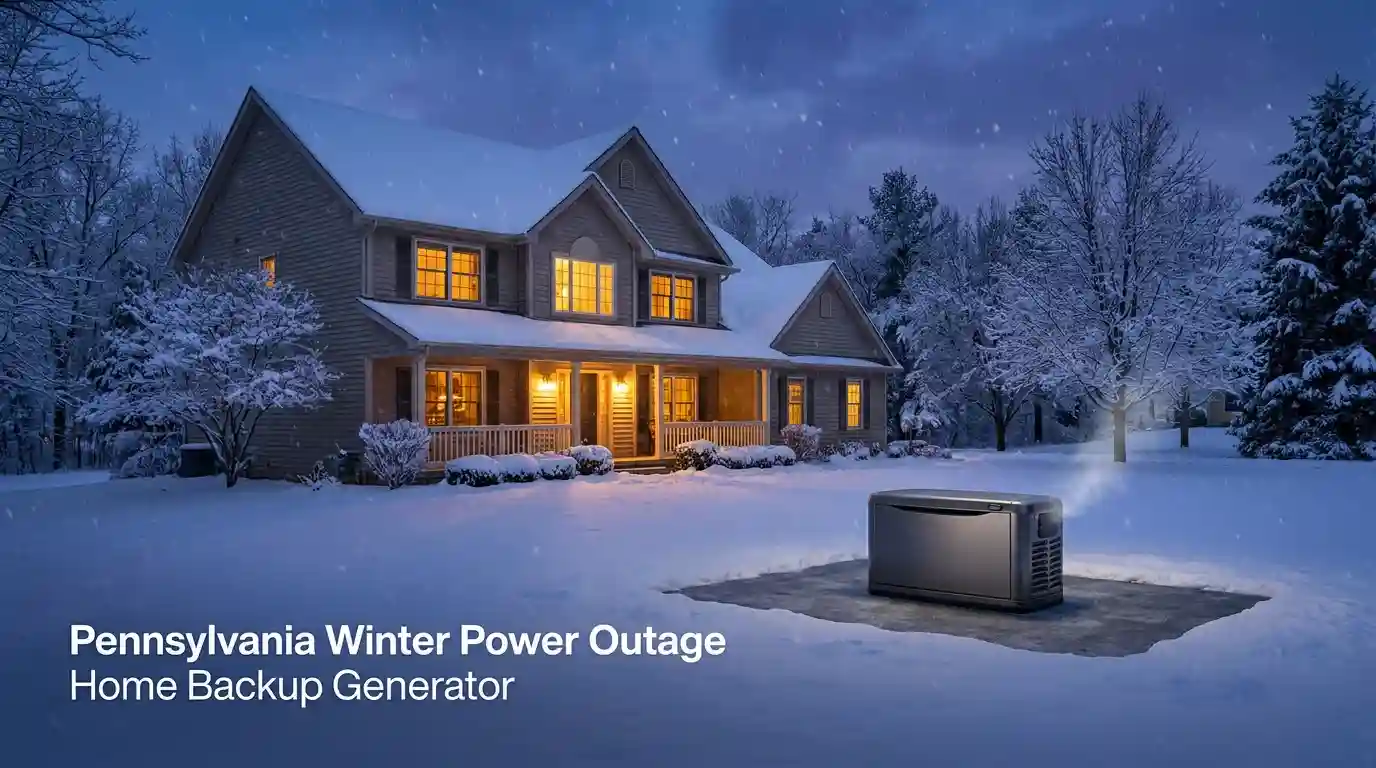
Pennsylvania winters can bring freezing rain, heavy snow, ice accumulation, and strong winds that damage power lines. When the grid fails, families may lose heating support, refrigeration, internet access, lighting, and the ability to charge essential devices. Choosing one of the best backup generators for Pennsylvania winter power outages helps homeowners stay prepared, safe, and comfortable during unpredictable weather.
The right emergency power generator depends on your home’s electrical needs, fuel availability, budget, and outage duration. Some households only need to run a refrigerator, furnace blower, lights, and phone chargers. Others need a whole house generator that supports sump pumps, well pumps, medical equipment, or heating systems. Before buying, homeowners should understand the differences between portable generators, inverter generators, dual fuel generator units, and standby generator systems.
Why Pennsylvania Homes Need Backup Power in Winter
Winter storms can disrupt electricity for hours or even days. Ice-covered tree branches often fall on power lines, while snow and wind can make repairs more difficult for utility crews. In rural Pennsylvania, a long outage can be especially challenging because homes may rely on electric well pumps, septic systems, or fuel-powered heating equipment with electric ignition.
A reliable home backup power solution protects more than convenience. It can help preserve refrigerated food, keep a furnace fan operating, reduce basement flooding risks, and maintain communication during emergencies. A properly sized generator for power outages also gives homeowners flexibility when roads are blocked or local fuel stations lose power.
Choose the Right Generator Type
The best generator type depends on how much electricity you need and how hands-on you want the system to be during an outage.
Portable Generators for Flexible Backup
A portable generator is often the most affordable choice for homeowners who want to power critical appliances. These units can support refrigerators, lights, internet routers, freezers, furnaces, and selected outlets. Many portable generators connect to a transfer switch, allowing you to safely power chosen circuits in your electrical panel.
For winter storm preparedness, look for models with electric start, low-oil shutdown, overload protection, and a carbon monoxide sensor. Cold weather can make pull-start engines harder to operate, so an electric-start generator can save time when you need power quickly.
However, portable units require manual setup, refueling, and safe outdoor placement. Never run a fuel-powered generator inside a home, basement, garage, porch, or enclosed structure.
Inverter Generators for Quiet, Clean Electricity
An inverter generator provides stable power for sensitive electronics such as laptops, phones, routers, televisions, CPAP machines, and battery chargers. These models usually operate more quietly and use fuel more efficiently at lower loads than conventional generators.
A quiet generator works well for homeowners who only need essential backup power and want to reduce neighborhood noise. Most inverter units have lower wattage than large conventional models, so they may not support multiple high-demand appliances at the same time. Still, they are excellent for short outages, apartment-adjacent homes, and essential-device backup plans.
Dual Fuel and Tri-Fuel Generators
A dual fuel generator can run on gasoline and propane. This flexibility matters during a severe winter outage because gasoline stations may be busy, inaccessible, or temporarily closed. Propane stores longer than gasoline when handled and stored correctly, making it a practical emergency fuel option.
A tri-fuel generator adds natural gas capability. If your home already has a suitable natural-gas connection, this can reduce the need for frequent refueling. However, natural-gas output may be lower than gasoline output, and gas service is not guaranteed during every emergency. Homeowners should confirm local installation requirements and use a qualified professional for gas-line connections.
How Much Generator Wattage Do You Need?
The most important step in buying a winter backup generator is calculating your expected electrical load. Start by listing appliances you want to run at the same time. Include both running watts and starting watts, because appliances with motors often need extra electricity when they start.
For example, a basic emergency plan may include a refrigerator, freezer, furnace blower, several LED lights, a router, and phone chargers. A larger household may also need a sump pump, well pump, microwave, garage-door opener, or medical equipment.
As a practical guide:
- 3,000 to 5,000 watts can cover basic essentials with careful load management.
- 6,000 to 8,000 watts can support more critical circuits and selected 240-volt equipment if the generator provides 120/240V output.
- 10,000 watts or more may suit larger homes or broader backup plans, especially when using a generator transfer switch.
Add a safety margin to your calculation instead of choosing a generator that barely meets your estimated load. This extra capacity helps prevent overloads, voltage drops, and repeated breaker trips.
Prioritize Safe Installation and Carbon Monoxide Protection
Generator safety should always come before convenience. Carbon monoxide is colorless and odorless, and generator exhaust can become deadly in enclosed or partially enclosed locations. Place a portable unit outdoors, well away from windows, doors, vents, and air intakes. Use battery-powered carbon monoxide detectors inside the home, including near sleeping areas.
A transfer switch installation offers a safer way to power selected household circuits. It prevents dangerous backfeeding, which can injure utility workers and damage electrical equipment. Never plug a generator directly into a wall outlet or attempt to energize your home panel without approved equipment.
Use heavy-duty outdoor-rated generator extension cords if you are powering appliances directly. Keep cords dry, inspect them for damage, and avoid overloading outlets. You should also store fuel safely, follow manufacturer maintenance instructions, and test your generator before winter arrives.
Best Features for Pennsylvania Winter Conditions
When comparing winter storm generators, prioritize practical features over marketing claims. A durable frame, covered outlets, electric start, wheel kit, cold-weather starting support, and low-oil shutdown can make a major difference during a storm.
Fuel flexibility is equally important. Gasoline remains common, but propane backup can offer a better long-term storage strategy. Homeowners who experience repeated outages may benefit from a standby generator with an automatic transfer switch.
Noise also matters. Check local regulations and consider where the unit will operate without violating safe-clearance requirements. A larger generator may deliver more power, but it can consume more fuel and produce more sound.
Recommended Amazon Product
For homeowners seeking high-output, fuel-flexible backup power, consider the Westinghouse 14,500 Peak Watt Tri-Fuel Home Backup Portable Generator. Amazon lists it with remote electric start, transfer-switch readiness, and gasoline, propane, and natural-gas compatibility. Check current specifications, availability, delivery, and pricing directly on Amazon’s home generators for power outages page.
The best choice ultimately depends on your calculated wattage needs, electrical setup, fuel plan, and safe operating location. By preparing before the first major snowfall, Pennsylvania homeowners can respond to outages with confidence instead of uncertainty.