
Best Backup Generators for Chicago Winter Power Outages
Chicago winter power outages can turn a normal evening into a serious comfort and safety problem. Heavy snow, ice, strong winds, and falling branches can interrupt electricity when households need heat, lighting, refrigeration, and communication most. The best backup generator for a Chicago home is not simply the largest machine available. It is the unit that matches essential loads, fuel access, installation conditions, and the household’s outage plan.
Why Chicago Homes Need a Winter-Focused Backup Plan
Winter weather places special demands on a home generator. A furnace blower, sump pump, refrigerator, freezer, internet equipment, medical devices, and selected lights may become essential during an extended blackout. Cold temperatures also make fuel planning and reliable starting performance more important. An undersized unit can overload when a motor starts, while an oversized system can add unnecessary cost and complexity.
Start by listing the equipment you truly need. Record both running watts and surge watts for motor-driven appliances. Then ask an electrician to assess the electrical panel, grounding, transfer equipment, and local installation requirements. This process turns a vague emergency purchase into a dependable home backup power system.
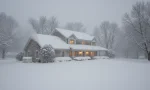
Standby Generators: Best for Automatic Whole-Home Coverage
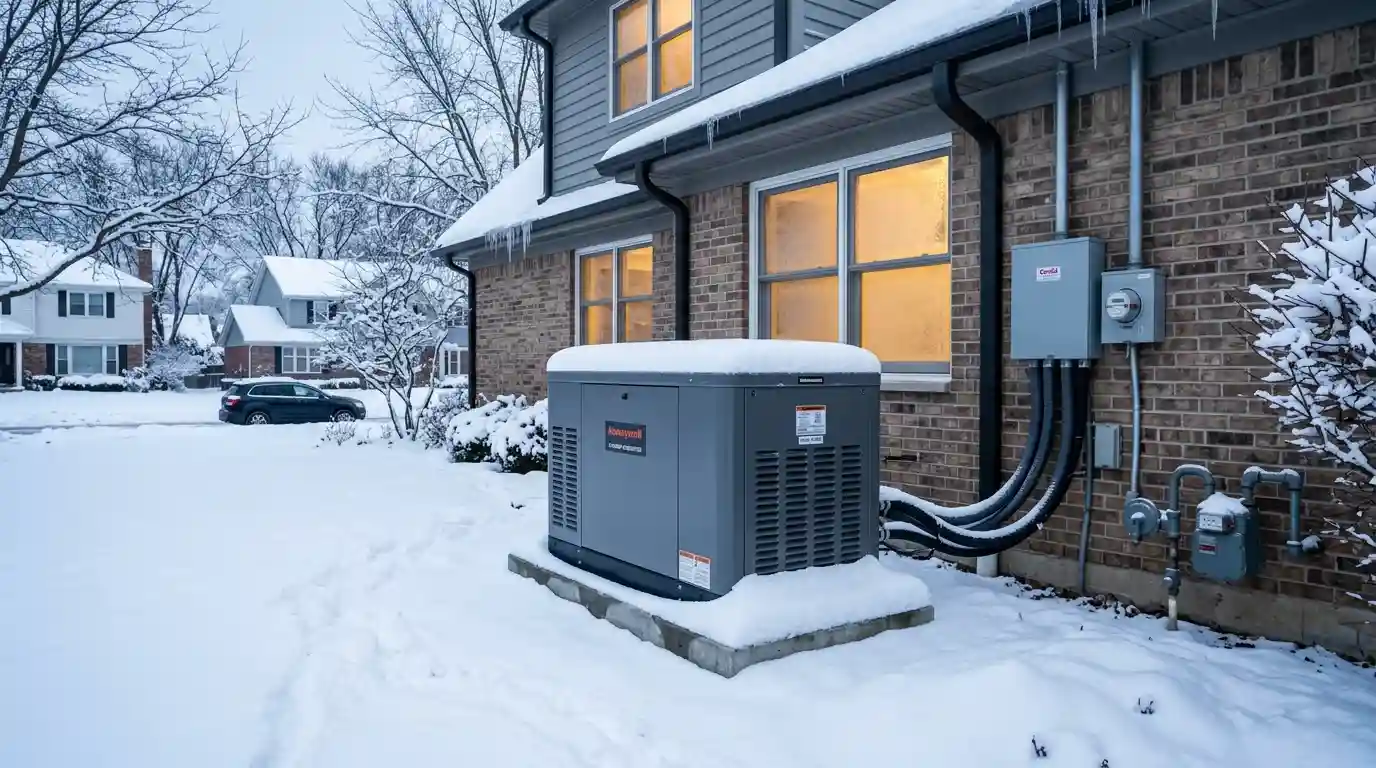
A standby generator offers the most seamless answer for homeowners who want automatic protection. It sits permanently outside, connects to a fuel source, and works with an automatic transfer switch. When utility power fails, the switch isolates the house from the grid and signals the generator to start. When power returns, the system transfers the load back and shuts down according to its settings.
However, permanent systems require professional design and installation. Placement matters because exhaust must remain safely away from doors, windows, vents, and snow accumulation. A qualified installer can determine generator capacity, verify fuel supply, and help select either whole-home coverage or a managed set of priority circuits.
Portable Generators: Flexible Power for Essential Loads
A portable generator suits homeowners who want lower upfront cost and are prepared to operate the equipment manually. These units can run a few selected appliances through heavy-duty outdoor-rated cords or, preferably, a properly installed manual transfer switch or generator inlet. They work well for keeping a refrigerator, furnace blower, sump pump, and selected lighting energized.
Dual fuel generator models give owners useful flexibility because they can operate on gasoline or propane. Propane stores longer than gasoline when handled and stored correctly, while gasoline may be easier to obtain under ordinary conditions. A tri-fuel generator adds natural gas capability, which may simplify longer outages for homes with a suitable connection. Do not assume a portable unit can power every circuit. Build the plan around essential loads and the machine’s rated output.
Inverter Generators: Quieter Power for Electronics and Smaller Needs
An inverter generator produces power through electronics that regulate the output. Many buyers choose this category for quieter operation, portable size, and cleaner power for sensitive electronics. It can be a sensible option for an apartment-compatible emergency kit only when the building rules and safe outdoor operating space allow it. Never operate a fuel-burning generator on a balcony, in a garage, in a basement, near an entry, or anywhere indoors.
Choosing the Right Generator Size
Generator sizing determines whether the backup system feels dependable or frustrating. Add the running wattage of items that will operate together. Next, include the highest starting surge likely to occur at the same time. Heating equipment varies widely, so verify the electrical demand of the furnace or boiler components rather than estimating. Central air conditioning usually does not belong in a winter-only emergency plan, but sump pumps and well pumps may require substantial startup power.
A load calculation helps you avoid two common errors: buying too little capacity and trying to run too many appliances. Prioritize heat-related equipment, food preservation, water management, phone charging, and a few lights. Then create a simple circuit schedule so family members know what to turn on first during a Chicago blackout.
Cold-Weather Features That Matter
Look for electric start, a battery-maintenance plan, durable weather protection, and clear low-oil shutdown features. Remote start may add convenience, but it never replaces safe placement and inspection. For portable equipment, select sturdy wheels and handles that can move over snow-free, stable ground. Keep the exhaust area clear after snowfall, but do not build an enclosure that traps dangerous fumes.
Safe Generator Installation and Operation
Never connect a generator directly to a household outlet. This dangerous practice, often called backfeeding, can energize utility lines and harm utility workers or neighbors. Use a listed transfer switch or generator interlock installed by a qualified electrician. It protects the home wiring and gives you a clear, controlled way to power selected circuits.
Operate portable generators outdoors in a dry location with ample airflow. Position them far from openings and follow the manufacturer’s clearance instructions. Install working carbon monoxide alarms on every appropriate level of the home, test them regularly, and treat an alarm as an emergency. Keep extension cords rated for outdoor use and inspect them for damage before each season.
Maintenance Turns Equipment Into Reliable Backup Power
Before each forecasted storm, check fuel, oil, battery condition, cords, alarms, and the route to the generator. Clear snow and ice from the planned operating area without placing the machine near the home. Keep flashlights, batteries, drinking water, and a written household contact plan ready as well. A generator supports resilience; it does not replace basic emergency preparation.
Making the Smart Chicago Generator Decision
The best backup generator for Chicago winter power outages matches your real needs instead of a marketing slogan. Choose a standby system when automatic, broader coverage and professionally installed fuel access justify the investment. Choose a portable dual-fuel or tri-fuel model when you can manage fuel, setup, and essential circuits safely. Choose an inverter generator when quiet, limited-load backup and portability lead your priorities.
Follow every manufacturer instruction. With a generator and a practiced plan, Chicago households can protect comfort and communication when winter weather interrupts the grid reliably.
Amazon Product Recommendation
Westinghouse 14,500 Peak Watt Tri-Fuel Home Backup Portable Generator — transfer-switch ready, with gasoline, propane, and natural-gas fuel options.