
Best Home EV Chargers in Florida: Level 2 Installation Tips and Buyer’s Guide
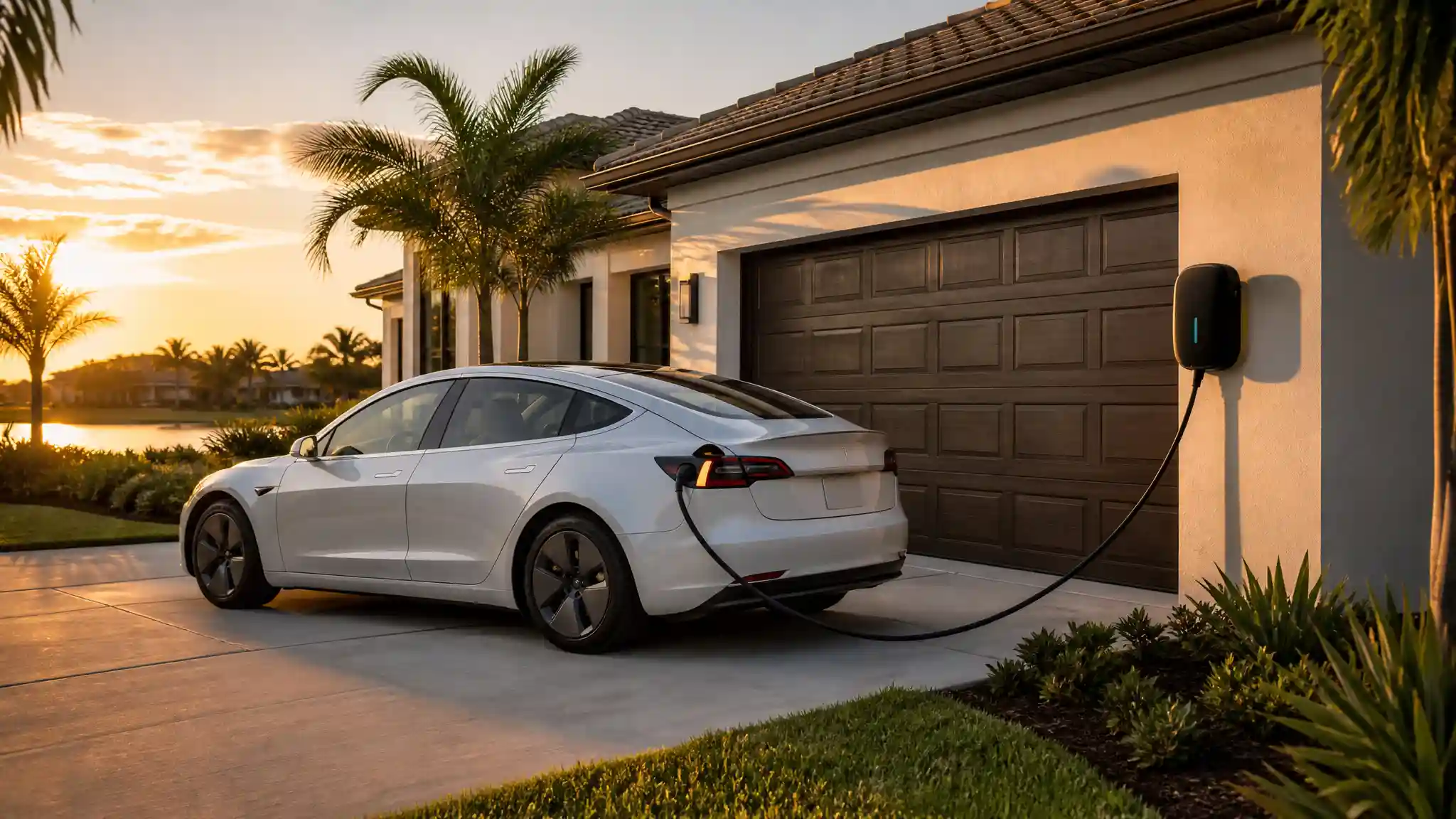
Driving an electric vehicle along the Sunshine State’s coastal highways delivers unmatched driving pleasure, yet dependable home charging remains the cornerstone of every seamless EV journey. Relying solely on standard 120-volt wall outlets tests anyone’s patience, often taking over twenty-four hours to replenish a depleted battery pack. Installing a dedicated Level 2 EV charger at your Florida residence slashes charging durations, optimizes home energy efficiency, and ensures your vehicle stands ready for daily commutes or weekend trips down to the Florida Keys.
Florida presents unique environmental dynamics, ranging from intense subtropical humidity and scorching afternoon heat to sudden severe thunderstorms and hurricane seasons. Choosing the right residential charging unit and executing a safe, code-compliant installation requires specialized knowledge tailored to local electrical infrastructure and climatic conditions.
Why Upgrading to a Level 2 Home EV Charger Matters
Standard Level 1 charging cords supply roughly 3 to 5 miles of range per hour of charge. In sharp contrast, a 240-volt Level 2 electric vehicle supply equipment system delivers between 25 and 45 miles of range per charging hour, depending on your vehicle’s onboard acceptance rate and the charging unit’s amperage.
A dedicated residential Level 2 station allows drivers to tap into off-peak utility rates offered by Florida power providers such as Florida Power & Light and Duke Energy. Modern smart chargers enable automated charging schedules during late-night windows when regional electricity grid demand drops, lowering monthly utility bills while maintaining a full battery every morning.
Essential Level 2 Installation Tips for Florida Homeowners
Executing a smooth Level 2 charger installation demands meticulous planning, strict adherence to the National Electrical Code, and respect for Florida’s severe weather patterns.
1. Evaluate Your Home Electrical Panel Capacity
Before purchasing any home charging hardware, inspect your main service panel. Older Florida homes, particularly those constructed prior to 1990, frequently feature 100-amp or 150-amp electrical panels. A high-output Level 2 charger pulling 40 to 48 continuous amps requires a dedicated 50-amp or 60-amp double-pole circuit breaker. Continuous electrical loads demand an 80 percent safety margin, meaning a 48-amp charging load necessitates a 60-amp breaker. Consult a licensed Florida electrical contractor to perform a comprehensive load calculation to determine whether your service panel accommodates the extra draw or requires a service upgrade to 200 amps.
2. Choose Between Hardwired Units and NEMA Plugs
Homeowners generally select between a permanent hardwired configuration and a plug-in setup utilizing a NEMA 14-50 or NEMA 6-50 electrical receptacle. While a 240V plug-in installation offers portability when moving residences, hardwired connections deliver maximum power delivery up to 48 amps or higher and eliminate extra points of failure. Furthermore, recent electrical codes mandate ground fault circuit interrupter breakers on garage receptacles, which occasionally trigger nuisance tripping when paired with EV chargers that feature built-in GFCI circuitry. Hardwiring bypasses this specific conflict entirely.
3. Prioritize Weatherproofing and NEMA Enclosure Ratings
Florida’s torrential downpours, salty coastal air, and ambient garage heat demand rugged hardware. If you plan an outdoor carport or driveway installation, select an electric car charging unit housed in a NEMA 4 or NEMA 4X enclosure. These weatherproof casings shield sensitive internal circuit boards against driving rain, blowing dust, sleet, and corrosion. Even inside attached garages, ambient temperatures climb dramatically during summer months; therefore, choose units with integrated thermal management and derating safeguards that prevent overheating.
4. Install Whole-Home Surge Protection
Lightning strikes occur more frequently in Central and South Florida than almost anywhere else in North America. Intense electrical surges traveling through utility lines easily destroy sophisticated electric vehicle electronics and charging station motherboards. Equip your main breaker panel with a robust Type 2 surge protective device to defend your charging equipment, home appliances, and vehicle battery investment.
5. Secure Permits and Explore Utility Rebates
Always pull the necessary municipal electrical permits before beginning work. Permitted installations preserve home insurance validity, verify code compliance, and qualify you for valuable local utility incentives. Multiple Florida utilities provide EVSE equipment rebates or discounted residential charging rates for participating customers who install qualified smart charging stations.
Key Features to Look for in Florida EV Charging Stations
When evaluating market options, verify that the charging device holds UL or ETL safety certifications. Look for flexible, premium cable construction that remains pliable and resistant to cracking under intense UV radiation. Robust smart connectivity via Wi-Fi allows seamless smartphone app control, enabling real-time charging metrics tracking, scheduled departure times, and energy consumption monitoring. Cable management accessories and sturdy holster docks also keep charging couplers off damp concrete garage floors, preventing premature connector wear.
Top Recommended Product on Amazon.com
For Florida homeowners seeking exceptional reliability, durability, and smart energy tracking, the ChargePoint Home Flex Level 2 EV Charger stands out as a premier solution available on Amazon.com. This versatile, Energy Star certified station supports flexible amperage settings from 16 to 50 amps, enabling up to 37 miles of added range per hour. It features a robust NEMA 3R weatherproof enclosure suitable for indoor or outdoor installations, a cold-and-heat resistant 23-foot charging cable, and seamless integration with the ChargePoint mobile app for scheduling and utility cost tracking.
Summary
Investing in a high-caliber Level 2 home charging system transforms your EV ownership experience across Florida. By hiring a licensed electrician, verifying electrical panel headroom, selecting weather-resistant charging hardware, and adding surge protection, you safeguard your property and maximize energy efficiency for years of smooth, sustainable driving.