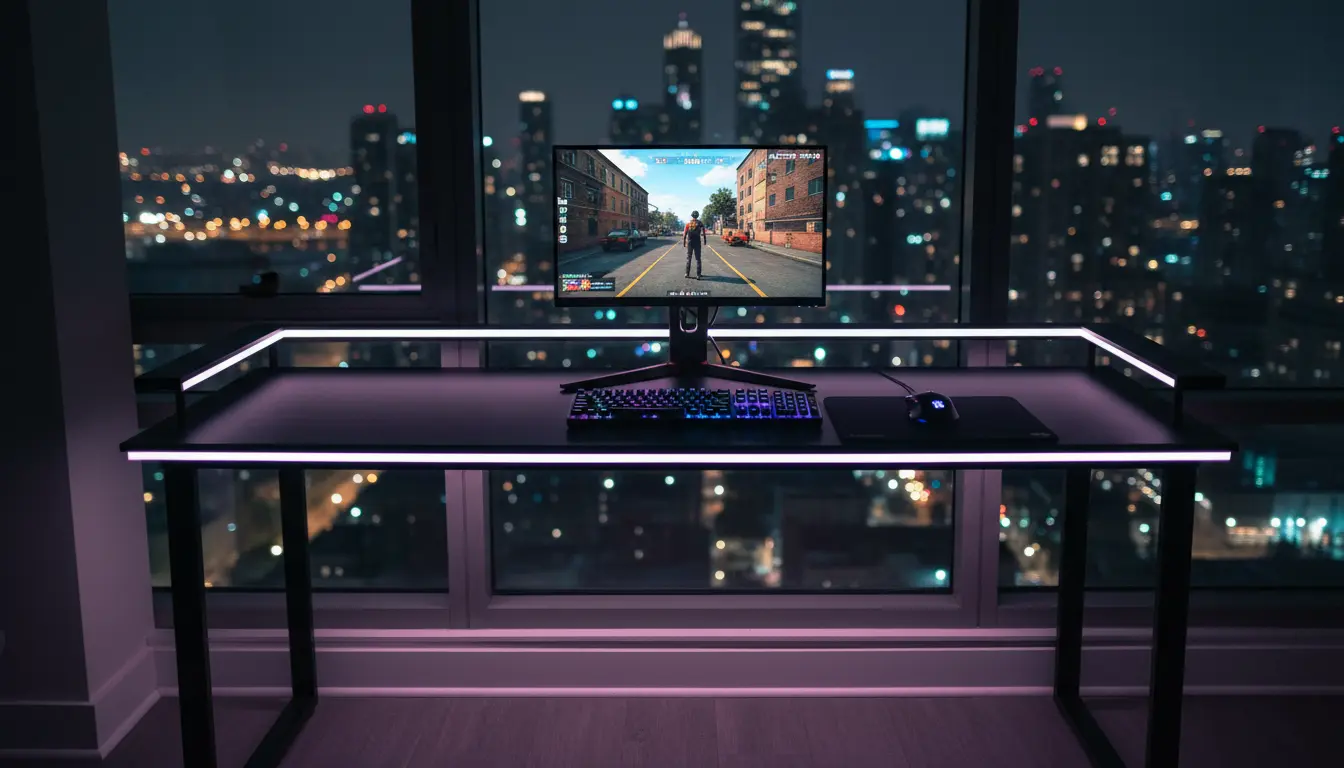

Best Gaming Monitors for Esports Enthusiasts in Chicago
Esports is booming in Chicago. From local LAN centers to college arenas and packed bars hosting watch parties, more players than ever are looking for a competitive edge. One of the most important upgrades you can make is your gaming monitor. A powerful graphics card is great, but if your display can’t keep up, you will still miss shots and lose crucial frames. This guide will walk you through how to choose the best gaming monitor for esports enthusiasts in Chicago and highlight a recommended product you can find on Amazon.
Why Esports Players in Chicago Need a High‑Performance Monitor
Esports titles like Valorant, CS2, League of Legends, and Fortnite demand fast reflexes and precise aim. In competitive scenarios, every millisecond matters. A high refresh rate gaming monitor with low input lag helps you react faster to opponents and see on‑screen action more clearly.
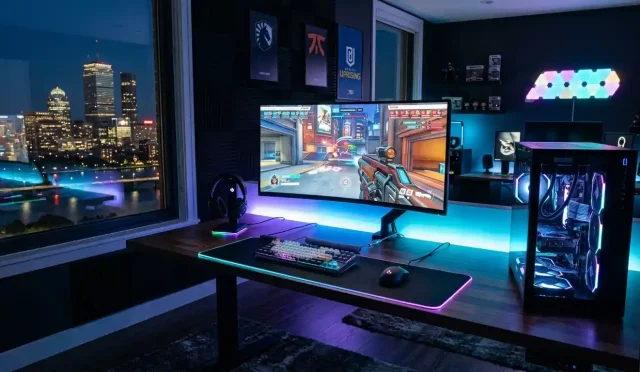
Chicago players also face a wide range of setups: small apartments, dorm rooms, and shared spaces. This makes choosing the right screen size and resolution especially important. A well‑chosen esports gaming monitor will give you sharp visuals without overwhelming your desk or forcing you to sit too close.
Key Features to Look for in a Gaming Monitor
1. Refresh Rate
For esports, refresh rate is non‑negotiable. A standard 60Hz monitor refreshes the image 60 times per second, but modern competitive gaming monitors go far beyond that.
- 144Hz: Minimum standard for competitive play
- 165Hz – 180Hz: Smooth and responsive for most players
- 240Hz and 360Hz: Ideal for high‑level and pro‑level esports players
When you play on a 240Hz esports monitor, motion appears smoother, and you can track fast‑moving targets more accurately. In crowded gunfights, this extra clarity can easily translate into more wins.
2. Response Time and Input Lag
Response time measures how quickly pixels change from one color to another. For esports, look for:
- 1ms GtG (gray‑to‑gray) or lower
- Low input lag (often measured in independent reviews)
A fast response time gaming monitor reduces ghosting and motion blur, making it easier to see enemies when you flick or strafe. Combined with low input lag, your actions feel directly connected to the screen with almost no delay.
3. Resolution and Screen Size
Esports titles often favor frame rate over ultra‑high resolution. Many competitive players in Chicago still prefer 1080p because it’s easier to hit high frame rates.
- 24–25 inch, 1080p (Full HD): Classic esports gaming monitor setup; great for desk‑level play and eye tracking across the screen
- 27 inch, 1440p (QHD): Good compromise if you play both competitive and cinematic games, and have a powerful GPU
- Large ultrawide displays: Better for immersive single‑player or sim racing, but less common in high‑stakes esports tournaments
For pure competition, a 24.5‑inch 1080p display is often the sweet spot.
4. Panel Type: TN vs IPS vs VA
Each panel technology offers different benefits:
- TN panels:
- Typically the fastest response times
- Ideal for pure competitive performance
- Weaker viewing angles and color accuracy
- IPS panels:
- Excellent colors and viewing angles
- Modern IPS gaming monitors now reach 240Hz and beyond
- Great if you want both esports performance and vibrant visuals
- VA panels:
- Deep contrast and good for dark scenes
- Response times not always as fast as TN or top‑tier IPS
For most Chicago esports gamers today, a 240Hz IPS esports monitor offers the best mix of color quality and speed.
5. Adaptive Sync: G‑Sync and FreeSync
Screen tearing is distracting in fast shooters. Adaptive sync technologies like NVIDIA G‑Sync and AMD FreeSync match your monitor’s refresh rate to your frame rate to eliminate tearing and stuttering.
If you use an NVIDIA graphics card, choose a G‑Sync compatible gaming monitor. For AMD GPUs, look for FreeSync Premium. Many modern models support both technologies to some extent, giving you flexibility if you upgrade hardware later.
Practical Considerations for Chicago Esports Enthusiasts
1. Room Lighting and Glare
Chicago apartments and condos often have large windows that can cause glare. Look for:
- Matte screen coatings to reduce reflections
- Higher brightness levels (300 nits or more) to combat daylight
- Adjustable stands so you can tilt and pivot away from direct light
A well‑lit screen helps you spot enemies in dark corners without straining your eyes during long practice sessions.
2. Desk Space and Ergonomics
In dense urban areas, desk space is limited. A slim‑bezel 24‑inch esports monitor fits easily into tighter setups and still provides enough screen real estate for competitive games. Make sure the monitor includes:
- Height adjustment
- Tilt and swivel
- VESA mount compatibility if you use monitor arms
Good ergonomics can reduce neck and back strain during extended scrims or ranked grinds.
3. Competitive Play at Local Chicago Venues
If you attend local tournaments or LAN events in Chicago, it helps to practice on a monitor similar to what organizers use. Most venues rely on 24‑ or 25‑inch, 1080p, 240Hz esports monitors. Training on a comparable display at home makes it easier to transition to on‑site events and maintain consistent muscle memory.
How to Optimize Your Monitor for Esports Performance
Buying the right display is step one; setting it up properly is just as important.
- Use the Correct Refresh Rate Setting
- In Windows or your OS, set the refresh rate to the monitor’s maximum (144Hz, 240Hz, etc.).
- In each game, select the same refresh rate in video settings.
- Enable Gaming Mode or Esports Mode
Many competitive gaming monitors include presets that reduce input lag and disable unnecessary processing. Start with an esports mode and make small adjustments to brightness and color. - Turn Off Excessive Motion Blur Reduction (If Needed)
Some blur reduction features can darken the display or add flicker. Test them in your favorite titles and disable them if they make tracking targets harder instead of easier. - Fine‑Tune Color and Black Equalizer
Use a color accurate gaming monitor profile or a built‑in “FPS” mode to brighten dark areas without washing out the picture. This can help you spot opponents hiding in shadows—especially on night‑time maps. - Pair with a Capable PC
Even the best esports monitor can’t shine if your frame rate is too low. Adjust in‑game settings to consistently hit high FPS that match or exceed your refresh rate.
Recommended Esports Gaming Monitor on Amazon
One popular option that fits the needs of many Chicago esports players is the BenQ ZOWIE XL2546K 24.5‑inch 240Hz Gaming Monitor, available on Amazon.com.
Key reasons it stands out for competitive play:
- 24.5‑inch 1080p panel tailored for esports
- 240Hz refresh rate and 1ms response time for ultra‑smooth motion
- DyAc+ blur reduction technology to keep fast action sharp
- Esports‑focused design and stand with excellent height, tilt, and swivel adjustments
- Widely used in professional tournaments, making it easier to train on the same style of display
This model offers a pure competitive experience and works well in typical Chicago living spaces, whether you’re grinding ranked in your bedroom or preparing for the next local LAN.