
Best Wearable Technologies for Daily Life: From Fitness to Productivity
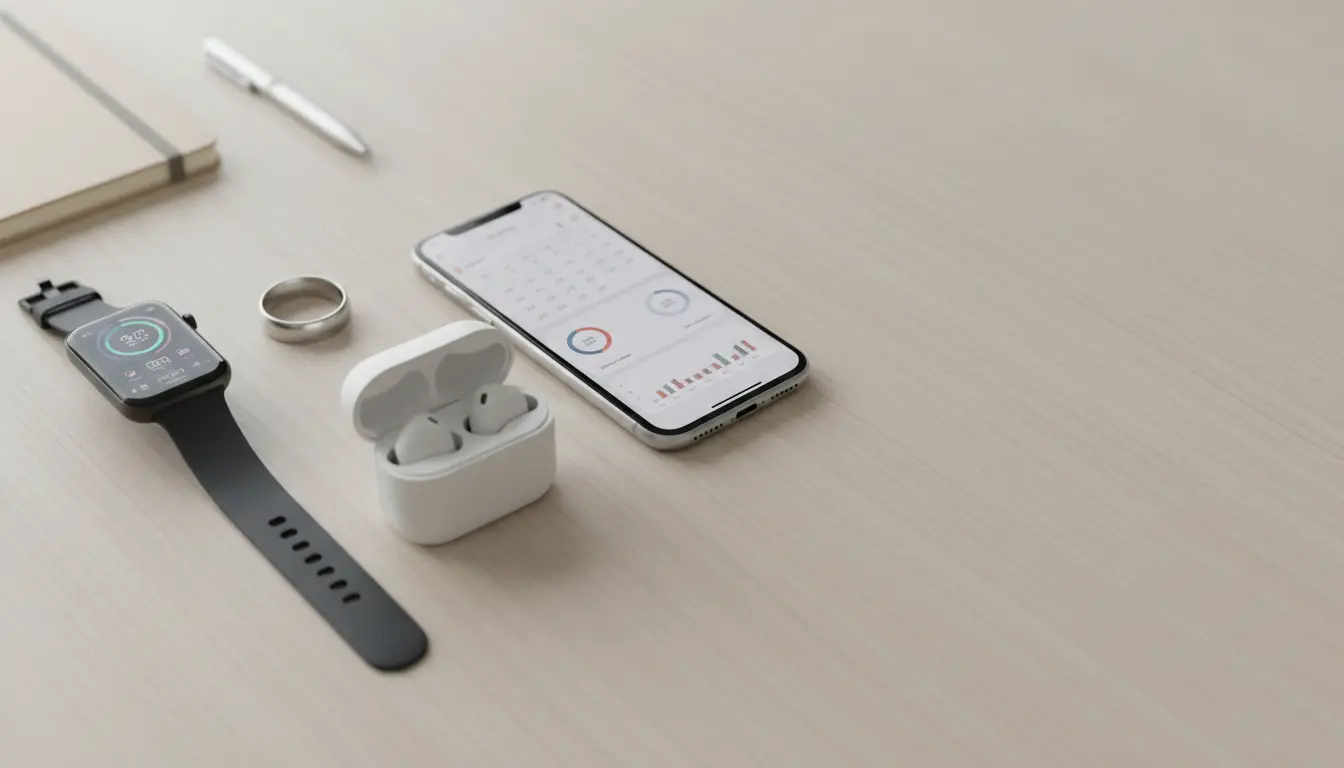
Wearable technology has moved far beyond step counters and gimmicky gadgets. Today, the best wearables help you manage your health, protect your time, and streamline small daily decisions—often without you noticing they’re working. If you choose the right device, it can support your routines from morning workouts to focused work blocks, meetings, errands, and even sleep.
In this guide, you’ll learn which wearable technologies fit real everyday needs. You’ll also see how to pick wearables based on your goals—fitness, productivity, wellness, safety, and convenience—without falling into feature overload. The key is simple: buy a wearable that matches your lifestyle, not one that forces you to change it.
Why Wearable Tech Matters in Everyday Life
Daily life is full of micro-moments: checking the time, scanning notifications, tracking movement, remembering tasks, navigating streets, and making quick health choices. Wearables reduce friction in these moments.
A well-chosen wearable can:
- Track your activity automatically and encourage consistency
- Turn passive data (sleep, heart rate, stress) into actionable habits
- Reduce phone dependency by moving key actions to your wrist or finger
- Support productivity through reminders, timers, and quick replies
- Improve safety with emergency alerts and location sharing
- Make wellness measurable without becoming obsessive
The best part is that modern wearables often integrate smoothly with smartphones, calendars, and health apps, so you don’t have to rebuild your system from scratch.
1) Smartwatches: The Everyday Control Center
If you want one wearable that can do “a bit of everything,” a smartwatch usually wins. It combines fitness tracking, notifications, calls, quick messages, alarms, and often basic navigation. Many people use a smartwatch as a filter: it shows important alerts while helping you ignore the rest.
A smartwatch supports daily life in practical ways:
- You read notifications without unlocking your phone
- You control music or podcasts while walking or working out
- You use timers for cooking, deep work, or habit loops
- You track workouts without carrying your phone
- You stay consistent with movement prompts and recovery insights
To get the most value, focus on three things: battery life, comfort, and software ecosystem. A smartwatch that fits your phone platform and feels good on your wrist will actually get worn.
Daily-life tip: Turn off most app notifications and keep only calls, messages, calendar alerts, and health reminders. You’ll feel the productivity boost immediately.
2) Fitness Trackers: Simple, Light, and Habit-Friendly
Fitness trackers often outperform smartwatches in one area: simplicity. They usually last longer on a charge, feel lighter, and emphasize essential metrics like steps, heart rate, sleep, and workouts.
A fitness tracker works best if you:
- Want consistent activity tracking without distraction
- Prefer a slimmer device than a full smartwatch
- Need longer battery life for travel or busy weeks
- Want a lower-cost entry into wearable technology
Fitness trackers can still power serious fitness goals. They track training sessions, estimate calorie burn, and monitor recovery patterns. More importantly, they help you maintain habits. Consistency beats intensity when daily life gets busy.
Daily-life tip: Set one “minimum movement” goal (like a short walk) and use the tracker to protect that baseline on stressful days.
3) Smart Rings: Quiet Health Tracking Without Screen Time
Smart rings have become a strong option for people who want health data without a constant wrist display. A ring tracks key metrics in the background, often with impressive comfort—especially during sleep.
A smart ring can help you:
- Monitor sleep quality and recovery trends
- Track resting heart rate and general wellness
- Reduce phone-checking behavior by avoiding a screen
- Keep wearable tracking discreet in professional settings
Smart rings also work well for people who dislike sleeping with a watch. If you want deeper sleep insights, a ring often becomes the most “set it and forget it” wearable.
Daily-life tip: Use ring-based sleep insights to set a realistic bedtime window, not a perfect bedtime. Small improvements compound fast.
4) Wireless Earbuds with Smart Features: Hands-Free Productivity
Earbuds count as wearable tech too—especially models that include noise cancellation, transparency mode, and voice assistant support. For daily productivity, earbuds can be as valuable as a smartwatch.
They help you:
- Reduce distractions in open offices or public spaces
- Take calls while walking or doing chores
- Listen to audiobooks or learning content during commutes
- Use voice commands for reminders and quick tasks
- Stay focused with soundscapes and concentration playlists
Noise cancellation improves attention, but transparency mode keeps you safe when you need awareness outdoors. The ability to switch between the two makes earbuds genuinely useful for daily life.
Daily-life tip: Create one playlist for deep work and one for low-energy tasks. Your brain will associate each sound with a mode and switch faster.
5) AR Smart Glasses (and “Audio Glasses”): Context Without Constant Phone Use
Smart glasses are evolving. Some models focus on audio and hands-free calls, while others add cameras, lightweight AI features, or navigation prompts. For everyday life, the most practical versions still emphasize convenience over flashy visuals.
You can use smart glasses to:
- Get audio directions while walking or cycling
- Listen to calls and messages without holding a phone
- Capture quick photos or short clips (when appropriate)
- Reduce screen time while staying connected
This category still requires careful buying decisions. Comfort, battery life, privacy concerns, and local regulations matter. If you want subtle productivity, “audio-first” glasses are often the most realistic daily choice.
Daily-life tip: Use smart glasses only for one or two use cases (navigation + calls, for example). Focus creates long-term satisfaction.
6) Wearable Health and Safety Features: Peace of Mind That Actually Helps
Many wearables now include safety tools that can make a real difference. Features vary by brand and region, but common examples include fall detection, emergency SOS, irregular heart rhythm alerts, and location sharing.
These tools matter most if you:
- Live alone or travel frequently
- Do outdoor workouts or hikes
- Support older family members
- Want quick emergency access without reaching for a phone
Safety features work best when you configure them. Add emergency contacts, enable location permissions if needed, and test the SOS shortcut at least once.
Daily-life tip: Treat safety setup like seatbelt setup—do it once, do it correctly, and forget it until you need it.
How to Choose the Right Wearable for Your Lifestyle
Wearables often disappoint when people buy them based on hype instead of daily routines. Use a goal-first approach:
If your priority is fitness consistency
Choose a fitness tracker or smartwatch with reliable heart rate tracking, workout detection, and comfortable straps.
If your priority is productivity and time control
Choose a smartwatch for notifications, calendar prompts, timers, and quick replies. Pair it with earbuds for deep focus and calls.
If your priority is sleep and recovery
Choose a smart ring or a smartwatch known for strong sleep tracking. Prioritize comfort and battery life.
If your priority is reducing screen time
Choose a smart ring (no screen) and configure your phone notifications. Use earbuds for audio-only workflows.
If your priority is budget and value
Start with a mid-range fitness tracker. If you wear it every day for 60 days, then upgrade intentionally.
Practical Habits That Make Wearables More Useful
Wearables provide data, but habits create outcomes. To keep things organic and sustainable, do these:
- Track fewer metrics. Pick 2–3 numbers that matter (sleep, steps, workouts).
- Set “minimum goals.” Minimums prevent all-or-nothing thinking.
- Use reminders sparingly. Too many alerts create burnout.
- Review weekly, not hourly. Trends beat daily fluctuations.
- Link actions to triggers. Example: “After brushing teeth, start a 10-minute walk timer.”
When you treat wearable insights like gentle guidance—not judgment—you’ll stick with the device and get long-term benefits.
Common Mistakes to Avoid
- Buying the most expensive wearable without a clear use case
- Leaving all notifications on and getting distracted
- Expecting perfect accuracy in every metric
- Ignoring comfort (if it annoys you, you won’t wear it)
- Using data to punish yourself instead of adjusting habits
Wearables should support your life. They should not become a second job.
For a high-performance all-in-one solution, I highly recommend the Apple Watch Series 11 [GPS 42mm].
It is the perfect companion for daily life because it seamlessly bridges the gap between fitness and productivity. With its advanced Health Monitoring and Sleep Score features, you can track your wellness with medical-grade precision. The Always-On Display and Jet Black Aluminum design ensure it looks professional in meetings while remaining durable and water-resistant for your toughest workouts.
If you use an iPhone, this is the most organic and powerful wearable to streamline your schedule and protect your health.