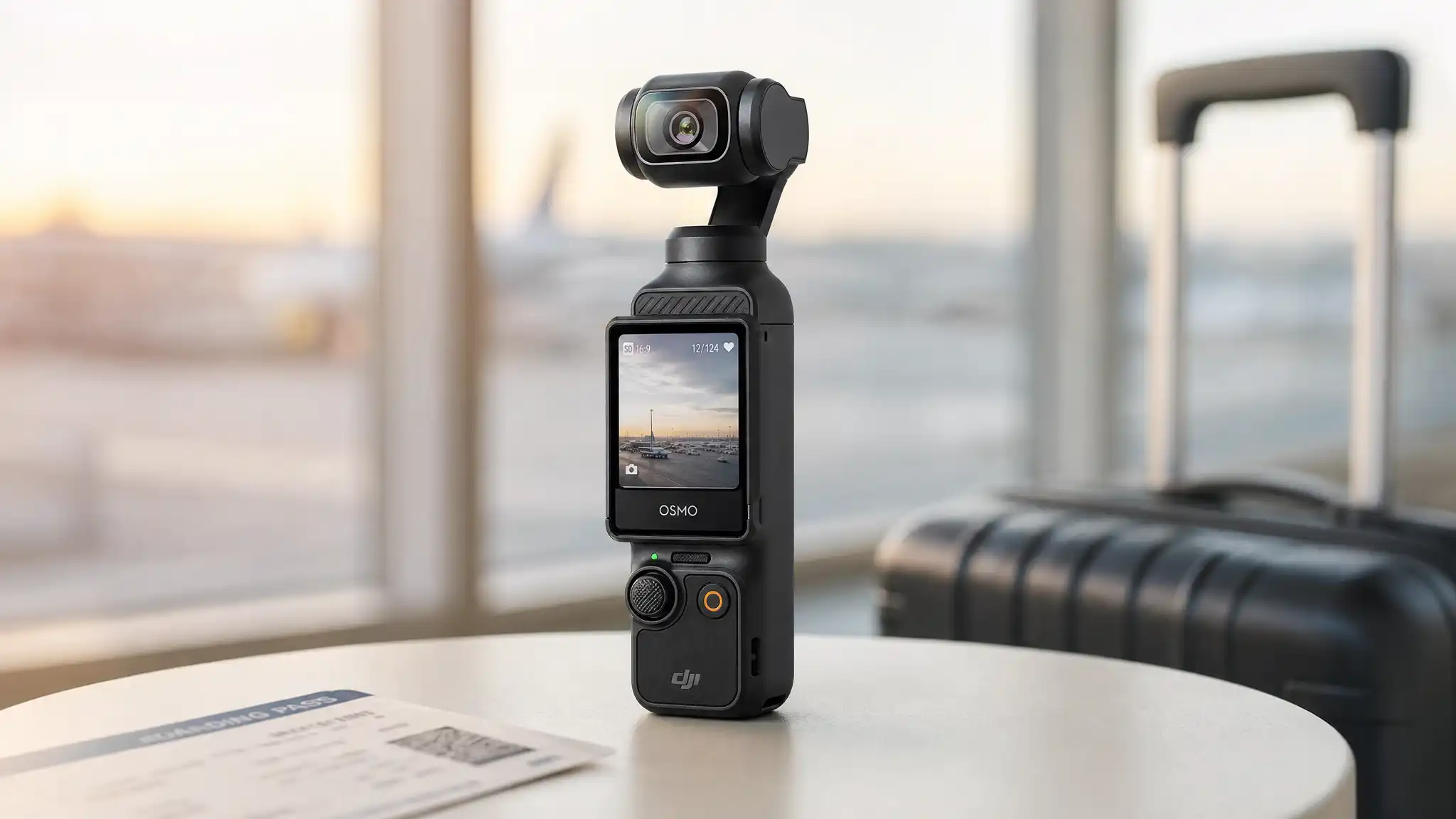

DJI Osmo Pocket 4 Review: Is It Still the Best Vlogging Camera for Travel?
Travel vlogging is brutal on gear. You shoot in airports, crowded streets, dim cafés, windy viewpoints, and fast-changing light. A “great” camera that stays in your bag is useless. That’s why the DJI Osmo Pocket series built such a loyal following: it removes friction. You pull it out, flip the screen, and start filming stabilized footage immediately.
So, does the DJI Osmo Pocket 4 still earn the title of best travel vlogging camera? For most travelers who want high-quality stabilized video in a tiny setup, yes. It’s not perfect, and it’s not an action cam. But it remains one of the most travel-friendly ways to capture clean, cinematic-looking footage without carrying a full camera rig.
What Makes the Pocket 4 Different (and Better) for Travelers
DJI didn’t try to reinvent the concept. Instead, they polished the parts that matter in real-world travel.
1) Better low light performance for real trips, not studio tests
Travel rarely gives you perfect lighting. Night markets, hotel rooms, subway platforms, evening walks—these scenes punish small cameras. Pocket 4 aims to deliver cleaner shadows, more usable detail, and better highlight control in challenging light. In practice, you’ll notice fewer “muddy” areas and more natural tones when the sun goes down.
2) 10-bit D-Log for creators who color grade
If you enjoy editing, the Pocket 4 becomes more than a point-and-shoot vlogging camera. 10-bit D-Log gives you extra flexibility to shape color, protect highlights, and keep skin tones consistent across different locations. That means you can shoot bright beaches and shaded alleyways in the same day and still match everything into one coherent travel film.
3) Built-in film tones for faster, organic-looking edits
Not everyone wants to color grade footage on the road. Pocket 4 includes film tones that let you bake a mood into your footage quickly—useful when you want to post the same day and keep your workflow simple. The result can feel more “intentional” than standard phone color, while still staying natural if you avoid pushing the intensity too far.
4) Onboard storage that reduces travel stress
One of the most practical upgrades is built-in internal storage. That’s a travel win: fewer microSD card problems, less dependency on buying extra cards, and fewer tiny items to lose. If you’ve ever landed in a new country and realized your memory card reader is missing, you’ll understand why this matters.
5) Improved controls for quick shooting
Travel scenes are fast. You don’t always have two hands or a second take. Pocket 4’s control improvements are designed to help you react quickly—especially when you want to switch framing, punch in with zoom, or lock a shot without digging through menus.
Design and Portability: Still the Main Advantage
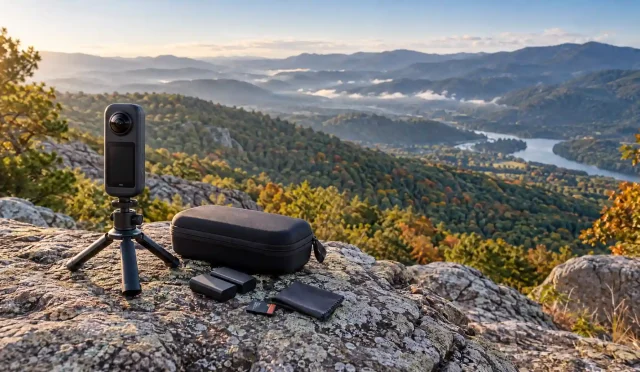
The Pocket 4 is built around a simple promise: a stabilized camera that is actually pocketable. That sounds obvious, but it changes behavior. You film more because the camera feels effortless. For travelers, that’s the real upgrade—not just specs.
It works especially well for:
- walk-and-talk vlogging
- casual B-roll while exploring
- quick “memory capture” moments (food, street scenes, hotel views)
- solo filming without carrying a tripod everywhere
Stabilization: The Reason This Category Exists
A true 3-axis gimbal stabilizer still creates a look that software stabilization can’t fully replicate. The Pocket 4’s footage tends to feel calmer and more deliberate, even if you’re moving. That alone can make your travel videos look more premium, because it removes the micro-shakes that scream “handheld phone clip.”
Tracking and Solo Travel: A Big Deal If You Film Alone
If you travel solo, framing is one of your biggest problems. Subject tracking helps you stay in the shot without constantly stopping to adjust the camera. It also helps when you want dynamic movement—walking toward the camera, stepping sideways, showing an object—without ruining the take.
For creators who film themselves frequently, this feature doesn’t just improve quality. It makes filming possible in more situations.
Video Quality: Where It Beats “Just Use Your Phone”
Phones are incredible, but they often rely heavily on computational tricks that can look odd in motion, especially in low light. The Pocket 4’s advantage is not simply sharpness—it’s a combination of:
- smoother motion from the gimbal
- more consistent exposure handling in tricky lighting
- better grading options (if you use D-Log)
- a more “camera-like” image when you want cinematic travel video
If your goal is “quick social clips,” your phone can be enough. If your goal is consistent, stabilized travel footage with a more cinematic feel, Pocket 4 gives you a clearer path.
Vertical Video for Reels and TikTok: The Honest Limitation
Vertical content matters. Pocket 4 supports vertical shooting, but it still comes with constraints compared to its best horizontal modes. If you’re a vertical-first creator who wants the absolute maximum resolution and flexibility in portrait, you should know that this camera is still built primarily around a stabilized, traditional capture approach.
That said, for most people publishing to social platforms, the vertical quality is still more than usable—and the stabilization often matters more than raw resolution.
Battery Life and Travel Workflow
Battery life gets more travel-friendly, but you should still plan realistically:
- Heavy 4K shooting drains batteries fast on any device
- Tracking, bright screens, and frequent start/stop usage add up
- A small power bank remains a smart companion
The good news: the Pocket concept is efficient for travel because you don’t need to power multiple devices, lenses, or a complicated rig.
Audio: Good Enough in Quiet Places, But Upgrade If You Care
Audio is where most vlogs succeed or fail. The Pocket 4’s built-in microphones can work in calmer environments, but travel is rarely calm. Wind, traffic, crowds, and room echo will quickly expose the limits of internal mics.
If you want consistently professional audio, a compact wireless microphone is the best upgrade you can make. Clean voice audio instantly makes your travel content feel higher quality—even more than another bump in resolution.
The Pocket 4’s Weak Spots (So You Don’t Buy the Wrong Tool)
This camera isn’t “best” for everyone. It stays best for a specific travel creator profile.
Not an action camera
Because it uses a mechanical gimbal, it’s not designed for heavy rain, dust, sand, or rough impacts the way rugged action cams are. If you film extreme sports, beaches with blowing sand, or constant water exposure, consider a tougher camera for those days.
No true optical zoom
Digital zoom can help framing, but it’s not the same as optical reach. If you film wildlife, distant details, or you love compression and portrait-style travel shots, you may want a different camera category.
Final Verdict: Is It Still the Best Travel Vlogging Camera?
If you want a camera that makes you film more often because it’s small, fast, stabilized, and flexible—DJI Osmo Pocket 4 still sits near the top of the travel vlogging camera list. It’s a practical creator tool that fits real travel life: minimal setup, consistent results, and a workflow that doesn’t punish you.
Choose it if you value:
- pocketable, stabilized video
- strong travel-friendly usability
- better low-light results than older pocket cameras
- options for both quick posting and serious editing
Skip it (or pair it with another camera) if you need:
- rugged waterproof durability
- true optical zoom
- a vertical-first workflow above all else
Amazon.com Product Recommendation (1 item)
DJI Mic 3 (Wireless Microphone System) — A compact wireless mic is one of the best upgrades for travel vlogging because it keeps voice audio clean in crowds and wind.