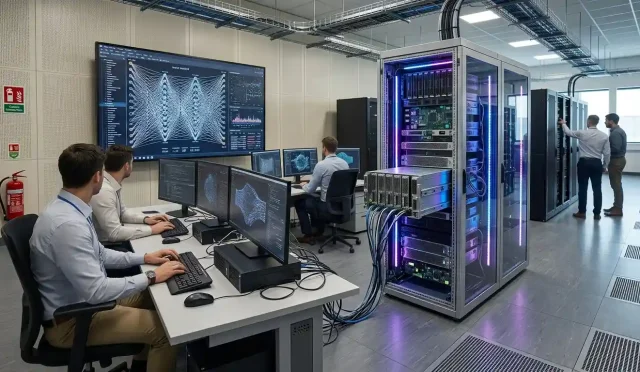

AI and the Metaverse: The Evolution of Smart Interactions in Virtual Worlds
The digital landscape is undergoing a radical shift, moving beyond two-dimensional screens into a high-fidelity, three-dimensional reality. At the heart of this transformation lies the intersection of Artificial Intelligence (AI) and the Metaverse. While the Metaverse provides the expansive virtual canvas, AI acts as the “brain,” enabling smart interactions that feel organic, responsive, and deeply personalized. As we move through 2026, the convergence of these technologies is not just an experimental phase but a robust digital ecosystem that redefines how we work, socialize, and create value.
The Role of AI in Designing Living Environments
In the early days of virtual worlds, environments were often static and scripted. Today, AI-driven procedural generation allows for the creation of limitless, dynamic landscapes that adapt to user behavior. Machine learning algorithms analyze vast datasets to render realistic textures, lighting, and physics, ensuring that the virtual reality experience is indistinguishable from physical perception in many aspects.
Active systems now use generative AI to build entire cities or ecosystems on the fly. This means that a virtual forest isn’t just a collection of programmed trees; it is a living system where the flora and fauna react to the presence of avatars. By automating the heavy lifting of spatial design, AI allows creators to focus on the nuances of “smart interactions,” making the environment a partner in the user’s journey rather than a background.
Intelligent Avatars: Beyond Digital Puppets
The most significant leap in the AI-enhanced Metaverse is the evolution of avatars. Traditionally, an avatar was a simple 3D model controlled by a human player. Now, AI agents act as autonomous or semi-autonomous representations of users and brands. These intelligent entities use Natural Language Processing (NLP) to communicate in real-time, breaking down language barriers across the global digital community.
Furthermore, these digital personas are becoming “agentic.” They can perform tasks, manage schedules, and even engage in commerce on behalf of their human counterparts. In high-stakes environments like virtual corporate offices or educational simulators, these AI-driven characters provide personalized mentorship and support, mimicking the empathetic nuances of human interaction. The integration of computer vision ensures that these avatars mirror the user’s real-life gestures and facial expressions, creating a profound sense of presence and emotional connection.
Decentralized Economies and Blockchain Integration
A smart Metaverse requires a secure and transparent way to handle data and assets. This is where blockchain technology and NFTs (Non-Fungible Tokens) intersect with AI. Intelligent systems now manage decentralized autonomous organizations (DAOs), where AI algorithms help in decision-making processes based on community votes and smart contracts.
Ownership in the Metaverse is no longer a centralized promise; it is a cryptographic fact. AI monitors these transactions to prevent fraud and ensure that digital assets—ranging from virtual real estate to unique skins—maintain their value and interoperability across different platforms. In 2026, we see the rise of the “Agent-driven economy,” where AI agents negotiate trades and manage portfolios in a persistent, decentralized marketplace that never sleeps.
Redefining Social and Professional Collaboration
The collaborative potential of a smart Metaverse is unparalleled. Virtual workspaces have evolved from simple 3D meeting rooms into sophisticated innovation hubs. AI-driven tools facilitate brainstorming by visualizing complex data in 3D, allowing teams to literally walk through their projects. Predictive AI anticipates the needs of a team, suggesting relevant resources or adjusting the ambient environment to boost productivity and focus.
In the social sphere, AI enhances safety and inclusivity. Advanced moderation algorithms identify and mitigate toxic behavior in real-time, ensuring that virtual spaces remain welcoming for all. By analyzing social cues and interaction patterns, AI helps users find niche communities that align with their interests, fostering deeper and more meaningful human connections in a digital landscape.
Virtual Tourism and the New Era of Exploration
One of the most exciting applications of this synergy is virtual tourism. AI can recreate historical sites with stunning accuracy, allowing users to “time travel” and experience historical events or visit distant planets. These aren’t just 360-degree videos; they are interactive simulations where you can talk to AI-powered historical figures and influence the environment. Platforms like YouVisit and Flyover Zone are leading the charge in digitizing global heritage, making education and exploration accessible to anyone with a headset.
The Ethical Frontier: Privacy and Governance
As interactions become smarter and more immersive, the collection of sensitive data—including eye movements, gestures, and spatial maps—presents new ethical challenges. The industry is currently shifting toward “Ethical AI” frameworks to ensure that user privacy is protected. Transparency and accountability are become the cornerstones of Metaverse governance, with AI-based assistants working alongside human moderators to safeguard digital identities.
Future Outlook: The Agentic Metaverse
Looking ahead, we are moving toward an Agent-driven Metaverse. The virtual world is evolving from a place you “visit” to a space where you “live” and “collaborate” alongside autonomous, intelligent entities. The distinction between the physical and digital is blurring, supported by 6G connectivity and advanced Edge Computing that eliminate latency. The Metaverse is no longer a buzzword; it is a persistent, intelligent, and transformative layer of our reality.
Amazon Product Recommendation
To truly immerse yourself in the evolving world of smart interactions, high-quality hardware is essential. We recommend the Meta Quest 3S, which offers a perfect balance of performance and accessibility for exploring AI-driven virtual worlds.
Meta Quest 3S – Experience the latest in mixed reality with enhanced depth and clarity, perfect for high-fidelity social interactions and professional collaboration.