
Best Portable Power Stations for California Power Outages
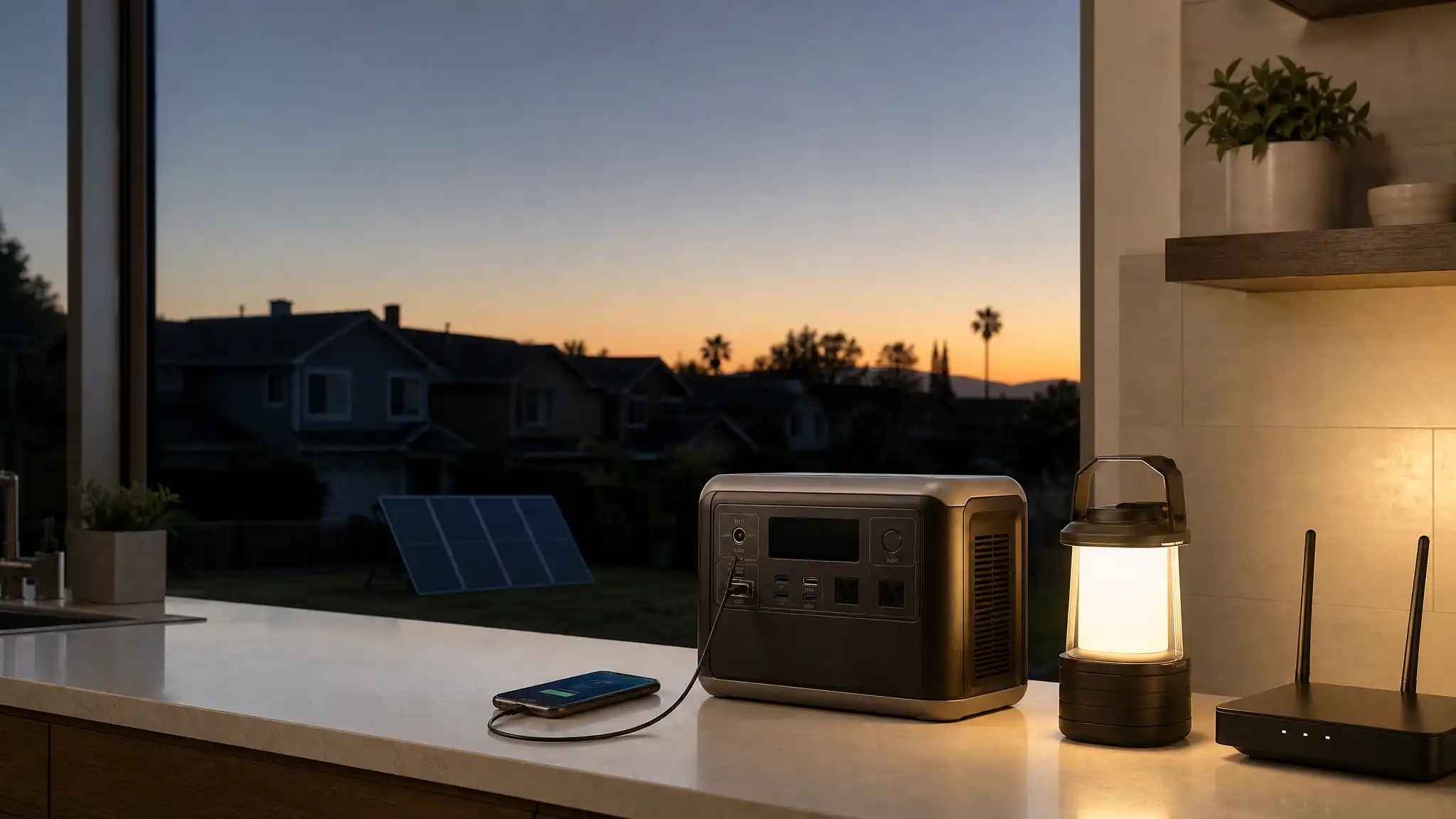
California power outages can happen with little warning. Wildfire-related shutoffs, heat waves, storms, and grid pressure may leave households without electricity for hours or even days. A reliable portable power station helps you keep essential devices running without the noise, fumes, or fuel storage requirements of a conventional gas generator.
The best portable power stations for California power outages combine strong battery capacity, dependable output, solar charging support, and safe battery technology. They can power phones, laptops, lights, Wi-Fi routers, medical devices, refrigerators, and other critical equipment during an emergency. Choosing the right model starts with understanding what you need to keep running.
Why a Portable Power Station Makes Sense in California
A portable power station stores electricity in a rechargeable battery and delivers it through AC outlets, USB ports, and DC connections. Unlike a fuel-powered generator, it operates quietly and produces no exhaust while in use. This makes it a practical emergency backup power solution for apartments, homes, RVs, and temporary evacuation situations.


California residents often value quiet operation, indoor usability, and solar compatibility. A solar generator can recharge from portable solar panels when the outage lasts longer than expected. This setup gives households more independence from the grid and can reduce reliance on fuel during an emergency.
Portable battery generators also make daily life easier during short blackouts. You can keep a smartphone charged, maintain internet access, run LED lights, and power a laptop for remote work. For many families, that level of continuity makes a major difference.
Start with Battery Capacity and Output Power
Battery capacity, measured in watt-hours (Wh), tells you how much energy a unit can store. A smaller 300Wh portable power station works well for phones, lamps, tablets, and a Wi-Fi router. A 1,000Wh model provides a more capable home battery backup option for longer outages and larger devices.
Output power, measured in watts (W), determines what appliances you can run at one time. A unit with 1,500W of AC output can handle many household essentials, but users should always check the running wattage and startup surge requirements of appliances. Refrigerators, coffee makers, power tools, and pumps may require more power when they first start.
Do not choose a station based on capacity alone. Match both watt-hours and output watts to your emergency power needs. Create a short list of devices you consider essential, then estimate their daily energy use before buying.
Choose LiFePO4 Battery Technology for Long-Term Backup
Many modern portable power stations use LiFePO4 battery technology, also called lithium iron phosphate. This battery chemistry is popular because it offers a long cycle life, stable performance, and improved durability for repeated use.
For California outage preparedness, a LiFePO4 power station can be a smart long-term purchase. You can charge it regularly, use it for camping or road trips, and keep it ready for emergencies. It also supports a more flexible approach to home energy resilience because you can recharge it from wall power, a car outlet, or compatible solar panels.
Always store the unit in a dry, ventilated location and follow the manufacturer’s charging instructions. Test your emergency backup power system every few months so you know it works when you need it.
Look for Fast Charging and Solar Input
Fast charging matters when severe weather, wildfire conditions, or planned shutoffs create limited preparation time. Some power stations recharge from a wall outlet in around an hour, while others need several hours. A fast-charging portable generator helps you restore battery capacity before an outage begins.
Solar charging adds another layer of flexibility. California receives abundant sunlight in many regions, making a portable solar panel a useful addition to an emergency preparedness kit. However, solar charging performance depends on panel size, weather, sunlight angle, and the unit’s maximum solar input.
Look for an MPPT solar charge controller, which helps the station use available solar energy efficiently. A solar-ready power station gives you more options during a multi-day outage, especially when grid power remains unavailable.
Prioritize Essential Devices Instead of Whole-Home Power
A portable power station does not usually replace a whole-home generator. Instead, it supports the appliances and electronics that matter most. Start with your refrigerator, communication devices, lighting, router, laptop, CPAP machine, and small medical equipment if applicable.
For example, avoid running high-wattage heating appliances, electric dryers, or central air conditioning from a standard portable battery station. These devices can drain the battery quickly or exceed the unit’s output limit. Focus on efficient equipment and use power strategically.
A good emergency power plan includes charging phones early, reducing refrigerator door openings, switching off unnecessary devices, and monitoring battery percentage. These small actions can extend runtime and improve comfort during an extended blackout.
Important Features to Compare
When comparing the best portable power stations, look beyond marketing claims. Check the number and type of outlets, including AC, USB-C, USB-A, and 12V DC ports. USB-C Power Delivery is particularly useful for quickly charging newer laptops and phones.
Pure sine wave AC output is another valuable feature. It supplies cleaner electricity for sensitive electronics, including laptops, cameras, and certain medical devices. An integrated LED light can also be helpful when you need immediate illumination during a nighttime outage.
Some models include UPS functionality, which can switch connected devices to battery power when grid electricity fails. This feature may help protect routers, computers, and other low-power electronics, but users should confirm transfer-time details and compatibility before relying on it for critical equipment.
Recommended Amazon Product
For a balanced emergency power solution, consider the Jackery Explorer 1000 v2 Portable Power Station. Amazon lists it with a 1,070Wh LiFePO4 battery, 1,500W AC output, 100W USB-C output, and fast charging capability. Its capacity suits many essential California outage needs, including communication devices, lights, laptops, and selected small appliances. Review current pricing, delivery availability, and full specifications before purchasing: Jackery Explorer 1000 v2 on Amazon.
Final Thoughts
The best portable power station for California power outages is the one that matches your household’s real priorities. Choose enough capacity for essential devices, select reliable LiFePO4 battery technology, and consider adding solar panels for longer disruptions. With a tested power outage kit and sensible energy use, you can stay connected, informed, and more comfortable when the grid goes down.