

Home Battery Backups: How Homeowners Are Prep-Planning for Grid Instabilities
Reliable electricity once felt like a background service: available whenever a light switch, refrigerator, or router needed it. Today, many households take a more deliberate view. Severe weather, aging infrastructure, peak-demand pressure, and local utility work can interrupt daily routines with little warning. As a result, homeowners are prep-planning rather than reacting. A home battery backup gives families a practical way to keep selected essentials running, protect food and communication, and make decisions calmly during a power outage.
This shift is not about predicting disaster. It is about building energy resilience around real household priorities. A well-planned backup power system can support a refrigerator, lights, internet equipment, medical devices, or a sump pump, depending on its size and configuration. Homeowners increasingly see battery storage as one part of a broader emergency power plan rather than a luxury feature.
Why Grid Instability Has Changed the Conversation
Grid instability can come from many directions. A storm may damage lines, a heatwave may raise electricity demand, or scheduled maintenance may temporarily disrupt service. Longer disruptions can affect food storage, water management, security systems, and neighborhood safety.


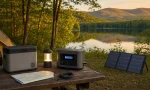
Unlike a fuel-powered generator, a modern home battery system runs quietly and produces no exhaust at the point of use. In that role, an uninterruptible power supply can keep a modem, router, computer, or network storage device active while a larger plan takes over.
Start With Essential Loads, Not a Shopping List
The smartest preparation begins with an energy audit. Instead of asking, “What is the biggest battery I can buy?” ask, “What must continue working during an outage?” List each essential load, its running watts, its startup demand where relevant, and the number of hours you need it to operate.
For example, a refrigerator, a few LED lights, phones, a Wi-Fi router, and a small fan require a very different plan than central air conditioning, an electric range, or an entire home. This distinction helps homeowners avoid oversizing a system for convenience or undersizing it for safety. It also clarifies whether a portable battery backup will meet the goal or whether a whole-home battery system makes more sense.
Capacity is commonly expressed in watt-hours or kilowatt-hours, while output describes how much power the inverter can supply at one time. Both figures matter. A battery can store enough energy for several hours but still struggle if its inverter cannot handle a high-wattage appliance or motor startup. Compare continuous output, surge capacity, usable capacity, recharge time, and available outlets before selecting equipment.
Choose the Right Type of Home Battery Backup
Homeowners generally choose among three approaches. A compact UPS protects electronics during brief interruptions. It works well for a desk setup, router, modem, or smart-home hub, but it does not replace a home energy storage system for extended outages.
Portable power stations offer more flexibility. Many use lithium iron phosphate batteries, often called LiFePO4, which are popular for their cycle life and thermal stability characteristics. A portable unit can run selected appliances, move between rooms, and travel for camping or evacuation needs. It may also support solar charging with compatible panels, creating a solar generator setup that restores some energy during daylight.
Installed systems deliver the most integrated experience. A professionally designed battery backup system can connect through a transfer switch or dedicated critical-load panel. This arrangement separates essential circuits from high-demand circuits and helps the system respond safely when utility power fails. Households that want extended coverage may pair solar battery storage with rooftop solar panels, but solar production varies by weather, season, shade, and local installation conditions. Batteries store energy; they do not create it, so homeowners should plan recharge options realistically.
Build a Layered Emergency Power Plan
Effective preparation uses layers. Keep flashlights, charged power banks, bottled water, and a printed contact list alongside your energy equipment. Place routers and phones on a small UPS if uninterrupted connectivity matters. Use a larger emergency battery backup for refrigeration, communications, and lighting. If your home has a basement, prioritize a sump pump only after confirming both its running and starting requirements.
Then practice. Run a controlled outage drill for an evening. Identify which extension cords, adapters, circuits, and appliances you will use. Teach everyone in the household what to unplug, what to leave off, and how to conserve power. This simple step reveals gaps before a real disruption creates pressure.
Safety and Installation Matter
Never backfeed a home through a wall outlet. That practice can endanger utility workers, damage equipment, and violate electrical codes. Use manufacturer-approved connections and consult a licensed electrician for any permanent installation, transfer switch, service-panel work, or solar integration. Keep battery equipment dry and ventilated as required by its manufacturer. Review local regulations, warranty terms, and emergency procedures before installation.
A prepared homeowner also maintains the system. Check charge levels, update firmware, inspect cables, and test it periodically. Store portable units within the manufacturer’s recommended temperature range. These habits protect both the equipment and the confidence it is meant to provide.
A Practical Investment in Resilience
Prep-planning for grid instabilities does not require powering every appliance. It requires defining essential loads, choosing appropriate battery capacity, and practicing safe use. Whether a household begins with a UPS battery backup or invests in a solar-ready whole-home solution, the goal remains the same: maintain comfort, communication, and safety when the grid becomes unreliable.
Amazon Product Recommendation
For homeowners who need a portable option for essential devices rather than a permanently installed whole-home system, consider the EF ECOFLOW DELTA 3 Classic Portable Power Station. Amazon lists it with 1,024Wh capacity, 1,800W AC output, LiFePO4 battery chemistry, and UPS functionality; confirm current specifications, price, and compatibility before purchasing: