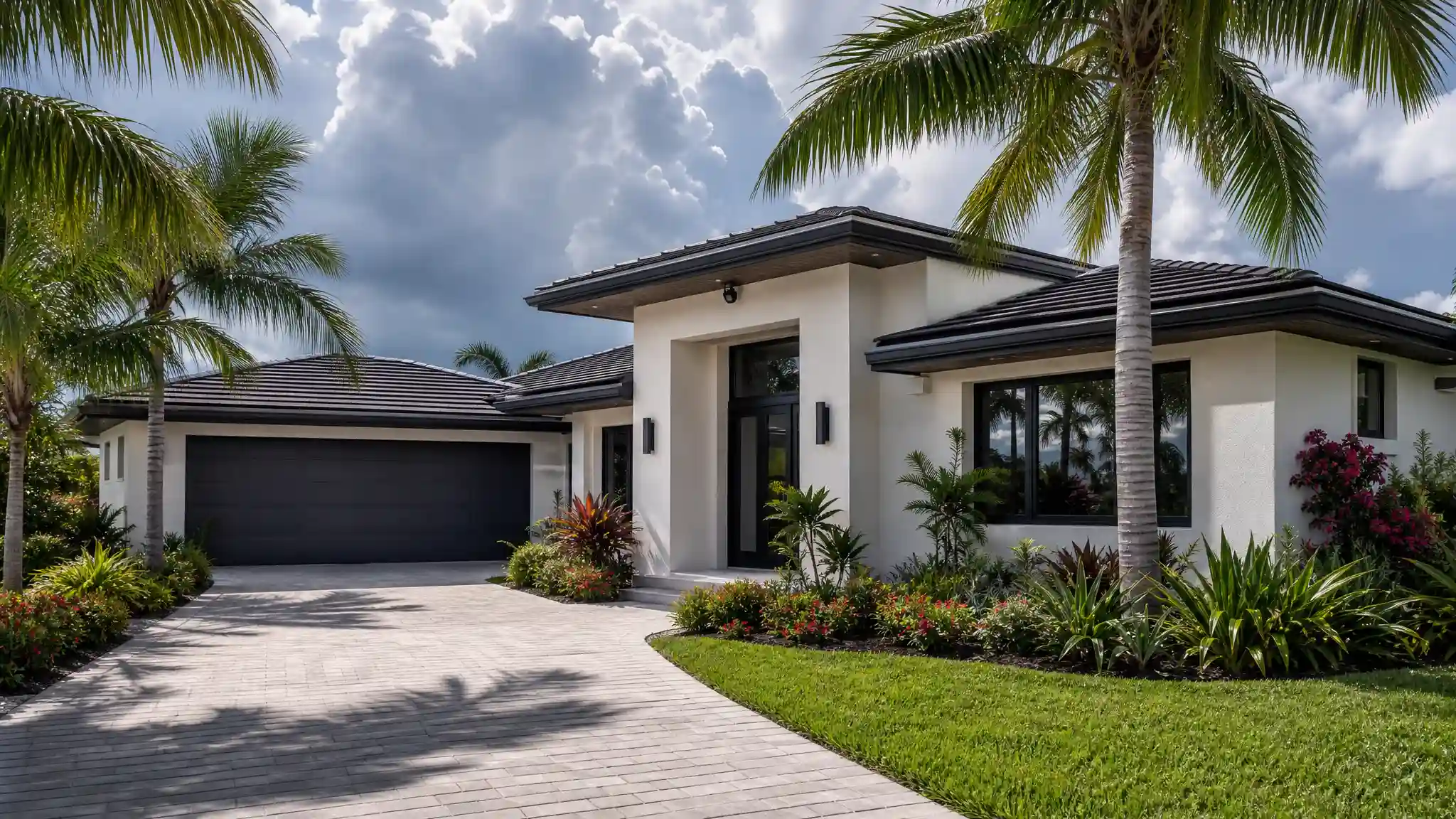

Florida’s tropical climate creates unique challenges for home security equipment. Intense sunlight, high humidity, heavy rain, salty coastal air, lightning storms, and hurricane-season winds can quickly damage poorly designed devices. For this reason, homeowners should not choose an outdoor camera based on price alone. They need a durable, weather-ready solution that protects their property while delivering reliable footage throughout the year.
The best outdoor security cameras for Florida heat and humidity combine strong weather resistance, clear video quality, dependable connectivity, and practical storage options. Whether you want to monitor a front porch in Miami, a backyard in Orlando, or a vacation property near the Gulf Coast, selecting the right camera can improve both security and peace of mind.
Choose a High Weather-Resistance Rating
Florida weather can change quickly. A bright, hot afternoon can turn into a severe thunderstorm within minutes. Therefore, an IP65 waterproof camera, IP66-rated model, or IP67-rated camera should be at the top of your shopping list.

An IP rating measures how well an electronic device resists dust and water. In simple terms, higher ratings generally offer stronger protection against rain and moisture. For most Florida homes, IP65 provides solid protection from rain and wind-driven water. However, homeowners in coastal communities or places with frequent storms may prefer IP66 or IP67 protection.
Do not assume that “weather-resistant” always means fully protected. Always check the manufacturer’s specifications before purchasing. A camera rated for outdoor use should withstand rain, humidity, dust, and changing temperatures without frequent interruptions.
Heat Resistance Matters in Florida
Florida’s summer temperatures can become demanding, especially when direct sunlight hits a camera mounted on a wall, garage, fence, or roofline. The surface temperature around the device may exceed the local air temperature, which can stress internal components.
A heat resistant security camera should include a listed operating-temperature range that supports hot conditions. Many quality models operate safely in temperatures around 120°F to 131°F, but consumers should verify the exact rating for every camera they consider.
To improve long-term performance, install the device under an eave, porch roof, or shaded mounting point whenever possible. Shade reduces direct solar exposure and may help prevent overheating. It also protects the lens from glare, which can affect image quality during the brightest part of the day.
Humidity and Moisture Can Affect Camera Performance
Florida’s high humidity creates a separate problem from rain. Moisture can build up around connectors, seals, and lenses. Over time, this exposure may lead to corrosion, foggy images, or reduced reliability. A humidity resistant camera uses sealed housing and durable materials to reduce the risk of moisture entering sensitive components.
Coastal homeowners should pay even closer attention. Salt in the air can accelerate corrosion, especially around metal brackets, power connections, and exposed screws. Look for corrosion-resistant mounting hardware and inspect the camera periodically for signs of rust or wear.
A well-built weatherproof outdoor camera should maintain a clean image during humid mornings and rainy evenings. Still, you can support its performance by wiping the lens with a soft microfiber cloth and checking seals after major storms.
Video Quality Should Stay Clear Day and Night
A durable camera is only useful if it captures helpful footage. Choose at least 1080p HD resolution, though 2K or 4K can provide greater detail for larger driveways, gates, and yards. Higher resolution makes it easier to identify people, vehicles, package deliveries, and activity near entry points.
Night vision security camera features are especially important because many security incidents occur after dark. Infrared night vision works well for general monitoring, while color night vision can provide more visual detail when the camera includes a spotlight or sufficient ambient lighting.
For Florida homes with large lawns or long driveways, a motion detection camera can help limit unnecessary recordings. Advanced detection features may distinguish people, vehicles, pets, and other movement. This reduces alerts caused by swaying palm fronds, rain, insects, or passing wildlife.
Place cameras carefully to improve results. Aim one camera at the front entry, another toward the driveway, and a third toward backyard access points if your property layout requires it. Avoid pointing the lens directly at bright exterior lights, reflective windows, or busy public areas.
Wired, Wireless, or Solar: Which Power Source Works Best?
A wireless outdoor security camera offers flexible placement and simple installation. It can work well for renters, detached garages, sheds, fences, and areas where running cables would be difficult. However, battery-powered cameras require periodic charging or battery replacement.
A wired camera offers consistent power and may support continuous recording. This option works especially well for homeowners who want 24/7 monitoring, but installation may require professional help depending on the electrical setup.
A solar powered security camera can be a smart choice in Florida because the state receives abundant sunshine. Solar panels can extend battery life and reduce maintenance. However, homeowners should mount the panel where it receives regular sunlight without exposing the camera itself to excessive direct heat.
Before deciding, check your Wi-Fi coverage outdoors. Thick exterior walls, large yards, and concrete structures can weaken the signal. If your camera repeatedly disconnects, consider a Wi-Fi extender, mesh network, or a wired PoE camera system.
Storage and Smart Features Improve Everyday Security
A modern smart home security camera should offer easy mobile access, instant alerts, and flexible recording options. Many cameras store footage in the cloud, on a microSD card, or through a local network video recorder.
Cloud storage offers remote access and convenience, but it may require a monthly plan. Local storage gives you more control and can reduce recurring costs, although you must protect the storage device from theft or damage. Some homeowners prefer a combination of both options.
Two-way audio also adds value. It allows you to speak with delivery drivers, visitors, contractors, or family members through the camera app. A built-in siren or spotlight can further discourage unwanted activity around the property.
Installation Tips for Florida Homes
A strong outdoor surveillance system starts with smart placement. Mount cameras high enough to discourage tampering but low enough to capture faces clearly. For many homes, a height of approximately eight to ten feet creates a useful balance.
Use exterior-rated cable, weather-sealed connectors, and sturdy mounting hardware. If you install a camera near the coast, inspect it more often because salt exposure can weaken fittings over time. During hurricane season, confirm that brackets remain secure and remove temporary solar panels only if the manufacturer recommends it.
You should also protect your account. Create a unique password, activate two-factor authentication when available, and keep the camera firmware updated. These steps help make your home security camera system more resilient both physically and digitally.
Final Thoughts
The right camera for Florida must handle more than ordinary rain. It should resist heat, humidity, storms, and long periods of outdoor exposure while still delivering clear footage and dependable alerts. Focus on weather ratings, heat tolerance, video quality, power options, and storage before making a decision.
For many Florida homeowners, a camera with IP-rated protection, reliable motion alerts, local storage options, and strong night vision provides the most practical long-term value.
Amazon Product Recommendation
Reolink Argus 4 Pro — This outdoor model is a strong option for hot climates because it is rated for temperatures up to 131°F and offers battery, wired, and solar power options. Confirm the latest listing details, availability, and pricing on Amazon.com. Independent testing coverage has also identified the Argus 4 Pro as a notable choice for hot climates due to its heat tolerance and flexible power options.