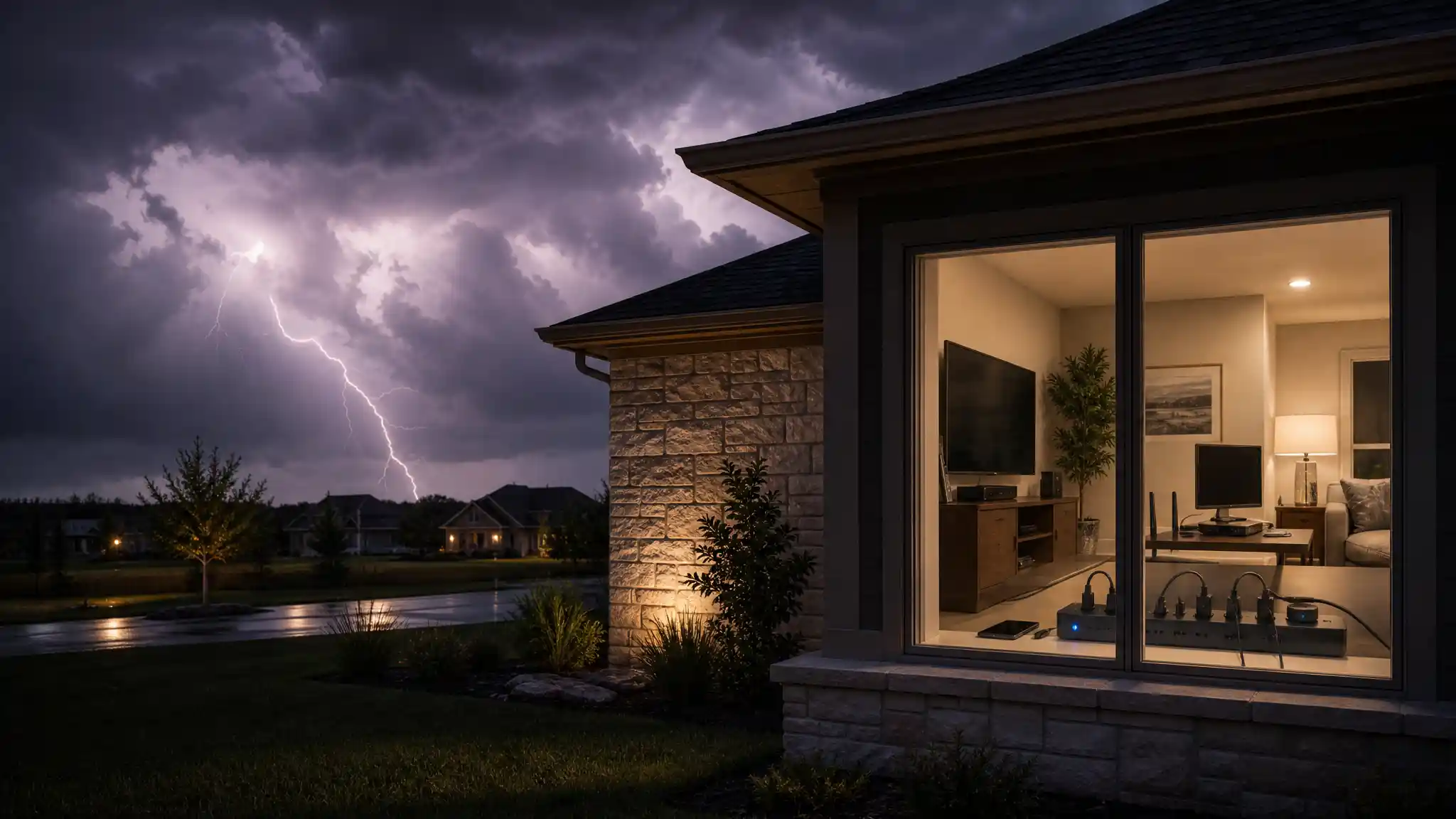

Best Surge Protectors for Severe Storms in Texas: Protect Your Electronics
Texas is known for its legendary weather, ranging from sweltering heat waves to dramatic atmospheric shifts. However, for homeowners and tech enthusiasts, the most significant threat comes from the state’s notorious severe thunderstorms. These storms often bring intense lightning strikes and unpredictable power fluctuations that can destroy sensitive electronics in a heartbeat. Investing in a high-quality surge protector is not just a luxury in the Lone Star State—it is a necessity for safeguarding your home office, entertainment systems, and essential appliances.
Understanding the Texas Storm Risk
The unique geography of Texas makes it a hotspot for convective activity. Whether you live in the “Tornado Alley” sections of North Texas or the humid, lightning-prone Gulf Coast, your electrical grid faces constant pressure. Severe weather causes power surges in two ways: direct lightning strikes and grid switching by utility companies reacting to storm damage.
A direct strike can send millions of volts through your home’s wiring. While no consumer-grade strip can stop a direct hit to the house itself, a robust surge protection device manages the much more common “indirect” surges. These occur when lightning strikes nearby transformers or power lines, sending a massive spike of electricity toward your wall outlets. Without a reliable barrier, this energy fries the delicate integrated circuits inside your laptop, 4K TV, or gaming console.
Key Features to Look For
When shopping for protection against Texas-sized storms, you must look beyond the number of outlets. You need to evaluate specific technical specifications to ensure the device can handle high-voltage transients.
First, check the Joule rating. This number represents how much energy the protector can absorb before it fails. For areas with frequent lightning, you should aim for a rating of at least 2,000 to 4,000 Joules. A higher rating generally translates to a longer lifespan and better defense against repetitive smaller spikes.
Second, consider the Clamping Voltage. This is the threshold at which the surge protector begins to divert excess electricity away from your devices. Lower is better here; look for a UL-certified clamping voltage of 330V or 400V. If the voltage stays too high for too long, your equipment will sustain damage before the protector even kicks in.
The Importance of Response Time
In the world of electrical transients, nanoseconds matter. High-end surge protectors utilize Metal Oxide Varistors (MOVs) that react almost instantaneously to voltage spikes. When a storm rolls through Dallas or Houston, the “Response Time” should be less than one nanosecond. Fast reaction times prevent the initial “peak” of a surge from reaching your hardware, which is often where the most catastrophic damage occurs.
Furthermore, look for “Pure Sine Wave” or EMI/RFI noise filtering. Severe storms often create “dirty” power—interference in the electrical line that doesn’t necessarily blow a fuse but can cause software glitches and long-term hardware degradation. Quality filters ensure that your devices receive clean, stable energy even when the wind is howling outside.
Layered Protection Strategy
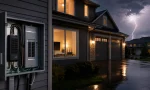
Experienced Texas homeowners often use a “staged” approach to electrical safety. This involves installing a Whole-House Surge Protector at the main electrical panel combined with “Point-of-Use” surge strips for specific high-value items. This dual-layer defense handles the massive external surges at the source while cleaning up smaller, internal spikes caused by heavy appliances like air conditioners cycling on and off during a storm.
Given the humidity in Texas, it is also wise to choose protectors with fire-proof casings. MOVs generate heat when they absorb energy; in extreme cases, a low-quality plastic protector can actually become a fire hazard during a massive electrical event. Ceramic-encased MOVs offer an extra layer of thermal protection.
Why Cheap Power Strips Aren’t Enough
Many people confuse a simple power strip with a genuine surge protector. A basic $10 strip provides extra outlets but offers zero protection against voltage spikes. In a state like Texas, where a single thunderstorm can cause dozens of micro-surges, using a basic strip is essentially leaving your front door unlocked during a heist. Always verify that the product is labeled as a “Surge Protective Device” and carries the UL 1449 4th Edition certification.
Maintaining Your Defense
Surge protectors are not “set it and forget it” devices. They are consumable items. Every time an MOV absorbs a spike, it wears down. Most modern units include an “Efficiency” or “Protected” LED light. If this light goes out, the internal components have sacrificed themselves to save your gear, and the unit no longer provides protection. After a particularly violent Texas spring storm, always inspect your device’s status lights to confirm you are still covered.
Conclusion
Protecting your digital life from the volatile Texas climate requires proactive planning. By selecting a device with a high Joule rating, low clamping voltage, and rapid response time, you create a fortress for your electronics. Don’t wait for the next “Blue Norther” or tropical disturbance to test your luck. Invest in professional-grade protection today to ensure that your devices survive the storm.
Belkin BoostCharge Pro 12-Outlet Surge Protector (4,000 Joules)
This heavy-duty protector is ideal for Texas homes, offering a massive 4,000-joule energy rating, a fire-resistant construction, and a $300,000 connected equipment warranty for ultimate peace of mind.