
Best Surge Protectors for High Lightning Risk Florida Homes
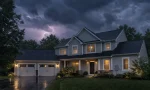
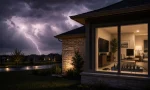
Florida holds the undisputed title of the lightning capital of the United States. Tropical storms and convective summer heat unleash hundreds of thousands of cloud-to-ground strikes across the peninsula each year. While a direct strike can shatter masonry or ignite roofs, indirect strikes represent a much more insidious threat to modern homeowners. High-energy lightning discharges travel through utility grids, cable lines, and underground plumbing, sending devastating voltage spikes directly into residential wiring. Modern homes pack tens of thousands of dollars worth of sensitive electronics, smart appliances, HVAC control boards, and home automation hubs. Standard plug strips simply cannot withstand the severe transient voltage levels typical of Florida thunderstorms. Safeguarding your valuable property requires a layered, engineered electrical defense strategy.
Understanding Lightning Dynamics and Transient Voltage in Florida
A single bolt of lightning packs up to one billion volts and hundreds of thousands of amperes. When lightning hits a nearby transformer or strikes the ground within a quarter-mile radius, it produces an intense electromagnetic field. This event instantly couples excess energy into incoming electrical lines, telephone cords, and coaxial cables.
Transient voltage spikes enter the home in microseconds. These surges degrade delicate microprocessors inside modern variable-speed air conditioning units, smart refrigerators, and high-end entertainment centers. While a single massive surge can vaporize circuit boards instantly, continuous mini-surges silently degrade semiconductor components over time. This continuous stress causes mysterious hardware malfunctions and early equipment failure. Homeowners who install comprehensive surge defense eliminate costly replacement expenses and protect their smart home infrastructure from unexpected downtime.
The Core Strategy: The Two-Tiered Defense System
True electrical security demands a multi-tiered protection architecture. Relying solely on a living room surge strip leaves expensive hardwired equipment completely exposed. Professional electricians and electrical safety organizations recommend combining service entrance protection with localized outlet defense.
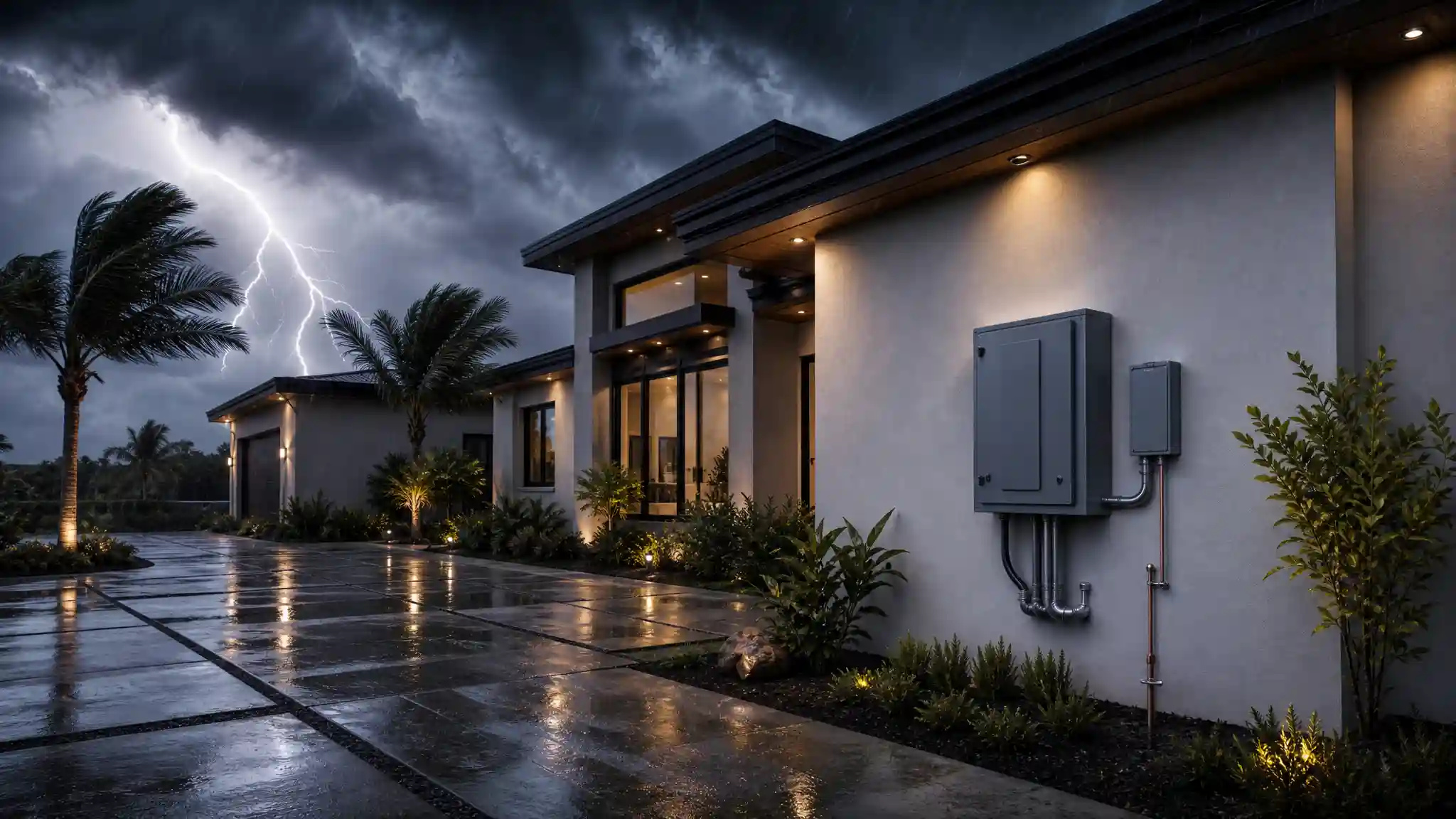
Type 1 and Type 2 surge protective devices mount directly inside or adjacent to your main breaker panel. These whole-house units intercept high-energy transient spikes at the service entrance before excess electricity disperses into interior branch circuits. A robust whole-panel device absorbs the brunt of massive lightning transients, diverting thousands of excess amps safely into the grounding electrode system.
Type 3 surge protectors handle localized, residual voltage at individual wall outlets. While whole-house units clamp the massive primary wave down to manageable levels, precision electronics still need secondary filtering. Point-of-use surge suppressors clamp whatever residual voltage slips past the main breaker box, ensuring pure, stable power reaches sensitive computers, sound systems, and televisions.
Key Technical Specifications for High-Risk Environments
Choosing effective equipment for high-risk zones requires looking past marketing buzzwords and examining certified technical specifications.
First, inspect the clamping voltage rating, technically known as the Voltage Protection Rating (VPR). The VPR reveals the exact voltage threshold where the device triggers and begins redirecting current away from connected loads. Lower VPR numbers signify better protection; for standard 120-volt circuits, look for a 330V or 400V VPR rating under standard UL 1449 testing.
Second, evaluate the joule rating and maximum surge current capacity. Joules measure the total thermal energy the internal metal oxide varistors (MOVs) can absorb before degrading. In storm-prone regions, look for point-of-use devices featuring at least 2,000 to 4,000 joules of dissipation capacity. Whole-house devices measure resilience in kiloamperes (kA) per phase; high lightning zones require whole-panel units rated for at least 50kA to 100kA surge current handling per phase.
Third, confirm strict third-party safety certifications. Ensure the hardware carries verified UL 1449 4th Edition and UL 1283 approvals. These testing standards verify that the unit features thermal disconnects, flame-retardant enclosures, and electromagnetic interference filtering.
Essential Protection for Major Appliances and HVAC Systems
Central air conditioning systems work relentlessly under the humid Florida sun, making the compressor and ECM motor control board the most vulnerable and expensive components in your home. A summer power surge can disable an HVAC system within milliseconds, exposing the residence to rapid indoor humidity spikes, toxic mold growth, and emergency repair bills.
Standard wall strips cannot protect hardwired 240-volt appliances like heat pumps, pool pumps, water heaters, and electric vehicle chargers. Dedicated whole-panel suppressors or specialized outdoor disconnect surge modules provide targeted defense for heavy equipment. Connecting these large inductive loads to dedicated surge protection shields their delicate electronic logic boards from grid-induced voltage spikes and generator transfer spikes during hurricane season.
Best Installation and Maintenance Practices
Optimal electrical safety depends heavily on a low-resistance grounding network. Even the most advanced surge suppressor fails if excess current cannot discharge quickly into the earth. Have a licensed electrical contractor verify that your service panel bonding and grounding rods meet the National Electrical Code standard of 25 ohms or lower. In sandy or porous coastal soils, installing supplemental deep-driven ground rods significantly enhances surge suppression efficiency.
Keep connecting leads on whole-house suppressors as short and straight as possible during installation. Long, coiled, or twisted wires introduce unwanted inductive impedance, which slows down response times during rapid lightning strikes.
Surge suppressors also degrade naturally over time as their internal MOVs absorb successive power fluctuations. Inspect your units twice a year, especially after intense summer thunderstorms. Most quality suppressors feature visual LED status indicators or audible alarms that sound when protective circuits reach end-of-life. Replace worn-out strips immediately when the protection indicator goes dark.
Recommended Hardware Solution
For whole-home service panel integration, the Square D by Schneider Electric HEPD80 stands out as an exceptional choice available on Amazon.com. This compact, rugged Type 1/Type 2 device provides 80kA of surge current capacity per phase, delivering industrial-grade whole-house lightning suppression in a convenient NEMA 4X rated enclosure.
Investing in a robust, multi-layer surge suppression strategy protects your financial investments, secures sensitive smart home assets, and delivers invaluable peace of mind through every stormy Florida afternoon.