
Mastering Summer Cooling: The Best Smart Thermostats for Florida Energy Savings
Florida summers bring relentless heat and oppressive humidity that push residential air conditioning systems to their absolute limits. Running a standard HVAC unit around the clock leads to skyrocketing utility bills and unnecessary wear on expensive equipment. Upgrading to a smart thermostat gives homeowners direct control over indoor climate while slashing monthly electrical consumption. Modern intelligent controllers learn household habits, adjust cooling cycles dynamically, and integrate advanced humidity management tools specifically built for subtropical climates. Investing in the right device keeps living spaces comfortable and protects home budgets against peak power rates.
The Unique Climate Challenges of the Sunshine State
Living in Florida requires a unique approach to home climate control. High ambient temperatures combined with extreme humidity create a heavy thermal load on cooling units. Traditional programmable thermostats follow rigid timers, often cooling empty rooms or failing to lower indoor moisture levels effectively. When relative humidity exceeds sixty percent, air feels significantly warmer than the actual temperature reading, prompting occupants to lower settings unnecessarily.
Smart thermostats solve this dilemma by measuring both temperature and indoor moisture. These units prioritize dehumidification cycles, pulling excess water vapor from the air so the home feels naturally cooler at higher setpoints. Maintaining a setpoint around seventy-eight degrees Fahrenheit while managing humidity delivers substantial cooling efficiency without sacrificing comfort.
Key Features to Look for in a Florida-Ready Thermostat
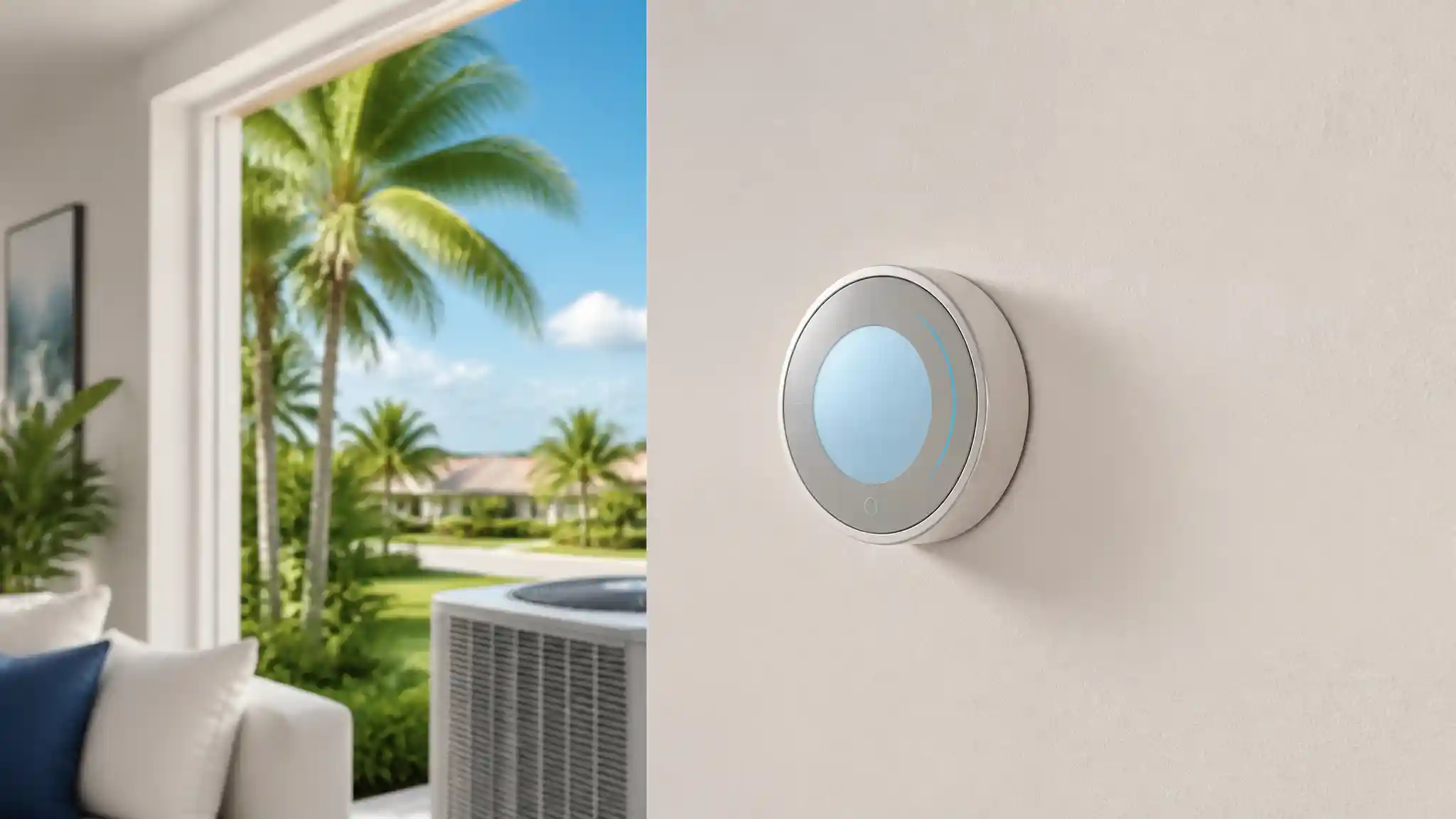
Selecting the ideal thermostat for a tropical or subtropical environment requires attention to specific technical features. Dedicated humidity sensing stands at the top of the priority list. A thermostat equipped with integrated humidistat controls can activate variable-speed air handlers at low speeds specifically to extract moisture before engaging heavy refrigeration stages.
Geofencing technology represents another critical tool for maximum savings. By tracking smartphone locations, the system automatically transitions into eco-mode whenever the house sits empty and initiates precooling routines before family members return. In addition, compatibility with utility peak-demand programs allows homeowners to capitalize on time-of-use discounts, shifting non-essential cooling away from peak hours.
Top Smart Thermostats for Energy Efficiency
Different households require distinct hardware configurations based on their existing ductwork and wiring. The leading models on the market combine intuitive mobile applications, robust automated scheduling, and adaptive learning algorithms to maintain efficiency year-round.
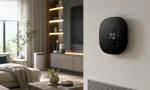
Ecobee models excel in multi-story or sprawling floor plans due to their remote room sensors. These external sensors monitor temperature and room occupancy simultaneously, eliminating hot spots in south-facing bedrooms while avoiding energy waste in unoccupied dining areas. Built-in air quality monitoring also alerts residents when closed windows cause indoor air stagnation.
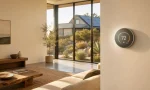
Google Nest devices emphasize effortless automation through artificial intelligence. After a brief learning period, the system establishes custom temperature curves tailored to daily routines without requiring manual programming. Nest units analyze local weather forecasts in real time, factoring ambient sunlight and afternoon thunderstorm patterns into daily compressor activation schedules.
Honeywell Home smart controllers provide dependable performance with deep HVAC compatibility. These devices focus on precision humidity regulation, making them suitable choices for coastal regions where maritime salt air and persistent dampness challenge standard electronic components. Their clean touchscreen interfaces offer seamless manual overrides whenever unexpected schedule changes occur.
Smart Operation Strategies to Maximize Seasonal Savings
Installing advanced hardware delivers optimal return on investment only when paired with sound cooling practices. Homeowners should utilize ceiling fans in occupied spaces to create a gentle wind-chill effect, allowing baseline thermostat temperatures to rise two to three degrees without reducing perceived comfort.
Scheduling routine maintenance also protects system longevity. Dirty evaporator coils and clogged filters force blowers to work harder, degrading the efficiency gains provided by automated controls. Setting automated filter-change reminders within thermostat software ensures peak airflow throughout the warmest months. Utilizing programmable recovery modes avoids abrupt temperature drops, which trigger energy-intensive auxiliary cooling stages.
Long-Term Economic and Environmental Benefits
Switching to an automated climate controller yields rapid financial returns. Florida households frequently report reductions of ten to twenty-three percent on annual cooling expenses, allowing modern units to pay for themselves within two cooling seasons. Reduced runtime diminishes continuous mechanical stress on compressors, delaying costly equipment replacements.
Lowering overall household kilowatt-hour consumption eases the burden on regional electrical grids during high-demand summer afternoons. Efficient cooling practices directly curb carbon emissions associated with fossil-fueled power generation, transforming individual home improvements into meaningful environmental contributions.
Top Recommended Product on Amazon
For homeowners seeking the ultimate balance of humidity management, remote sensing, and automated savings, the ecobee Smart Thermostat Premium stands out as the premier choice on Amazon.com. Featuring a built-in smart sensor, integrated air quality monitor, and dedicated dehumidification controls, this device integrates seamlessly with major smart home platforms to keep Florida properties cool, dry, and energy-efficient throughout the summer.