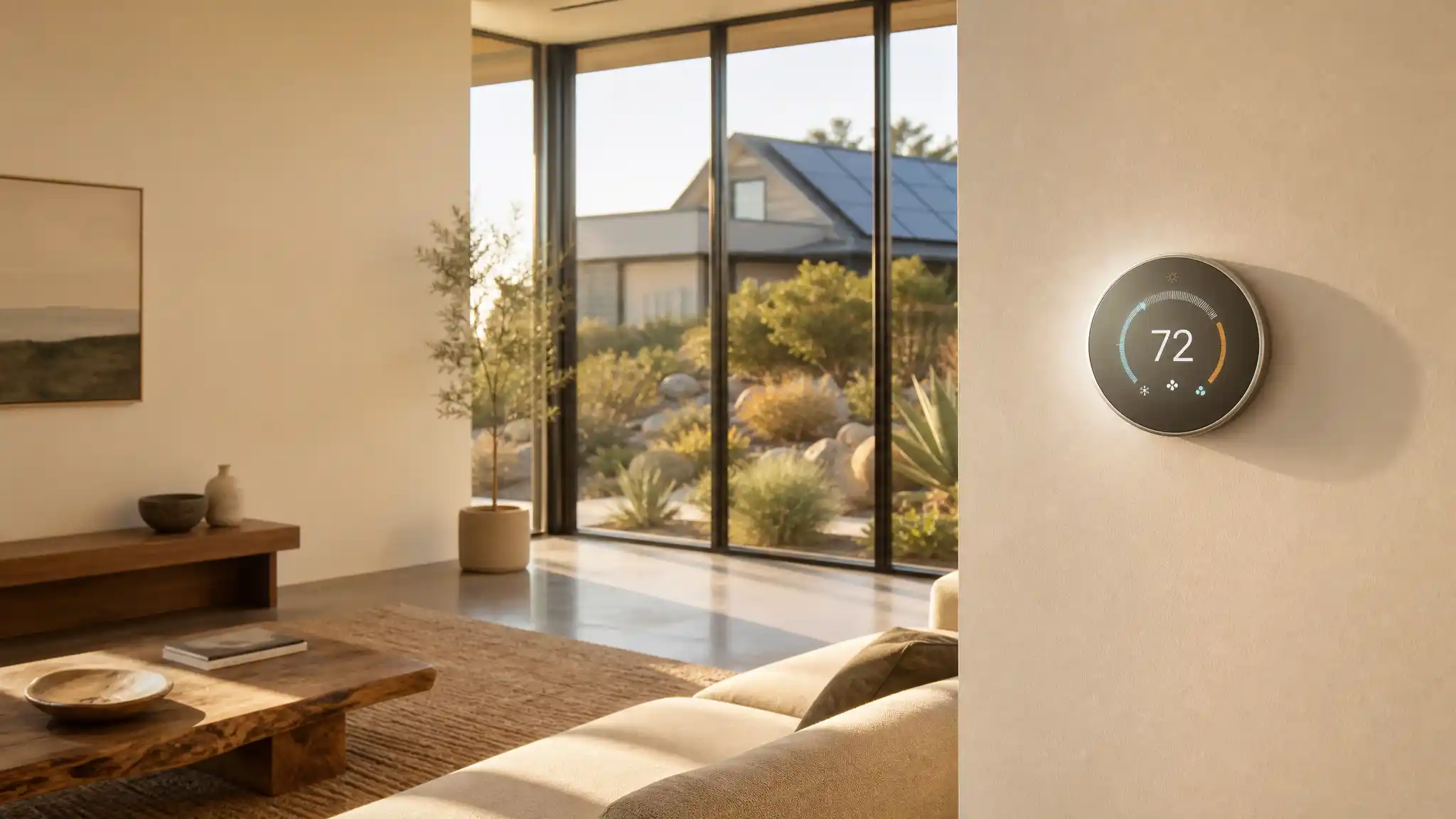

Best Smart Thermostats for Energy Savings in California
California homeowners face rising cooling demands, changing electricity rates, and a growing need to reduce household energy use. A smart thermostat offers a practical way to manage indoor comfort without running the HVAC system longer than necessary. By learning routines, responding to schedules, and allowing remote temperature control, these devices can help households use energy more intentionally.
The best smart thermostats for California homes combine reliable automation with simple controls. They help residents stay comfortable during hot inland summers, mild coastal evenings, and seasonal temperature swings. More importantly, they support everyday energy-saving habits without requiring constant manual adjustments.
Why Smart Thermostats Work Well in California Homes
A traditional thermostat only reacts when someone changes the setting. In contrast, a Wi-Fi thermostat gives homeowners more control through a mobile app, automation tools, and personalized schedules. You can lower cooling output when the house is empty, restore comfort before you return, and track patterns that may increase electricity consumption.
This type of home energy management is especially valuable in California, where peak electricity demand often occurs in the late afternoon and evening. Smart scheduling can reduce unnecessary air-conditioning use during those high-demand hours. Some devices also support demand response programs, which may reward eligible customers for allowing small temperature adjustments during grid-stress events.
A quality energy-saving thermostat does more than turn heating and cooling on or off. It creates a system that responds to daily life, weather conditions, occupancy, and preferred comfort levels.
Features to Look for in a Smart Thermostat
When comparing the best smart thermostats, start with compatibility. Your new device must work with your current HVAC equipment, including conventional systems, heat pumps, and multi-stage units. Check whether your setup needs a C-wire, also called a common wire. Many homes have one, but older systems may require a power adapter or professional installation.
Next, look for an ENERGY STAR smart thermostat. This certification can indicate that the device meets energy-efficiency standards and includes features designed to reduce unnecessary HVAC runtime. However, actual results depend on your home’s insulation, climate zone, equipment condition, and household habits.
Useful features include:
- Programmable thermostat schedules for morning, daytime, evening, and sleep routines
- Geofencing technology that adjusts settings when your phone leaves or enters a chosen area
- Remote temperature control through a smartphone app
- Smart home integration with Alexa, Google Assistant, Siri, or other platforms
- Room sensors that help balance temperatures in frequently used spaces
- Energy usage reports that reveal when and how your system consumes power
- Vacation mode to prevent excessive heating or cooling while you are away
These features make climate control more proactive. Instead of cooling an empty home all day, homeowners can automate a more efficient temperature plan.
How Smart Thermostats Reduce Cooling Costs
Air conditioning can represent a major portion of summer electricity use. A smart thermostat helps reduce cooling costs by limiting waste rather than sacrificing comfort. For example, you can set a higher temperature while everyone is at work or school, then schedule the system to begin cooling before the household returns.
A learning thermostat can go one step further by adapting to repeated routines. Over time, it may recognize preferred temperatures and adjust around typical occupancy patterns. This approach supports energy efficiency because it reduces the chance of operating the HVAC system at full capacity when no one needs it.
California homeowners should also use temperature setbacks carefully. Extreme changes can force some HVAC systems to work harder later. Instead of shutting cooling down completely on a hot day, choose a moderate away setting. This strategy helps protect indoor comfort while still lowering energy use.
Choosing the Right Model for Your Lifestyle
The best device is not always the most expensive model. A simple programmable Wi-Fi thermostat may suit a homeowner who wants app control and dependable scheduling. A more advanced model with sensors and automation may be better for larger homes, uneven room temperatures, or families with changing routines.
If several rooms feel too warm or too cold, consider a thermostat that supports remote room sensors. These sensors can prioritize the temperature in a bedroom, home office, or living room instead of relying only on the thermostat’s wall location. This can improve comfort and reduce overcooling throughout the rest of the house.
For renters, verify whether the thermostat can be installed without altering the existing wiring or whether the landlord’s approval is required. For homeowners, professional HVAC installation may be worthwhile if the system has unusual wiring, zoning controls, or heat-pump settings.
Check California Thermostat Rebates Before Buying
Before purchasing, review available California thermostat rebates through your utility provider. Rebate programs and eligibility requirements can change, so always confirm current details with your electricity or gas provider. Some programs focus on ENERGY STAR products, while others may require enrollment in a demand response option.
A rebate can reduce the upfront cost, but long-term value comes from consistent use. Set schedules, review monthly energy reports, and update your preferences as seasons change. The most effective smart home energy savings happen when the thermostat reflects real household behavior.
Amazon Product Recommendation
For an affordable, Alexa-friendly option, consider the Amazon Smart Thermostat. It is ENERGY STAR certified, supports app-based scheduling and away settings, and requires a C-wire or compatible power adapter. Confirm HVAC compatibility before purchasing.