
Best Smart Thermostats for Energy Savings During Florida Summers
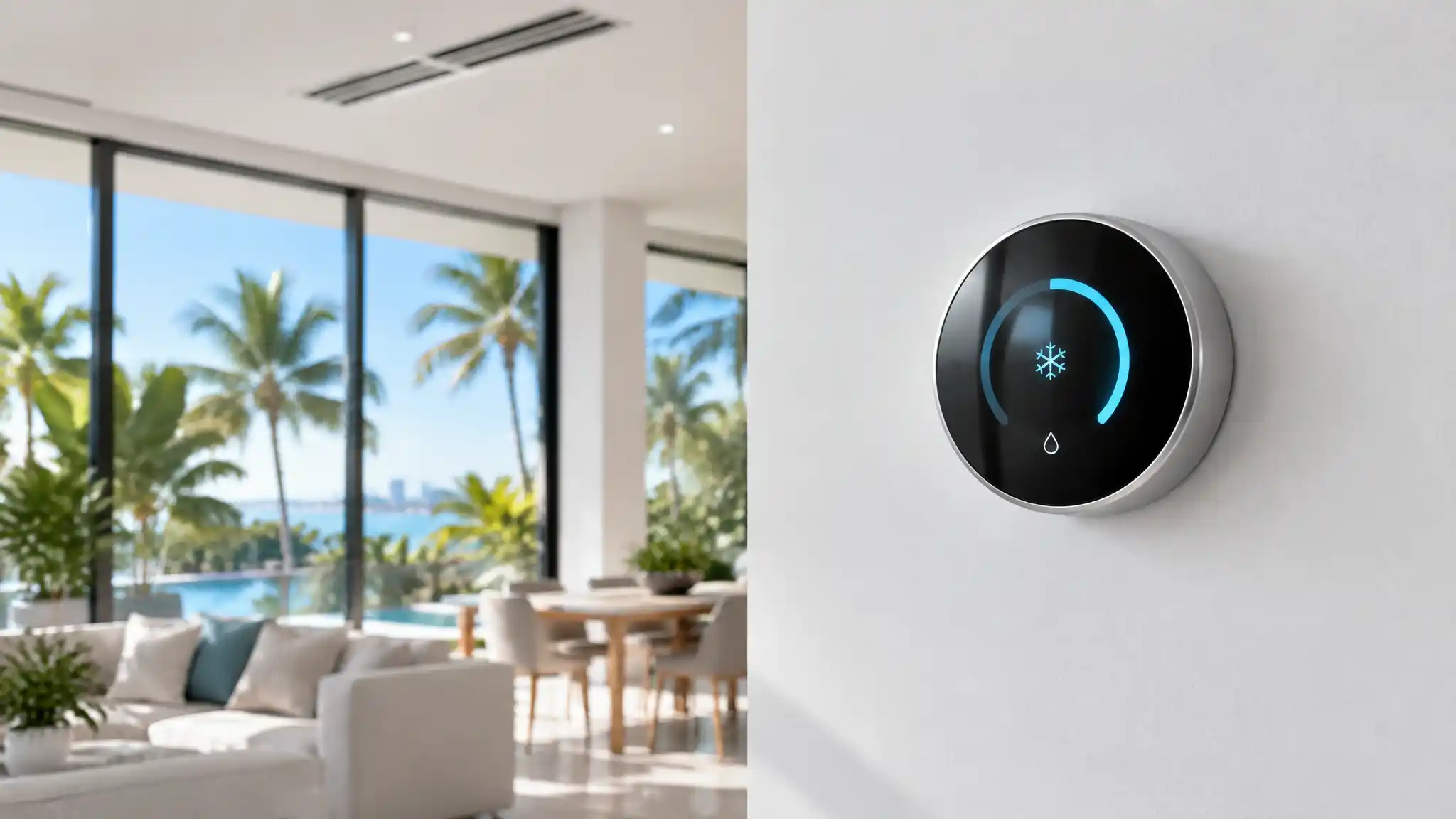
Florida summers place a relentless demand on home cooling systems. Long sunny days, humid nights, and frequent afternoon storms can make an air conditioner run for many hours. A smart thermostat gives homeowners a practical way to reduce waste without turning indoor comfort into a compromise. Instead of cooling every room at the same level all day, these connected controls respond to schedules, occupancy, weather patterns, and personal preferences. The right device can help a household manage cooling more deliberately, maintain healthier humidity levels, and understand how daily choices affect energy use.
Why Florida Homes Need Smarter Cooling Control
In a hot, humid climate, temperature alone does not define comfort. Indoor moisture can make a room feel warmer than its displayed setting, encouraging residents to lower the thermostat more than necessary. That approach can increase runtime and expenses. Smart thermostat technology supports a more balanced strategy by pairing consistent temperature management with humidity awareness, automated schedules, and remote adjustments.
Florida homeowners also benefit from flexible control. A predictable workday may call for an energy-saving setback, while an unexpected early return calls for quick pre-cooling from a phone. Wi-Fi thermostat control makes those changes simple. It also helps seasonal residents check conditions while away, an important advantage when a vacant property needs reasonable cooling and moisture management.


Features That Matter Most in Florida
Start with HVAC compatibility. Many Florida properties use heat pumps, multi-stage equipment, or systems with specialized dehumidification settings. Confirm that a thermostat supports the existing wiring, cooling stages, and system type before purchase. A C-wire often provides steady power for advanced displays and wireless features, although some models offer alternative installation solutions.
Next, prioritize humidity monitoring. A thermostat cannot remove moisture by itself, but compatible HVAC equipment can use longer cooling cycles or dedicated settings to improve dehumidification. Indoor humidity control can make a home feel comfortable at a slightly higher temperature while limiting the clammy feeling that often drives unnecessary overcooling.
Room sensors deserve attention too. Sun-facing bedrooms, upstairs offices, and large living areas rarely behave alike. Wireless temperature sensors measure conditions in the rooms people actually use. By averaging readings or prioritizing occupied spaces, they can reduce hot spots without forcing the entire house to chase one uncomfortable room.
Finally, look for energy reports, geofencing, vacation mode, and clear app controls. Energy usage reports turn vague concerns into useful patterns. Geofencing can adjust settings when household members leave or approach home. Vacation mode keeps a property from becoming excessively hot during travel, while remote access lets owners respond to changing plans without wasted cooling.
Leading Smart Thermostat Options
The best smart thermostat for Florida summer depends on the home, HVAC system, and preferred smart-home platform. The ecobee Smart Thermostat Premium is a strong choice for households that need room-by-room awareness. Its included sensor helps address uneven temperatures, and its broad smart-home support suits homes that already use voice assistants. Its feature set can appeal to owners who value comfort data, occupancy awareness, and detailed control rather than a basic schedule.
The Google Nest Learning Thermostat is another compelling option for homeowners who want automation with a simple interface. Its learning approach can build a routine from repeated adjustments, while Eco settings help reduce unnecessary conditioning when no one is home. It is especially suitable for people who prefer a thermostat that gradually adapts instead of requiring extensive manual programming.
For a more straightforward experience, the Emerson Sensi Touch 2 offers touchscreen operation, mobile control, and useful system information. It fits homeowners who want an easy Wi-Fi thermostat without relying heavily on learning behavior. Clear scheduling can still produce meaningful cooling efficiency when a household follows regular daily patterns.
Amazon Smart Thermostat provides a budget-conscious route for Alexa households. It emphasizes app and voice control, guided energy settings, and practical automation rather than premium hardware. Before selecting it, buyers should verify HVAC compatibility and consider whether its Alexa-centered ecosystem matches the rest of their connected home.
How to Set a Smart Thermostat for Summer Savings
A smart device delivers better results when its settings match real life. Choose a comfortable occupied temperature, then create modest setbacks for sleeping, work hours, or errands. Avoid dramatic swings that demand aggressive catch-up cooling. A gradual, consistent schedule generally supports both comfort and efficient HVAC operation.
Keep the fan setting on Auto unless an HVAC professional recommends otherwise. Continuous fan operation can redistribute moisture from the cooling coil after a cycle ends, which may make indoor air feel more humid. Monitor the home for a week after changing settings. If rooms feel sticky, warm, or uneven, adjust the schedule carefully and review sensor placement before making large temperature changes.
Use geofencing thoughtfully. It works best when household members share reliable location permissions and the home is genuinely vacant. For homes with pets, frequent visitors, or varying schedules, a fixed weekday schedule may be more dependable. Combine automated rules with manual app access so you remain in control when plans change.
Installation and Maintenance Considerations
A smart thermostat is not a cure for neglected equipment. Replace filters on schedule, keep condensate drainage clear, and arrange qualified HVAC maintenance when cooling performance declines. If the system short cycles, struggles to reach its setpoint, freezes, leaks, or produces unusual sounds, solve the mechanical issue rather than simply lowering the temperature setting.
DIY installation can work for a simple, compatible low-voltage system with clearly labeled wiring. However, heat pumps, multi-stage systems, zoning equipment, missing C-wires, and older wiring deserve professional assessment. Correct installation protects equipment, enables intended features, and prevents a thermostat from limiting a capable system to basic operation.
Making the Right Purchase Decision
Compare total value, not only the purchase price. A less expensive model may be ideal for a small home with regular routines, while a sensor-equipped thermostat may offer better comfort in a larger, multi-level layout. Check supported platforms, warranty details, app usability, and the manufacturer compatibility checker. Also ask a local utility or HVAC provider whether energy programs or rebates apply in your service area.
For Florida, prioritize a model that works reliably with your air conditioner, supports humidity-conscious comfort, and makes energy-saving habits easy to sustain. The most effective thermostat is not necessarily the most complex one. It is the model you can install correctly, understand quickly, and use consistently through the longest, hottest part of the year during peak summer demand.
Amazon Product Recommendation
Consider the Amazon Smart Thermostat for an affordable Alexa-focused option. It is listed as an Amazon option in CNET’s current smart thermostat roundup, which highlights its Alexa compatibility, energy guidance, and budget-oriented positioning. Confirm your system wiring and compatibility before ordering.