
Why Florida Apartments Need Water Leak Protection
Florida’s humid climate, frequent storms, and aging plumbing systems create the perfect conditions for hidden water damage. Apartment dwellers face unique risks because leaks often originate from neighboring units, shared pipes, or rooftop HVAC systems. A single undetected leak can soak carpets, warp flooring, and trigger mold growth within 24 to 48 hours. Smart water leak sensors solve this problem by alerting residents the moment moisture appears, long before visible damage occurs.
How Smart Leak Detectors Work
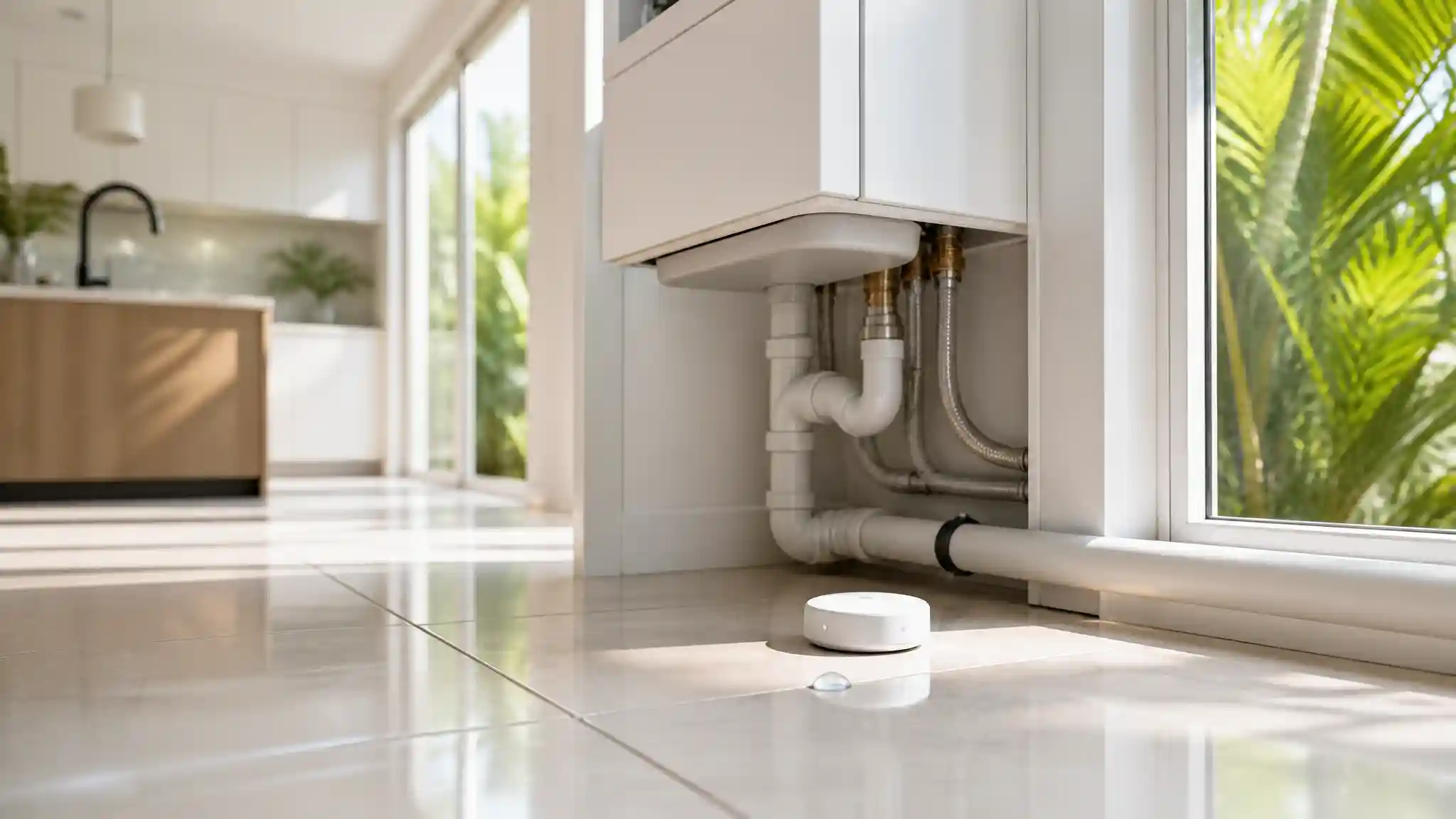
Modern leak detectors use small sensors placed near sinks, water heaters, washing machines, and air conditioning units. These devices send instant push notifications to your smartphone through Wi-Fi or a connected hub whenever they detect unexpected moisture. Many models also monitor temperature and humidity levels, helping renters catch freezing pipes or excessive condensation before they cause real trouble. Some advanced systems even pair with automatic shut-off valves that stop water flow the instant a leak is detected, reducing damage even when you’re away.
Top Features Apartment Renters Should Look For
Choosing the right device depends on your living situation. Renters should prioritize battery-powered sensors that require no professional installation, since most leases prohibit permanent plumbing modifications. Look for models offering long battery life, loud audible alarms, and reliable smartphone integration through apps like Google Home, Amazon Alexa, or SmartThings. Waterproof housing matters too, especially in Florida’s high-humidity environment where condensation can trigger false alarms if a sensor isn’t built for damp conditions.
Placement Tips for Maximum Protection
Position sensors strategically around your apartment to catch leaks at their source. Place one unit under the kitchen sink, another near the bathroom toilet, and a third beside the washing machine or water heater closet. Balcony doors and window sills also deserve attention during Florida’s rainy season, as wind-driven rain frequently seeps through poorly sealed frames. For upper-floor units, consider placing a sensor near the air conditioning drain pan, since clogged condensate lines rank among the most common causes of apartment water damage statewide.
Benefits Beyond Damage Prevention
Installing a leak detection system offers advantages that extend past emergency alerts. Many renters insurance policies now offer discounts for tenants who use smart monitoring devices, since insurers recognize the reduced risk of costly claims. Property managers also appreciate proactive tenants, and demonstrating responsible leak prevention can strengthen your relationship with landlords. Additionally, these gadgets integrate seamlessly into broader smart home ecosystems, letting you monitor multiple rooms from a single dashboard alongside smart locks, thermostats, and security cameras.
Choosing Between Wi-Fi and Hub-Based Systems
Wi-Fi-connected sensors communicate directly with your home network and typically cost less upfront, making them ideal for smaller apartments with a single leak-prone area. Hub-based systems, on the other hand, use a central base station to extend range and improve reliability across multiple rooms. Renters living in larger units or those wanting comprehensive flood monitoring across several appliances often prefer hub-based setups, since they support more sensors and offer stronger connectivity even in buildings with thick concrete walls common throughout Florida high-rises.
Maintaining Your Leak Detection System
Regular maintenance ensures your sensors perform reliably when it matters most. Replace batteries every six to twelve months, and test the alarm function monthly using a damp cloth. Keep the smartphone app updated to receive the latest firmware improvements and security patches. Wipe sensor surfaces periodically to remove dust or mineral buildup, particularly in bathrooms where hard water deposits accumulate quickly. A well-maintained system provides peace of mind throughout hurricane season and beyond.
Making the Smart Choice for Your Florida Rental
Water leak sensors represent one of the most affordable ways to protect your belongings and avoid disputes with landlords over damage deposits. Given Florida’s exposure to tropical storms, sudden downpours, and humidity-driven plumbing issues, investing in reliable moisture detection technology is a practical decision for any renter. Combining smart sensors with good habits—like checking under sinks regularly and reporting building-wide leaks promptly—creates a comprehensive defense against water damage.
Recommended Product
For Florida apartment renters seeking a dependable, easy-to-install option, the Govee Water Sensor WiFi available on Amazon.com offers loud 100dB alarms, smartphone alerts, and reliable Wi-Fi connectivity without requiring a separate hub—making it a practical fit for rental units.