
Best Water Leak Sensors for San Francisco Apartments
Water damage rarely starts with a dramatic burst pipe. In many San Francisco apartments, it begins with a slow drip below a kitchen sink, a loose washing-machine hose, or a toilet supply line that leaks while nobody is home. Because apartments share walls and plumbing routes, a problem can quickly affect another unit. A dependable water leak sensor gives renters, owners, and property managers an early warning before moisture becomes an expensive repair.
Why Apartment Leak Detection Matters
San Francisco homes and apartment buildings can include older plumbing, compact utility spaces, and multi-level layouts. These conditions make early leak detection especially valuable. A water leak detector does not repair a pipe, but it alerts you when water reaches its probes. You can then shut off the water and contact maintenance.
For renters, a portable wireless water sensor offers simple protection without altering plumbing. For owners, smart home water monitoring can add another layer of property protection between inspections. Property managers can place multiple devices in high-risk areas.
Where to Place a Water Sensor
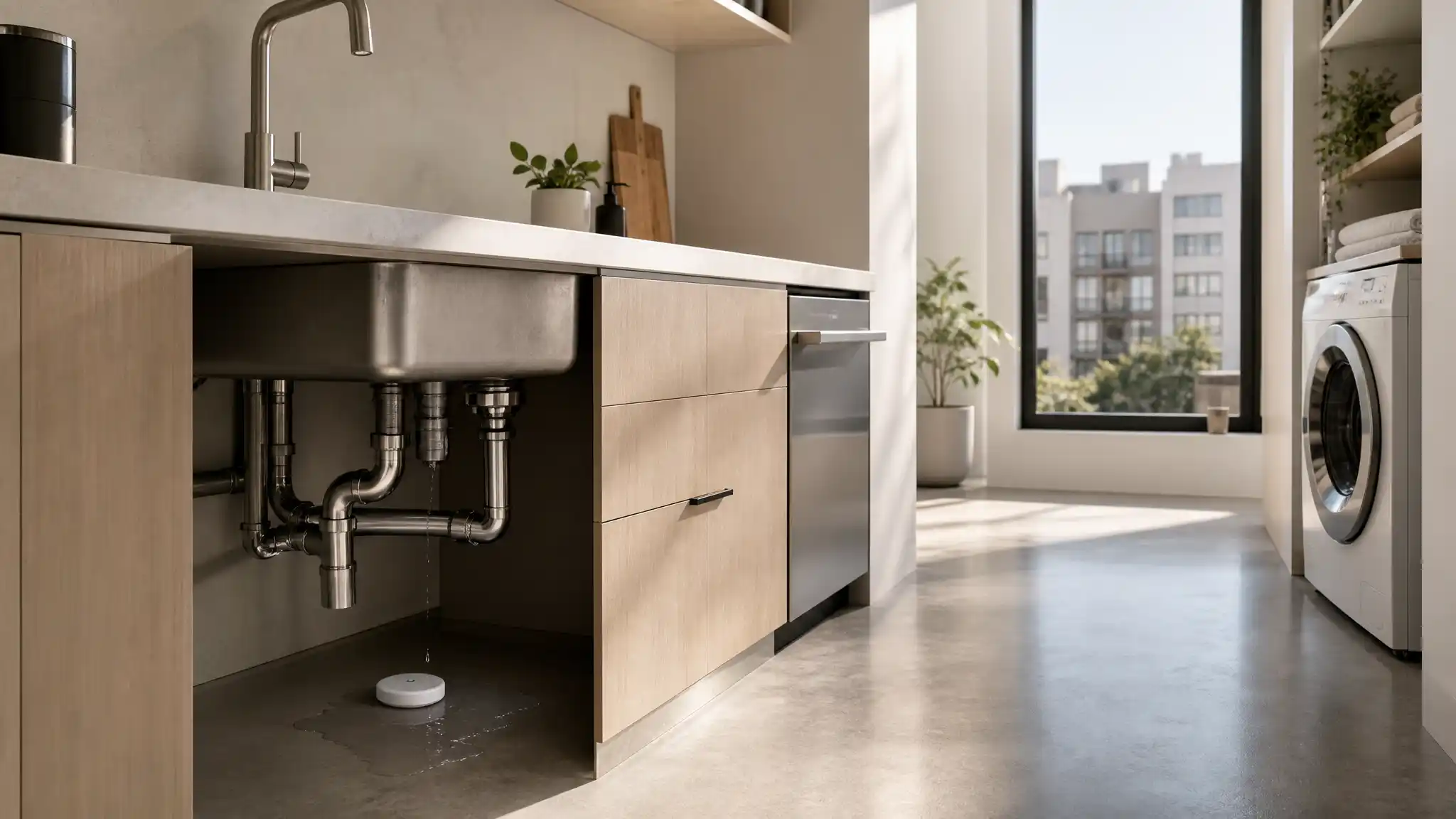
Placement has more impact than buying the most feature-packed device. Start under every kitchen sink and bathroom vanity, where drain fittings and supply valves can drip unnoticed. Place a bathroom leak sensor beside toilets, behind pedestals, and near tubs. A laundry room leak detector belongs behind or beside the washing machine.
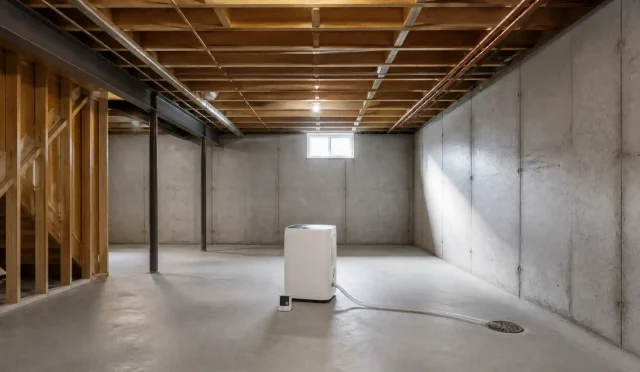
Also protect the water heater pan, dishwasher, refrigerator water line, and any utility closet with exposed plumbing. In a ground-floor unit or building storage area, a basement flood sensor can help identify pooling water early. Keep each sensor flat on a clean, dry surface, and avoid positions where routine splashes trigger unnecessary alerts.
Features That Make a Sensor Apartment-Friendly
The best water leak sensors combine reliable detection with an alert you will actually notice. A local audible alarm is useful when someone is inside the apartment, while app notifications matter when the unit is empty. Choose a WiFi water sensor if you want remote notifications, but verify that the device can connect reliably to your apartment’s network. Some systems use a hub instead of connecting directly to Wi-Fi; this can improve range in larger or denser buildings.
Look for a low battery alert, because a silent device with a dead battery cannot protect anything. A waterproof sensor housing, often marked with an IP rating, handles humid locations better. If you need coverage behind appliances or inside tight cabinets, select a model with an extension probe or sensing cable. This design can catch a pipe leak before water spreads far enough to reach a floor-mounted device.
Many apartment residents benefit from a simple battery powered water alarm, especially when they need an affordable, no-installation solution. However, a smart water leak detector is often the stronger choice for frequent travelers, landlords, or anyone who wants instant phone alerts. The right option depends on whether you need local sound, remote access, or both.
Comparing Sensor Types
Standalone sensors are the simplest category. They detect moisture and sound an alarm. They work well for a single under-sink location, and they do not require a router, hub, or app. Their limitation is obvious: you must be close enough to hear them.
Wi-Fi and hub-based devices provide remote water leak alerts through an app, and some can send email or text-style notifications depending on the service. These models suit vacant units, short-term rentals, and busy households. Before buying, check the supported network band, subscription requirements, notification options, and battery replacement method.
A whole home leak detection system takes protection further by monitoring water flow and, in some setups, working with an automatic water shut off valve. This approach may fit owners of larger properties, but apartment residents should first confirm building rules and obtain permission before changing a shared or building-managed water line.
How to Choose the Right Device
Begin with a practical coverage map. Count sinks, toilets, appliances, and water heaters rather than buying one sensor for the entire apartment. A multi-pack often gives better protection and keeps every vulnerable location covered. Next, decide who needs the alert. A loud in-unit alarm may be enough for an occupied home, while remote alerts are more important for a second home or rental.
Test your sensors after installation and repeat the test when you replace batteries. Label each device in its app by location, such as “Hall Bath Toilet” or “Kitchen Dishwasher,” so you can react quickly. Finally, treat sensors as part of a prevention routine: inspect hoses, keep drains clear, and report persistent dampness immediately. Technology works best when residents act on alerts without delay.
Final Takeaway
The best water leak sensor for a San Francisco apartment is one that fits the places where leaks are most likely, sends alerts you can receive, and remains easy to maintain. Put sensors near every water source, prioritize remote notifications when you spend time away, and choose a system that matches your building’s Wi-Fi and maintenance rules. A small device cannot prevent every plumbing failure, but it can turn a hidden drip into a quick, manageable response.
Amazon Product Recommendation
GoveeLife Upgraded Smart Water Leak Detector 1s, 3 Pack is a practical option for apartments because it offers app, SMS, and email alerts, an IP67-rated design, and multi-sensor coverage. Check the current listing for availability and pricing.