
Navigating Pennsylvania Terrain with Cutting-Edge GPS Tech
Pennsylvania offers one of the most diverse and demanding landscapes for runners in the United States. Athletes sprint along the paved paths of Philadelphia’s Schuylkill River Trail, navigate rolling farmland routes in Lancaster County, and climb rocky ascents across the Appalachian Trail. Every distinct route presents specific environmental challenges, from deep forest canopies to freezing winter mornings and humid summer afternoons. Modern runners require wrist technology that withstands varying microclimates while delivering hyper-accurate data. Selecting the ideal wearable transforms daily training into structured progress, turning raw effort into measurable athletic breakthroughs.
When you sprint through dense valley woodlands in Michaux State Forest or run beneath towering downtown skyscrapers, standard satellite signals frequently scatter. Pennsylvania athletes specifically benefit from dual-frequency GPS accuracy, which locks onto multiple satellite bands simultaneously to eliminate distance discrepancies. Traditional single-band sensors often register distorted paths when thick hemlocks block open sky views, miscalculating interval pacing and cumulative mileage. Cutting-edge tracking chips process signals despite geographical obstructions, ensuring every mile split reflects reality whether you train in remote state parks or crowded city streets.
Essential Features for Keystone State Running Conditions
State running conditions shift drastically across four distinct seasons, demanding rugged multisport durability from any wrist device. Pennsylvania winters regularly plunge temperatures below freezing, stressing standard lithium batteries and dimming lower-tier screens. Dedicated endurance athletes need reliable cold weather battery performance to complete three-hour weekend long runs without sudden shutdowns. Premium wearable models integrate specialized power management profiles that preserve satellite tracking and wrist sensors even during sub-zero December outings across windy ridges.
Elevation profiles across the Commonwealth change abruptly, requiring advanced trail running elevation tracking to monitor physical strain. A gentle warm-up along the Susquehanna River can quickly transition into a grueling vertical ascent through rocky state game lands. Barometric altimeters read atmospheric pressure changes instantaneously, differentiating between gradual rolling hills and sharp, quad-burning climbs. Real-time elevation profiles allow athletes to budget stamina prudently, avoiding premature fatigue before tackling punishing switchbacks on technical mountain terrain.
Mastering Navigation and Deep Woods Safety
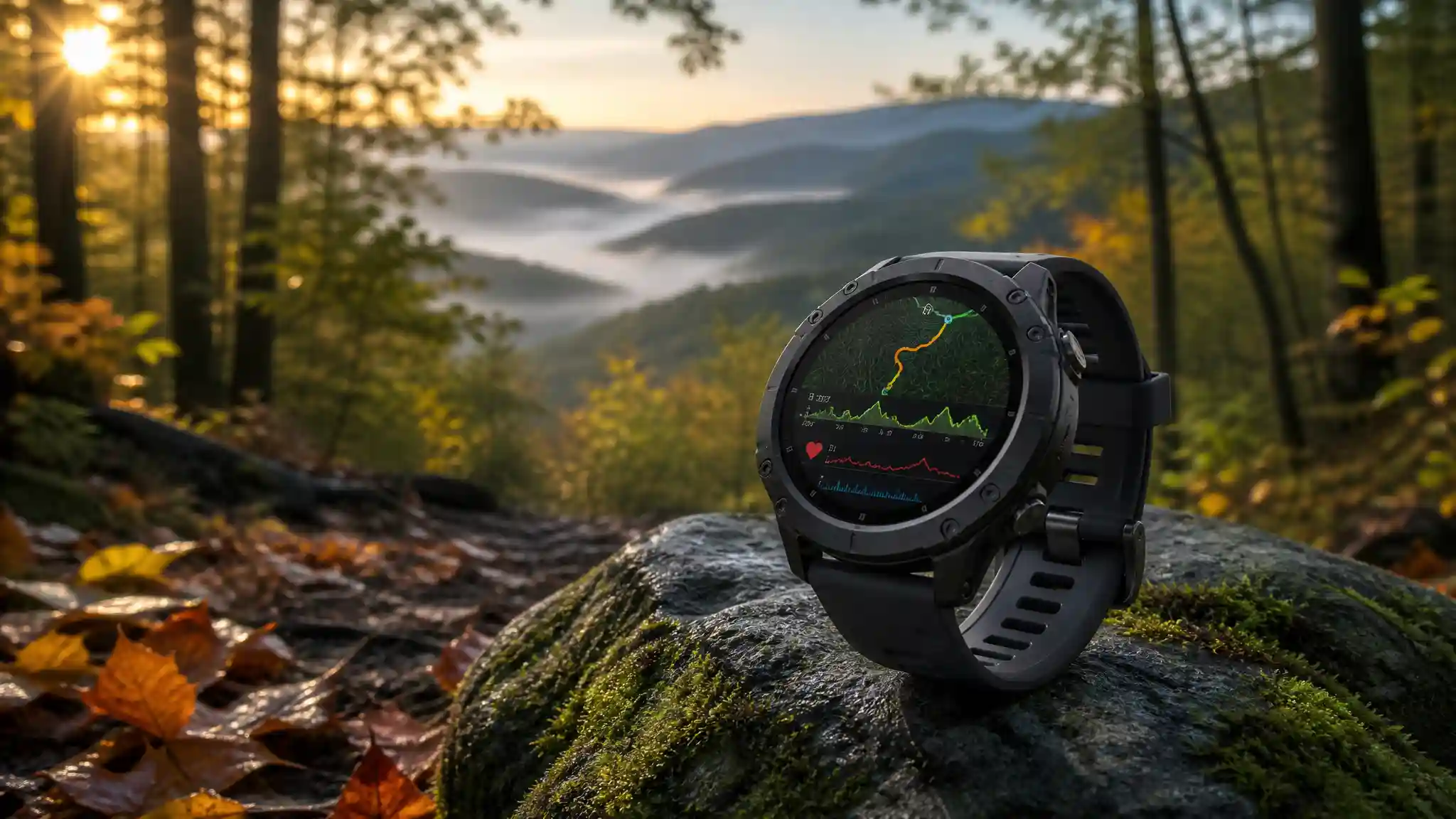
Venturing onto remote singletrack routes in the Pennsylvania Wilds or exploring Rothrock State Forest demands dependable self-sufficiency. Dedicated trail runners actively use offline topographic mapping directly on their wrists to prevent disorientation at unmarked trail crossings. High-contrast color maps clearly display contour lines, water sources, and upcoming trail forks without requiring cellular service. Athletes download regional vector maps before heading into mountain valleys, ensuring immediate access to visual turn-by-turn prompts that guide them safely back to trailheads before sunset.
Dense tree cover across the Allegheny Plateau often challenges navigational sensors, making multi-band GNSS reception an indispensable safeguard. By collecting satellite data from GPS, GLONASS, Galileo, and BeiDou networks simultaneously, premium running devices maintain pinpoint directional awareness. Runners receive instant navigational recalculations whenever they drift off designated pathways, preventing accidental detours into protected wilderness corridors or rocky ravines during foggy trail sessions.
Physiological Tracking and Recovery Insights
Consistent endurance progression requires a delicate equilibrium between heavy aerobic strain and restorative physiological rest. Modern training systems analyze heart rate variability metrics every morning to assess autonomic nervous system balance and cumulative stress. Running through humid July mornings in the Lehigh Valley taxes cardiovascular reserves much faster than crisp autumn tempo workouts. Biometric sensors quantify this systemic stress, signaling whether an athlete should attempt demanding hill intervals or substitute active recovery.
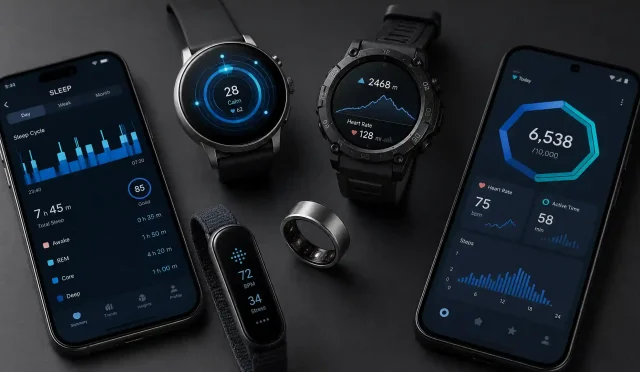
High-level physiological monitoring also detects underlying fatigue before overuse injuries sideline ambitious athletes. Optical sensors track resting pulse rates, peripheral blood oxygen saturation, and detailed sleep architecture across rapid eye movement and deep rest cycles. Runners monitor these integrated health markers over weeks, identifying fitness trends and adjusting weekly mileage targets before minor physical niggles escalate into chronic tendon issues.
Elevating Pavement and Marathon Preparation
Urban and suburban road runners targeting the Philadelphia Marathon or Pittsburgh Marathon structure their workouts around strict velocity zones. Highly responsive road running pace alerts notify athletes via audible chimes or haptic buzzes whenever their cadence slips outside target race parameters. Instantaneous velocity feedback prevents runners from surging recklessly along flat straightaways or slowing down inadvertently during prolonged climbs through urban neighborhoods.
Contemporary training platforms also generate dynamic marathon training plans that automatically recalibrate following missed workouts or sudden fitness spikes. Advanced software evaluates previous workout performances, weekly training volume, and recovery scores to suggest specific daily efforts. If an athlete struggles through a humid Tuesday workout, the platform intelligently reduces Wednesday’s prescribed intervals to ensure systemic physical adaptation without athletic burnout.
Finding the Perfect Balance for Pennsylvania Athletes
Choosing an ideal wrist instrument involves balancing durability, biometric accuracy, battery endurance, and software sophistication. Road racers prioritizing ultra-light designs often seek sleek, aerodynamic models that practically disappear on the wrist during high-cadence 5K sprints. Conversely, ultra-endurance trail specialists require titanium bezels, sapphire crystal lenses, and extended multi-day battery reserves that outlast arduous 100-mile mountain tests across rigorous terrain.
Urban commuters running through Pittsburgh’s diverse bridges or Harrisburg’s greenbelts value seamless smart connectivity alongside core athletic telemetry. Built-in payment features allow athletes to grab mid-run hydration without carrying wallets, while on-device music storage powers cadence without requiring a bulky smartphone. Integrating functional smart capabilities with elite sports analytics produces a versatile tool that transitions effortlessly from dawn marathon intervals to corporate offices across Pennsylvania.
Pennsylvania runners face an authentic proving ground that separates mediocre gadgets from truly dependable training instruments. Variable weather patterns sweep across the Pocono Mountains down to the Delaware Valley, bringing sudden rainstorms, slushy roads, and intense humidity. Wearable technology must therefore operate flawlessly across every atmospheric shift without failing the athlete mid-stride. A dependable wrist device transforms unpredictable outdoor elements into structured data points, validating every hard-earned mile you accumulate throughout the calendar year.
Final Verdict on Running Wearables
Investing in a dedicated running device empowers Pennsylvania athletes to train with precision, explore technical backwoods trails confidently, and master diverse seasonal extremes. Whether traversing muddy spring singletracks, crushing summer road intervals, or logging freezing winter baseline miles, the right wearable records every stride accurately and guides your continuous athletic evolution across the Keystone State. Equipping yourself with superior wrist technology elevates daily confidence, boosts overall training consistency, and unlocks your ultimate physiological running potential across every iconic Pennsylvania community.
Amazon Product Recommendation
Garmin Forerunner 965 — A premium choice for Pennsylvania runners, offering an AMOLED display, built-in color topographic maps, multi-band GNSS support, and long battery life for forest trails, changing weather, and marathon training.