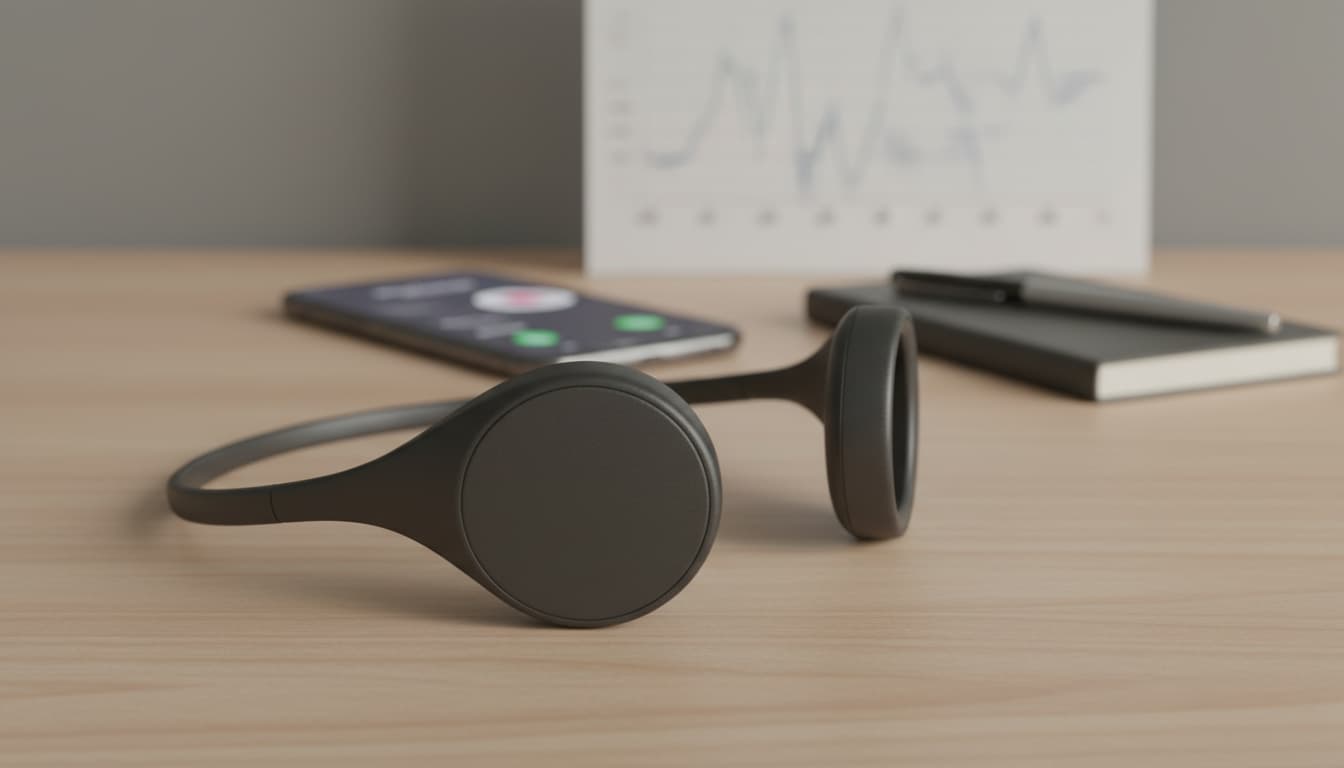

Bone conduction headphones for hearing are emerging as a discreet, comfortable, and versatile option for people who want clearer sound without blocking their ear canals. Instead of transmitting sound through the eardrum like traditional earbuds and over-ear models, these devices send gentle vibrations through the cheekbones to the inner ear (cochlea). This unique pathway can help listeners maintain situational awareness, reduce ear fatigue, and in some cases support those with certain types of hearing loss. If you’re seeking a natural-feeling, organic listening experience that frees your ears while staying almost invisible under hair or glasses, bone conduction can be a powerful solution.
How bone conduction works in simple terms
Sound is vibration. Bone conduction headphones rest on the temporal bone near the ear, turning audio into micro-vibrations. These bypass the eardrum and reach the cochlea directly. The brain interprets these vibrations as sound, much like normal hearing—just via a different route. This is why many users describe bone conduction as open, airy, and more “organic,” since the ear canal remains open to ambient sounds like conversations, traffic, or nature.
Who can benefit from bone conduction headphones?
- People who want discreet hearing support: The low-profile design sits outside the ear, often hidden by hair or glasses. This can be helpful in work settings or social environments where visibility of devices matters.
- Individuals with conductive hearing issues: For some types of conductive hearing loss (where the outer or middle ear limits sound transmission), bone conduction can help by bypassing the problem area. Note: This is not a medical device unless certified as such; consult an audiologist before relying on it for clinical use.
- Professionals needing situational awareness: Runners, cyclists, delivery drivers, and on-site teams can hear alerts and colleagues while listening to prompts, calls, or audio guides.
- People with ear sensitivities: If silicone tips or in-ear pressure cause discomfort, bone conduction removes that in-canal contact, reducing irritation and fatigue.
Key advantages of bone conduction for hearing support
- Discreet and comfortable wear: Lightweight frames rest on the cheekbones, minimizing pressure on ears. They can be worn with glasses, masks, or helmets, and they don’t tangle hair inside the ear.
- Open-ear safety: You can keep an ear on your surroundings, which is crucial in traffic, at the office, or during outdoor training.
- Reduced occlusion effect: Many users dislike the “plugged” feeling from in-ear buds. With bone conduction, your ear canal remains open, preserving a natural soundstage and breathability.
- Hygienic and ear-health friendly: Less moisture and wax buildup compared to sealed earbuds. This can be a relief during long workdays or workouts.
- Versatile use cases: From subtle call support to accessibility in learning environments, bone conduction easily shifts between music, voice, and navigation.
Considerations and limitations
- Sound leakage: Because the ear canal isn’t sealed, some sound can leak at higher volumes. Modern models improve this with tuned transducers, but it’s still a factor for very quiet spaces.
- Bass response: Bone conduction prioritizes clarity and midrange intelligibility; you may notice lighter bass compared to premium in-ear monitors. For spoken word, calls, and podcasts, it’s excellent. For bass-heavy music, choose models with enhanced low-frequency tuning.
- Not a medical replacement: Unless you’re using an FDA-cleared or medically approved bone conduction hearing device, think of consumer bone conduction headphones as supportive—not clinical—tools. Always seek professional guidance for hearing health decisions.
Discreet support features to look for
- Low-profile frame: Slim, matte finishes reduce reflections and visibility. Neutral colors (black, dark gray) blend with hair and eyewear.
- Secure, comfortable fit: Flexible titanium or composite frames offer gentle clamping force without hotspots. Adjustable designs accommodate varied head shapes.
- Call clarity with noise reduction: Dual-mic or beamforming arrays help isolate your voice in windy or noisy environments—key for professional calls.
- MultipoInt and quick switching: Seamlessly swap between a laptop and smartphone to handle calls while listening to training videos or meetings.
- Long battery life and fast charging: Aim for 6–10 hours of playback and quick top-ups to avoid downtime during workdays or travel.
- Sweat and dust resistance: IP55 or higher ratings ensure reliability during workouts or commutes.
- Safe volume and hearing-friendly tuning: Look for volume limiting, EQ presets for speech clarity, and transparency that preserves natural ambient cues.
Practical use cases
- Work and productivity: Keep your ears open to colleagues while taking calls, dictating notes, or attending virtual meetings. Discreet frames keep attention on your conversation—not your gear.
- Learning and accessibility: Students or professionals with auditory processing challenges may find bone conduction helpful for following lectures while remaining aware of classroom dynamics.
- Fitness and commuting: Maintain awareness of traffic and route guidance while enjoying music or coaching prompts. This is especially valuable for early-morning or evening runs.
- Caregiving and parenting: Stay reachable to a child or elder’s needs while handling phone calls or listening to instructions—without blocking your ears.
- Content creation and fieldwork: Journalists, creators, and technicians can monitor audio cues without isolating from the environment.
Setup tips for an organic, natural experience
- Placement matters: Rest the transducers just in front of your ears on the cheekbones, not on the cartilage. This maximizes clarity and comfort.
- Moderate volume: Start lower than you think; because your ears are open, speech often sounds clearer at modest levels. This also reduces potential leakage and fatigue.
- Use EQ wisely: If your app or device offers EQ, try a mild boost in the midrange for spoken content or a gentle low-end lift for music—avoid extreme settings.
- Keep the skin contact clean: Wipe the transducers and contact area to maintain consistent conduction and hygiene, especially after workouts.
- Pair with hearing-friendly habits: Take listening breaks, follow 60/60 guidelines (no more than 60% volume for 60 minutes at a time), and schedule periodic hearing checkups.
Buying guide: choosing the right bone conduction headphones for discreet hearing support
- Fit and comfort first: If possible, try them on. A comfortable clamp force and stable placement will matter more than marginal spec differences.
- Mic quality for calls: Look for wind reduction and AI noise cancellation if you take frequent calls outdoors or in noisy spaces.
- Battery and charging: If you’re on the move, prioritize fast charging and a reliable day’s worth of use.
- Water resistance and durability: For active users, an IP rating and robust frame help the headphones last longer.
- App ecosystem and updates: Companion apps can deliver firmware updates, EQ options, and button remapping to fine-tune the experience.
- Warranty and support: Choose brands with responsive customer service and clear return policies.
Safety and hearing wellness
Although bone conduction bypasses the eardrum, your inner ear still receives sound energy. Prolonged high-volume listening can contribute to fatigue. Balance discreet support with safe listening practices:

- Keep volumes modest in quiet settings; you often don’t need much gain to understand speech.
- Limit usage duration during very loud environments to protect long-term hearing health.
- Remember that awareness is an advantage—use it. If surroundings get risky or loud, reduce volume or pause audio.
The bottom line
Bone conduction headphones provide a discreet, organic way to support hearing in everyday life. By keeping your ears open, they preserve awareness, comfort, and communication while delivering clear audio for calls, podcasts, and light music listening. For many people—whether navigating busy streets, collaborating in open offices, or managing sensitive ears—this open-ear approach strikes the right balance between clarity, safety, and subtlety. While not a medical substitute, the latest bone conduction designs offer practical, user-friendly support that blends seamlessly into your routine.