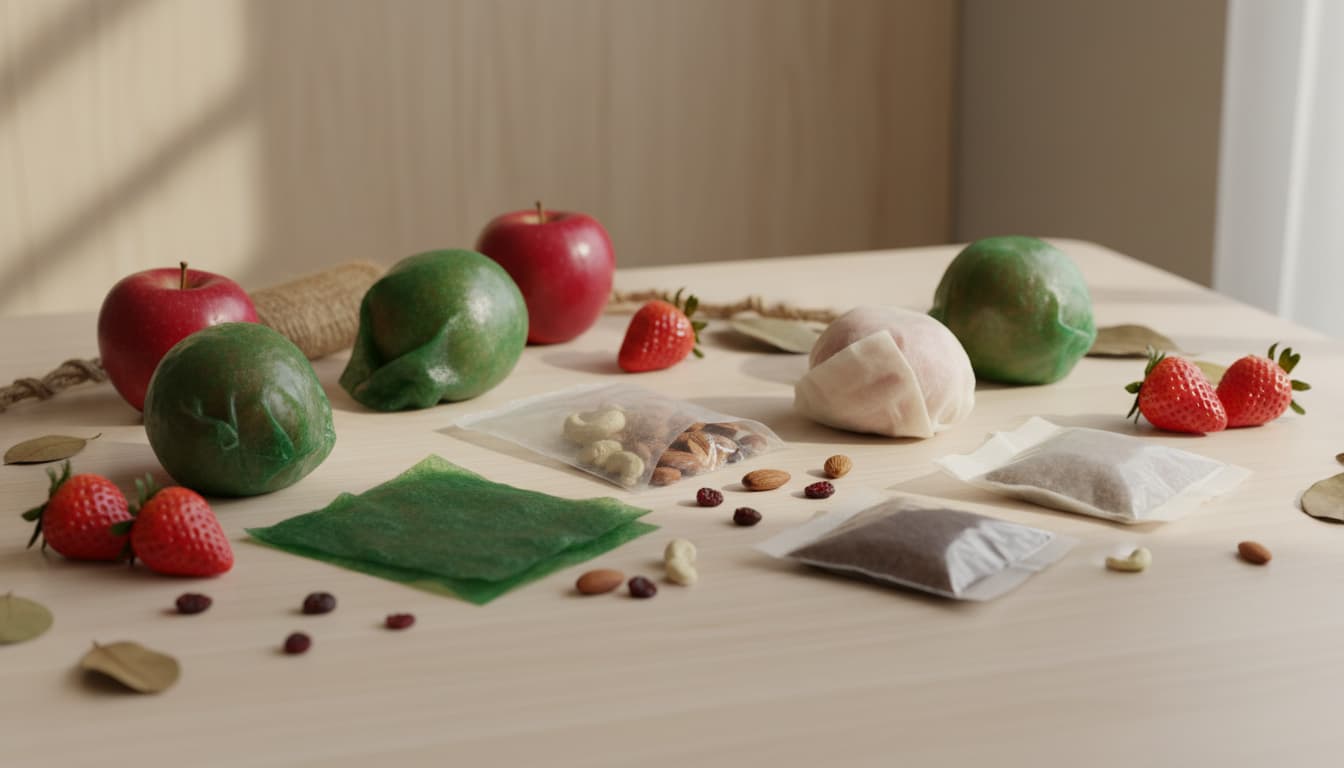

As global awareness of plastic pollution grows, edible packaging films are emerging as a promising, sustainable alternative to conventional plastics. Designed to be safe for consumption, these films reduce waste at the source while offering functional protection for food. They can be made from natural, biodegradable polymers such as starch, cellulose, proteins, lipids, and polysaccharides. Beyond sustainability, edible films can improve shelf life, prevent moisture migration, and even deliver flavors, nutrients, or antimicrobials. This article explores what edible packaging films are, how they’re made, their benefits and limitations, regulatory considerations, and the future of this rapidly evolving field.
What Are Edible Packaging Films?
Edible packaging films are thin layers created from food-grade materials that can be safely eaten along with the product they protect. Unlike conventional plastic films that become waste after use, edible films can be consumed or composted. They are often used as primary barriers in direct contact with foods—such as fruits, vegetables, cheeses, confectionery, bakery products, and ready-to-eat items.
Edible films can be:
- Standalone wraps or coatings applied directly on food surfaces
- Pouches, sachets, or dissolvable units for dry ingredients and single-serve applications
- Laminated structures combining different biopolymers to optimize barrier and mechanical performance
Key Materials and Formulations
The performance of edible packaging depends on the base polymer and additives used.
- Polysaccharides: Starch, cellulose, pectin, alginate, and chitosan offer good oxygen barrier properties and clarity. Chitosan, in particular, has inherent antimicrobial properties.
- Proteins: Gelatin, whey protein, casein, soy protein, and zein produce flexible, transparent films with strong gas barrier characteristics. They often require plasticizers to prevent brittleness.
- Lipids: Waxes and fatty acids provide strong moisture barriers, making them ideal for products sensitive to water activity. However, purely lipid films can be less mechanically robust.
- Plasticizers: Glycerol, sorbitol, and polyethylene glycol are common plasticizers used to improve flexibility and reduce cracking.
- Functional additives: Natural antimicrobials (like essential oils, organic acids, nisin), antioxidants (tocopherols, plant extracts), colors, flavors, probiotics, and micronutrients can be incorporated to enhance safety, quality, and consumer appeal.
Composite and multilayer films combine these categories—for example, a polysaccharide/protein layer for gas barrier with a thin lipid layer for moisture resistance—delivering balanced performance while remaining edible and biodegradable.
Functional Benefits and Performance
- Barrier properties: Edible films can significantly lower oxygen transmission, slowing lipid oxidation in nuts, snacks, and confections. With lipid phases, they can also reduce moisture migration, preserving texture in baked goods and fresh produce.
- Shelf-life extension: Coatings on fruits and vegetables reduce respiration rates and weight loss, leading to firmer texture, better color retention, and delayed ripening.
- Food safety: Incorporation of antimicrobial compounds helps suppress surface pathogens and spoilage organisms, decreasing food waste and improving safety.
- Sensory enhancement: Films can be tailored to be neutral or to carry subtle flavors and aromas that complement the product. Transparent films maintain visual appeal.
- Portion control and convenience: Single-serve, dissolvable pouches for coffee, seasoning blends, or instant beverages eliminate secondary packaging and reduce consumer handling steps.
Sustainability Impact
- Source reduction: Since films are edible, there is little to no post-consumer packaging waste, directly addressing landfill burden and marine litter.
- Biodegradability and compostability: Even when not consumed, most edible-film materials break down more readily than conventional plastics.
- Lower carbon footprint potential: Depending on feedstocks and processing, edible films can have a reduced lifecycle impact compared to petrochemical plastics, especially when feedstocks are sourced responsibly and manufacturing is energy-efficient.
- Food waste reduction: By extending shelf life and improving product stability, edible films indirectly reduce the environmental footprint associated with discarded food.
Manufacturing and Scalability
Common production methods include:
- Solvent casting: Biopolymers are dissolved/dispersed in water, cast on a surface, and dried into films. This is popular for R&D and specialty runs.
- Extrusion: Thermoplastic starch and protein blends can be extruded into continuous films at scale. Advances in twin-screw extrusion and compatibilizers have improved processability.
- Coating technologies: Dip-coating, spray-coating, and brushing are used to apply edible layers directly onto food surfaces in-line.
Challenges to scale include ensuring uniform thickness, consistent barrier performance, and compatibility with high-speed packaging lines. Recent innovations in formulation, process control, and modular equipment are accelerating commercial adoption.
Regulatory Landscape and Safety
Edible packaging films must meet food safety regulations, including:
- Use of Generally Recognized As Safe (GRAS) substances where applicable
- Compliance with food-contact material standards and labeling rules
- Allergen disclosure for protein-based films (e.g., milk, soy, or wheat proteins)
- Clear communication to consumers when films are intended for consumption versus removal
Regulatory frameworks vary by region, so manufacturers must validate materials and claims accordingly and conduct shelf-life, migration, and toxicology assessments as needed.
Consumer Acceptance and Market Trends
Consumers increasingly prioritize clean-label, natural, and eco-friendly packaging. Edible films align with these preferences, especially when:
- Ingredients are familiar (fruit-based pectin, plant proteins, seaweed extracts)
- Sensory attributes are neutral or complementary to the product
- Benefits are clearly communicated (e.g., “edible coating to keep fruit fresher longer”)
Market growth is also driven by e-commerce-ready foods, premium snacks, and functional products that value sustainability and differentiation. Partnerships between food brands, material startups, and equipment suppliers are catalyzing innovation.
Limitations and Considerations
- Moisture sensitivity: Many hydrophilic films can absorb water, affecting integrity. Lipid layers or coatings can mitigate this, but careful product–package matching is crucial.
- Mechanical strength: Some edible films may be more fragile than plastics; multilayer systems and plasticizers help, but drop/abrasion resistance can still lag.
- Allergen and dietary concerns: Protein sources may limit use for certain consumers; alternative polymers or clear labeling are necessary.
- Cost and scale: While costs are decreasing, some edible films remain more expensive than commodity plastics; total-cost-of-ownership analysis should include waste reduction and brand value.
Future Outlook
Research is rapidly advancing in:
- Nanocomposites and bio-based reinforcements to improve mechanical and barrier properties
- Smart films that indicate freshness or temperature abuse via natural colorants or pH-sensitive dyes
- Precision fermentation and engineered biopolymers for consistent quality and performance
- Circular supply chains that valorize agricultural byproducts (e.g., starch from peels, protein from side streams)
With regulatory clarity, process optimization, and growing consumer demand for sustainable solutions, edible packaging films are poised to become a mainstream plastic alternative across multiple food categories.
Practical Implementation Tips for Brands
- Start with pilot trials on products that benefit most from oxygen or moisture control (e.g., nuts, cheese, produce).
- Use multilayer edible structures for balanced performance, combining polysaccharide/protein barriers with lipid moisture protection.
- Validate sensory neutrality or tailor pleasant flavor notes for specific applications.
- Build transparent labeling around sustainability and functionality, including allergen info and disposal/consumption guidance.
- Conduct lifecycle and shelf-life studies to quantify environmental and economic benefits.
Edible packaging films offer a compelling pathway to reduce plastic waste while enhancing food quality and shelf life. By leveraging natural polymers and smart functional additives, brands can deliver safer, fresher, and more sustainable products. Although challenges remain—in moisture sensitivity, mechanical robustness, and cost—the pace of innovation suggests edible films will play a pivotal role in the next generation of eco-friendly packaging.