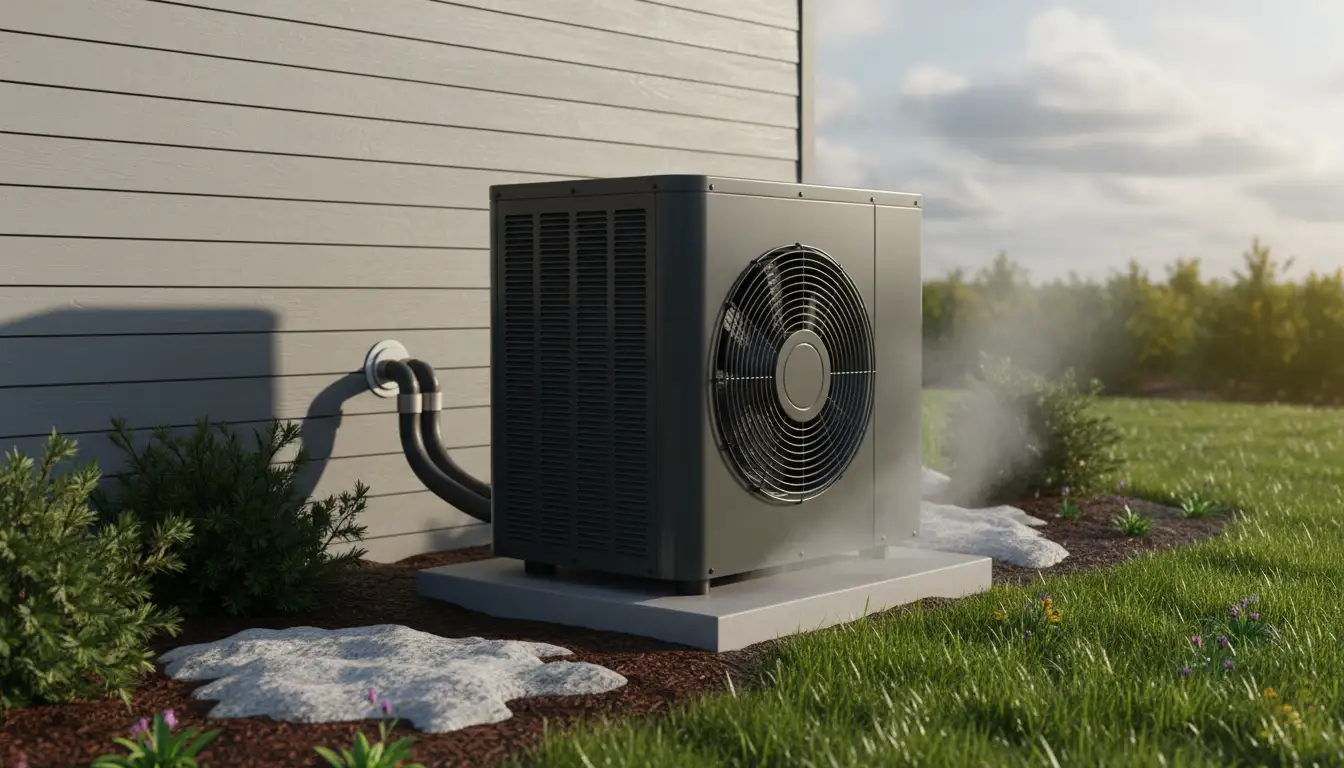

Heat pump heater-air conditioner 2.0 systems represent the next leap in all-climate comfort: a single unit that heats in winter, cools in summer, and does both with extraordinary efficiency. Thanks to inverter-driven compressors, advanced refrigerants, variable-speed fans, and smart controls, these systems can deliver more heating and cooling output per unit of electricity than legacy HVAC. If you’re seeking organic, sustainable comfort with lower lifetime costs, understanding how “Heat Pump 2.0” works—and how to select, install, and use it—will help you capture the full promise of ultra efficiency.
What “2.0” Really Means
The “2.0” label isn’t a formal standard; it signals a new generation of heat pump technology that improves upon early units in four critical ways:
- Wider operating envelope: Modern cold-climate heat pumps maintain strong capacity even below freezing, often to −15°C or lower.
- Inverter compressors: Variable-speed modulation precisely matches load, avoiding wasteful short cycling.
- Smarter defrost and controls: Software minimizes icing penalties and optimizes seasonal performance.
- Better integration: Zoning, ductless/ducted hybrids, and home energy management systems (HEMS) improve comfort and savings.
How Ultra Efficiency Is Achieved
Traditional electric resistance heaters have a coefficient of performance (COP) of ~1. Heat pumps move heat rather than generating it, enabling COPs of 2–5 depending on conditions. Newer models stretch this further in mild weather via:

- High seasonal metrics: Look for SEER2/SCOP/HSPF2 ratings reflecting real-world seasonal efficiency.
- Refrigerant optimization: Contemporary refrigerants and heat exchangers reduce losses, enabling higher lift at low temperatures.
- Variable capacity: Matching part-load conditions (where homes spend most of the year) is where big gains occur.
- Intelligent algorithms: Adaptive learning adjusts fan speeds, target superheat/subcool, and defrost timing.
Result: lower kWh per degree of heating or cooling delivered, yielding smaller utility bills and reduced carbon footprint when paired with a cleaner grid or on-site solar.
Heating Performance in Cold Climates
A key barrier for earlier generations was capacity drop in cold weather. Heat Pump 2.0 addresses this with:
- Vapor injection or two-stage compression to boost low-ambient capacity.
- Enhanced coil design and hydrophilic coatings for faster, more efficient defrost.
- Crankcase and pan heaters that operate intelligently to limit standby losses.
- Outdoor unit placement and wind baffles that reduce icing.
For very cold climates, right-sizing, load calculations (Manual J or equivalent), and an auxiliary strategy (minimal, staged, or thermal storage) ensure comfort without efficiency penalties.
Cooling Performance and Humidity Control
In summer, these systems shine with:
- Low sensible heat ratio options to wring out humidity in humid climates.
- Extended dehumidification modes and variable fan speeds that slow airflow across coils for better latent removal.
- Zonal control to prevent overcooling unoccupied rooms.
Expect stable temperatures, fewer drafts, and lower peak demand when setpoints are approached gradually with smart scheduling.
Sizing and Design Best Practices
Ultra efficiency depends on getting the fundamentals right:
- Accurate load calc: Oversizing kills efficiency and comfort; undersizing creates auxiliary heat reliance. Aim for right-sized or modestly undersized with zoning.
- Ducts matter: For ducted systems, seal and insulate ducts; external static pressure should match equipment specs to preserve efficiency.
- Placement: Keep outdoor units elevated above snow line, clear of prevailing winds, and with ample airflow.
- Commissioning: Verify charge, airflow, and controls. mischarge can erode COP and capacity significantly.
Smart Controls and Integrations
Heat Pump 2.0 units typically pair with:
- Smart thermostats/HEMS: Time-of-use optimization, preheating/precooling, and demand response.
- Weather-aware algorithms: Anticipate cold snaps to minimize auxiliary heat use.
- Room-level sensors: Balance hot/cold spots and tune zoning schedules.
If you have rooftop solar or a home battery, consider setpoint shifting to store thermal energy when power is plentiful and cheap.
Cost, Incentives, and Payback
Upfront costs can be higher than single-function HVAC, but total cost of ownership often wins due to:
- Lower operating costs from superior seasonal efficiency.
- Potential incentives, tax credits, and green financing that reduce net cost.
- Reduced maintenance compared to combustion systems (no flues, no fuel lines).
- Long-term insulation against volatile fuel prices.
To model payback, compare your current annual heating fuel and cooling electricity bills to projected heat pump consumption using SCOP/HSPF2 and local degree-days.
Environmental Impact
Heat pumps cut direct emissions by eliminating onsite combustion. As electric grids decarbonize, lifecycle emissions drop further. Additional steps:
- Choose low-GWP refrigerants where available.
- Ensure proper installation to prevent leaks and comply with recovery rules at end of life.
- Pair with renewable electricity for near-zero operational emissions.
Operation Tips for Maximum Real-World Efficiency
- Set-and-forget: Avoid large daily setpoint swings in winter; heat pumps are most efficient when maintaining steady temperatures.
- Use “dry” or dehumidify modes in shoulder seasons to stay comfortable without overcooling.
- Keep filters, coils, and outdoor fins clean; restricted airflow quickly reduces COP.
- Schedule gentle ramps before peak-rate windows to avoid expensive demand spikes.
- Tune fan speed profiles for comfort and noise; variable fan helps distribute heat evenly in multi-story homes.
Common Myths, Debunked
- “Heat pumps don’t work in cold weather.” Modern cold-climate models do, with strong capacity below freezing and smart defrost cycles.
- “Aux heat always runs.” With correct sizing, commissioning, and control strategy, auxiliary heat can be rare.
- “They’re noisy.” Inverter systems often run quietly at low RPM most of the time.
Choosing the Right System
- Verify certifications (AHRI listings) and look for high HSPF2/SEER2/SCOP figures relevant to your climate.
- Decide between ducted, ductless, or hybrid based on your home’s layout and existing infrastructure.
- Ensure your installer performs a formal load calculation and provides commissioning data.
- Ask about firmware updates and app features for ongoing optimizations.
The Bottom Line
A Heat Pump Heater-Air Conditioner 2.0 offers ultra efficiency, comfort, and sustainability in one integrated package. With proper sizing, quality installation, and smart operation, homeowners can enjoy year-round comfort, noticeably lower bills, and a smaller carbon footprint—an organic path to better living.