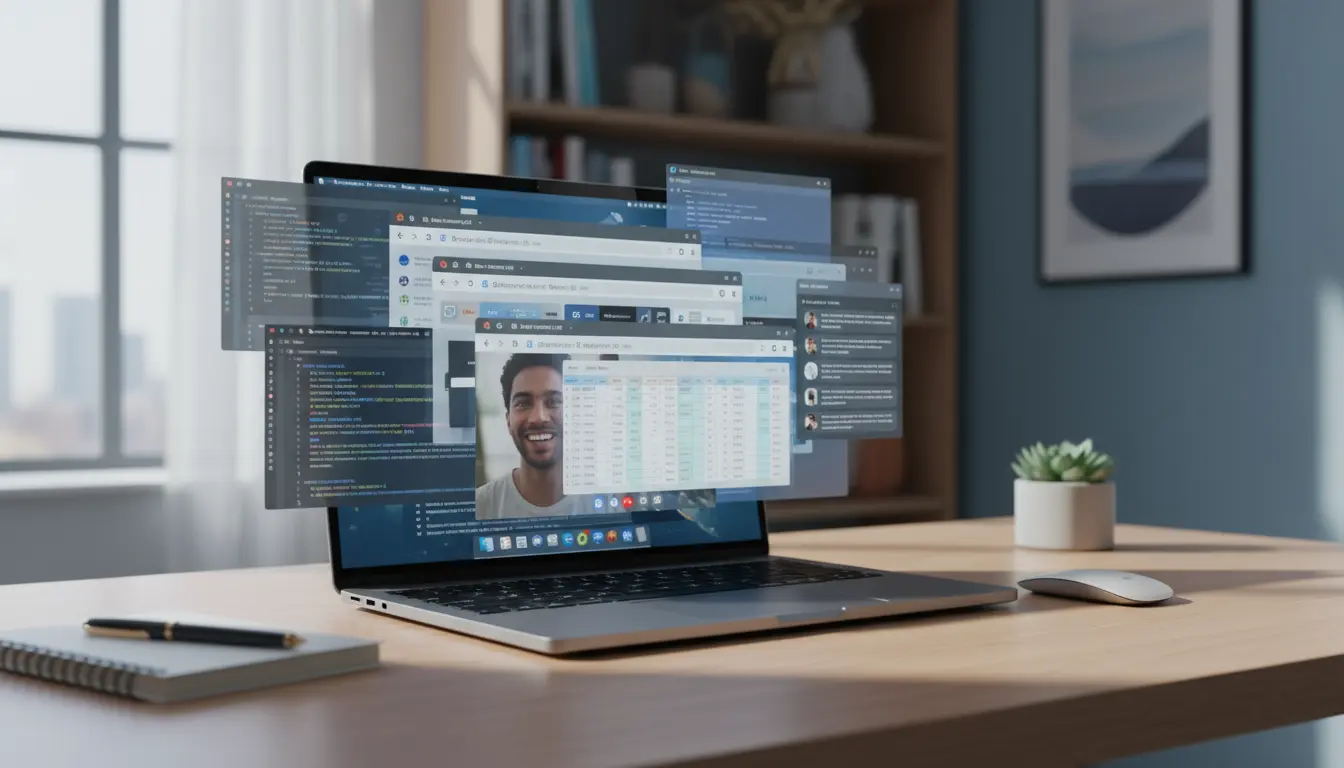

Is 8GB RAM Still Enough? 2025 Minimum & Ideal RAM Guide
In 2025, one of the most common questions when buying a new laptop or desktop is: “Is 8GB RAM still enough?” The short answer is: it depends on your usage, but for many people 8GB is starting to feel like the bare minimum rather than a comfortable standard. Modern operating systems, heavier web browsing, and more demanding apps mean that system memory has become a key factor in overall performance, responsiveness, and productivity.
In this guide, we’ll look at when 8GB is still acceptable, when you should move to 16GB or even 32GB, and how to choose the right RAM configuration for your needs in 2025.
How RAM Affects Everyday Performance
RAM (Random Access Memory) is where your system stores data it needs to use right now. When you open a browser, launch a game, or edit a video, the working data is loaded into RAM. If you don’t have enough, your system starts using the much slower storage drive (even if it’s an SSD), which leads to:
- Sluggish app launches
- Stuttering when switching between tasks
- Freezes or long pauses under heavy load
In 2025, both Windows 11 and modern Linux distributions have higher baseline memory usage than older versions. With background processes, security tools, messaging apps, and cloud sync clients running, even a “fresh boot” can consume several gigabytes of RAM before you start doing any real work.
Is 8GB RAM Enough for Everyday Use in 2025?
For light, everyday tasks, 8GB RAM can still be usable:
- Basic web browsing with a few tabs
- Streaming videos on YouTube or Netflix
- Working with simple Office documents
- Light photo viewing and basic image edits
If you are a casual user who doesn’t keep dozens of browser tabs open and doesn’t run heavy apps, you can still get by with 8GB, especially on a well‑optimized system with an SSD. However, this configuration is no longer “future‑proof.” It’s more of a minimum acceptable baseline rather than an ideal choice.
You will likely notice the limitations of 8GB RAM in these scenarios:
- 10–20 or more browser tabs open at once
- Using memory‑hungry web apps (online design tools, web‑based IDEs, complex dashboards)
- Running multiple desktop apps alongside your browser (email client, Teams/Zoom, Office, design tools)
For many people working or studying in 2025, these are daily realities. That’s why 16GB RAM is quickly becoming the practical standard.
8GB vs 16GB vs 32GB in 2025
To decide what you need, it helps to map common use cases to recommended RAM sizes:
8GB RAM – Absolute minimum (not ideal, just acceptable)
- Light web browsing and email
- Office documents and basic spreadsheets
- Media consumption (music, streaming)
- Simple note‑taking and basic productivity
- Best only for budget devices or secondary machines
16GB RAM – Recommended for most users in 2025
- Heavy web browsing (many tabs open)
- Remote work with video conferencing, email, browser, and office apps in parallel
- Light photo editing and occasional simple video editing
- Casual to mid‑range gaming
- Basic coding, running local dev servers, or simple virtual machines
32GB RAM – Ideal for power users and professionals
- Professional video editing and motion graphics
- 3D modeling, CAD, and complex design workflows
- Heavy multitasking with many apps and browser tabs
- Running multiple virtual machines or Docker containers
- High‑end gaming and streaming at the same time
In 2025, 16GB RAM is the sweet spot for most people. It provides enough breathing room for modern workloads and ensures the system will remain usable for several years.
Impact on Gaming and Creative Work
If you are a gamer, 8GB RAM was considered adequate several years ago. Today, many modern AAA titles list 16GB as the recommended amount, especially when combined with a modern GPU and high‑resolution textures. With only 8GB:
- Game loading times may increase
- You might experience stuttering when assets load
- Background apps like Discord, browsers, or screen recorders can quickly consume remaining memory
For content creators—especially those dealing with high‑resolution photos, 4K video, or complex Photoshop files—8GB RAM is usually a bottleneck. Applications like Adobe Premiere Pro, DaVinci Resolve, and Lightroom scale very well with more memory. If you want smooth scrubbing, faster exports, and comfortable multitasking, 32GB can make a huge difference.
Minimum vs Ideal RAM in 2025
When choosing RAM, think in terms of minimum vs ideal:
- Minimum RAM: the amount that allows your system to run without constant freezing or swapping, but may feel slow under pressure.
- Ideal RAM: the amount that lets you work smoothly, keep multiple apps open, and handle heavier workloads without frustration.
For most categories in 2025:
- Student / casual user:
- Minimum: 8GB
- Ideal: 16GB
- Remote worker / office professional:
- Minimum: 8GB (only if you are very light on multitasking)
- Ideal: 16GB
- Gamer:
- Minimum: 16GB
- Ideal: 16–32GB depending on games and streaming needs
- Developer / power user:
- Minimum: 16GB
- Ideal: 32GB (especially with containers, VMs, and heavyweight IDEs)
- Content creator (photo/video/3D):
- Minimum: 16GB
- Ideal: 32GB or more
If you are trying to future‑proof a purchase for the next 4–5 years, aiming for at least 16GB RAM is a smart move in 2025.
When Does 8GB RAM Still Make Sense?
There are a few situations where 8GB is still a reasonable choice:
- Strict budget builds or entry‑level laptops
If your priority is the lowest possible price and your tasks are basic, an 8GB system can still serve you well, especially if it has an SSD and a modern processor. - Secondary or travel devices
For a small, portable machine used for note‑taking, browsing, or presentations, 8GB might be sufficient. - Lightweight operating systems
Devices running optimized Linux distributions or ChromeOS typically use fewer resources, making 8GB feel less constrained compared to heavy Windows setups.
Even in these cases, choosing a device that allows RAM upgrades later is ideal, so you can move to 16GB if your usage grows.
How to Check If You Need More RAM
You can determine whether you need more RAM by watching your system’s behavior:
- Frequent high memory usage: If your operating system shows RAM usage constantly above 80–90% while you work, you’re likely constrained.
- Heavy disk activity and slowdowns: When the system starts using the page file or swap heavily, your SSD light may stay on and performance will drop.
- Apps closing or crashing under load: Some browsers or games will close tabs or throw errors when they cannot allocate enough memory.
If you see these signs regularly with 8GB RAM, moving to 16GB or more will noticeably improve your experience.
Should You Upgrade from 8GB in 2025?
If you already have a system with 8GB, the decision to upgrade comes down to:
- Do you multitask heavily?
- Do you use modern creative tools or large spreadsheets/databases?
- Do you game on recent titles at higher settings?
If your answer is yes to any of these, upgrading to 16GB is one of the best price‑to‑performance upgrades you can make. RAM is often cheaper than a new CPU or GPU and delivers a very tangible improvement in responsiveness.
On a new purchase, choosing 16GB upfront is usually more cost‑effective than upgrading later, especially on laptops where RAM may be soldered and not upgradeable.
Final Verdict: Is 8GB RAM Still Enough in 2025?
In 2025, 8GB RAM is “enough” only for basic and non‑demanding use cases. It’s no longer the comfortable standard it once was. For most people who want a responsive system that will remain capable for several years, 16GB RAM is the recommended baseline, while 32GB is ideal for professionals and heavy multitaskers.
If you’re buying a new device or planning an upgrade, think long term: the demands of software and operating systems almost never go down. Investing in more RAM today can give you a smoother, more future‑proof experience tomorrow.