
Best High-Speed Burst Cameras (20–40 fps) for Action, Sports, and Wildlife
High-speed burst cameras with 20–40 frames per second (fps) shooting have changed the way photographers capture action. Whether you shoot sports, wildlife, or fast-moving events, a camera with a rapid continuous shooting rate helps you freeze decisive moments that would be impossible to catch with slower gear. In this guide, you’ll learn what to look for in a fast burst camera, why fps is not the only factor that matters, and which features deliver the best performance in real-world shooting.
What Is a High-Speed Burst Camera?
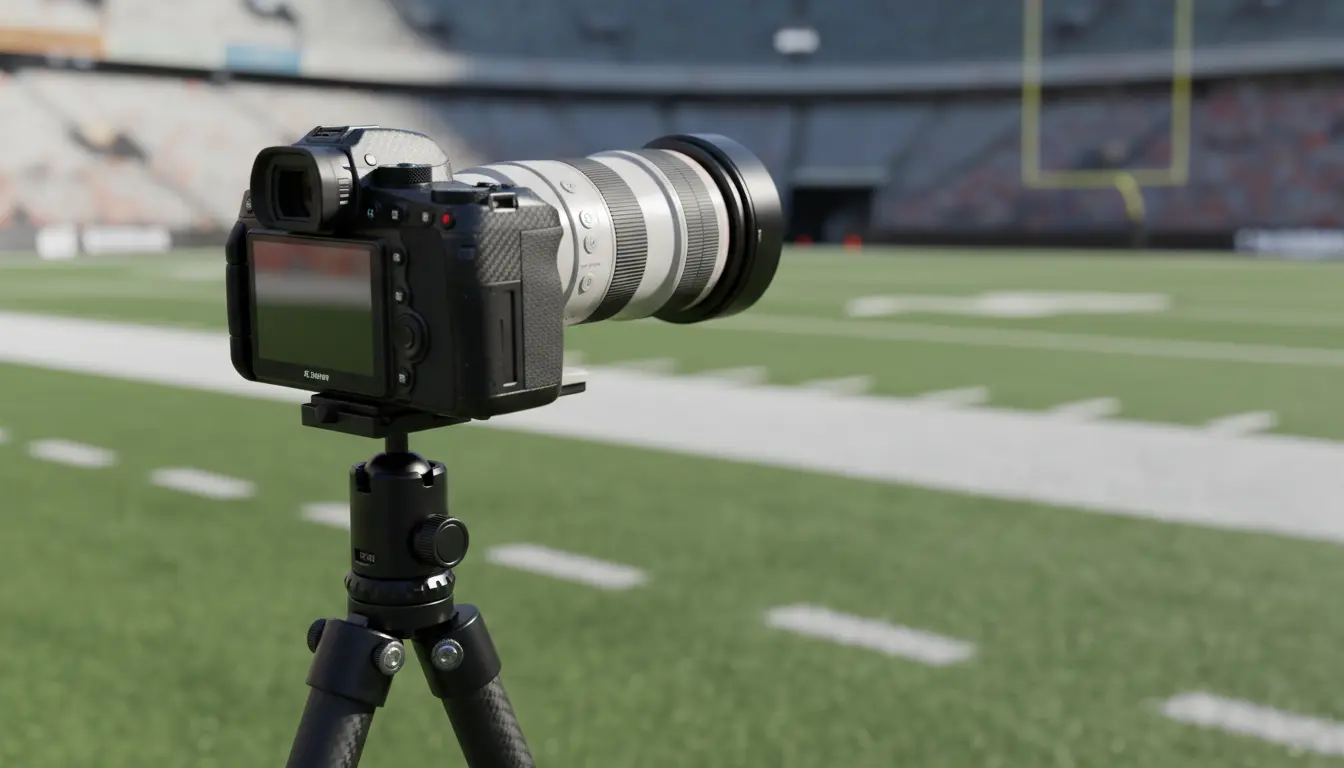
A high-speed burst camera is a mirrorless or DSLR body that can shoot a rapid sequence of images when you hold down the shutter button. Instead of capturing a single frame, the camera records 20–40 photos per second, giving you a rich sequence to choose from. This capability is essential when:
- A football player dives for the ball
- A bird takes off from a branch
- A racing car speeds past the finish line
Capturing these split-second motions requires not just high fps, but also fast autofocus, a deep buffer, and efficient image processing.
Why Burst Rate (fps) Matters for Action Photography
The fps value indicates how many images your camera can take in one second during continuous shooting. A burst rate of 20 fps is already excellent for most action scenarios, while 30–40 fps is ideal for extremely fast subjects. Higher fps gives you:
- More frames of the same action sequence
- A better chance of getting tack-sharp eyes and peak motion
- Smoother frame-by-frame analysis for sports and wildlife behavior
However, fps alone is not enough. If the autofocus system cannot keep up, or the buffer fills up after a short burst, you will miss critical shots.
Key Features of the Best High-Speed Burst Cameras (20–40 fps)
When you evaluate fast burst cameras, consider the following core features alongside the fps rating:
- Autofocus performance
Look for advanced subject detection (face, eye, animal, vehicle) and reliable tracking across the frame. Hybrid AF systems with dense phase-detection points are usually the most consistent at high speeds. - Buffer depth and write speed
A deep buffer allows the camera to store many RAW or JPEG files before slowing down. Combined with fast memory cards, this ensures you can maintain the maximum burst rate for longer sequences. - Electronic vs. mechanical shutter
Most cameras advertise their headline 20–40 fps speeds using the electronic shutter. This enables silent shooting and ultra-fast readout, but rolling shutter artifacts can occur with very fast movement. Mechanical shutter fps is often lower, yet still important for certain types of action. - Image quality and dynamic range
High-speed action often happens in challenging light. A strong sensor with good dynamic range and low noise performance helps you preserve details in highlights and shadows while freezing motion at high shutter speeds. - Ergonomics and battery life
Long sports events and wildlife sessions demand comfortable handling and a battery that lasts. A robust grip, customizable controls, and high-capacity batteries make a real difference in the field.
Who Really Needs 20–40 fps?
A camera with a burst rate in the 20–40 fps range is especially useful for:
- Sports photographers who shoot football, basketball, motorsports, or gymnastics and need to freeze peak action.
- Wildlife photographers capturing birds in flight, predators hunting, or any unpredictable animal behavior.
- Event and documentary photographers who must never miss a key moment such as a celebration, a jump, or a fast gesture.
If you mainly shoot landscapes, portraits in controlled environments, or still life, extremely high fps rates are less critical than resolution, color depth, or low-light performance.
How to Maximize Your High-Speed Burst Performance
Even the best high-speed burst camera needs proper settings and technique to deliver its full potential. To get the most out of 20–40 fps shooting:
- Use the fastest memory cards
Choose UHS-II SD, CFexpress, or XQD cards with high write speeds. This allows the camera to clear the buffer quickly and maintain continuous bursts. - Optimize file format and quality
If buffer depth is a concern, consider shooting compressed RAW or high-quality JPEG, especially for long sequences in sports and wildlife. This reduces file size and extends the effective burst length. - Fine-tune autofocus modes
Use continuous AF (AF-C) and subject tracking tailored to your subject type. For example, eye AF for people, or bird detection modes where available. Adjust tracking sensitivity to avoid focus hunting. - Pre-focus and anticipate action
High fps helps, but anticipating the moment still matters. Pre-focus on the area where action will occur and start your burst slightly before the critical point. - Control your shutter speed
To freeze fast action, use shutter speeds such as 1/1000s or faster. Combine this with appropriate ISO and aperture settings to maintain exposure.
Benefits of High-Speed Burst Cameras for Different Genres
High burst rates offer distinct advantages across various photography genres:
- Sports photography
Continuous shooting at 20–40 fps gives you multiple frames of every jump, kick, throw, or collision. You can select the exact frame where the ball, player, and expression are perfect. - Wildlife and bird photography
Animals move unpredictably. High-speed burst modes capture takeoffs, landings, and interactions that happen in a fraction of a second, especially with birds in flight. - Action portraits and dance
When subjects move rapidly—dancers, fitness models, or performers—fast fps lets you pick the most dynamic pose and sharpest expression. - Documentary and street photography
Although discretion and timing are crucial, silent high-fps shooting can help capture subtle gestures and reactions that unfold rapidly in public spaces.
Common Mistakes When Using High Burst Rates
Even with advanced gear, some habits reduce your success rate. Watch out for:
- Spray and pray without intention
Firing at maximum fps all the time produces thousands of similar images and slows down your workflow. Instead, use bursts in short, intentional sequences. - Ignoring buffer limits
If you hold the shutter too long, the buffer fills and the camera slows down. Plan your bursts to avoid missing crucial moments when the buffer is saturated. - Overlooking composition
High-speed burst shooting is not an excuse for weak composition. Keep an eye on background, framing, and leading lines while tracking your subject. - Underestimating storage needs
20–40 fps generates huge volumes of data. Invest in high-capacity memory cards and external storage to manage your growing image library.
How to Choose the Right Fast Burst Camera for You
When comparing high-speed burst cameras in the 20–40 fps range, focus on how each model fits your real-world needs:
- Match autofocus to your subjects
If you photograph athletes or birds, prioritize bodies with proven AF tracking performance for those subjects and strong AI-based detection features. - Balance resolution with speed
Higher megapixel counts can slow down data processing. Decide whether you prefer extremely detailed files or maximum speed and buffer depth. - Check ecosystem and lens options
A fast camera is only as effective as the lenses you pair with it. Make sure the system offers fast telephoto and zoom lenses suited to your genre. - Consider budget and value
Professional flagship cameras with 30–40 fps are expensive. Enthusiast-level bodies with around 20 fps can still deliver excellent results at lower cost.
Example High-Speed Burst Camera for Serious Shooters
One popular option on Amazon that many action photographers consider is the Sony Alpha 1 (check current listing and price on Amazon). It combines a high-resolution full-frame sensor with extremely fast burst shooting, advanced subject tracking, and a robust buffer. For sports and wildlife shooters who demand top-tier performance, it represents a powerful, all-in-one solution in the high-speed camera market.