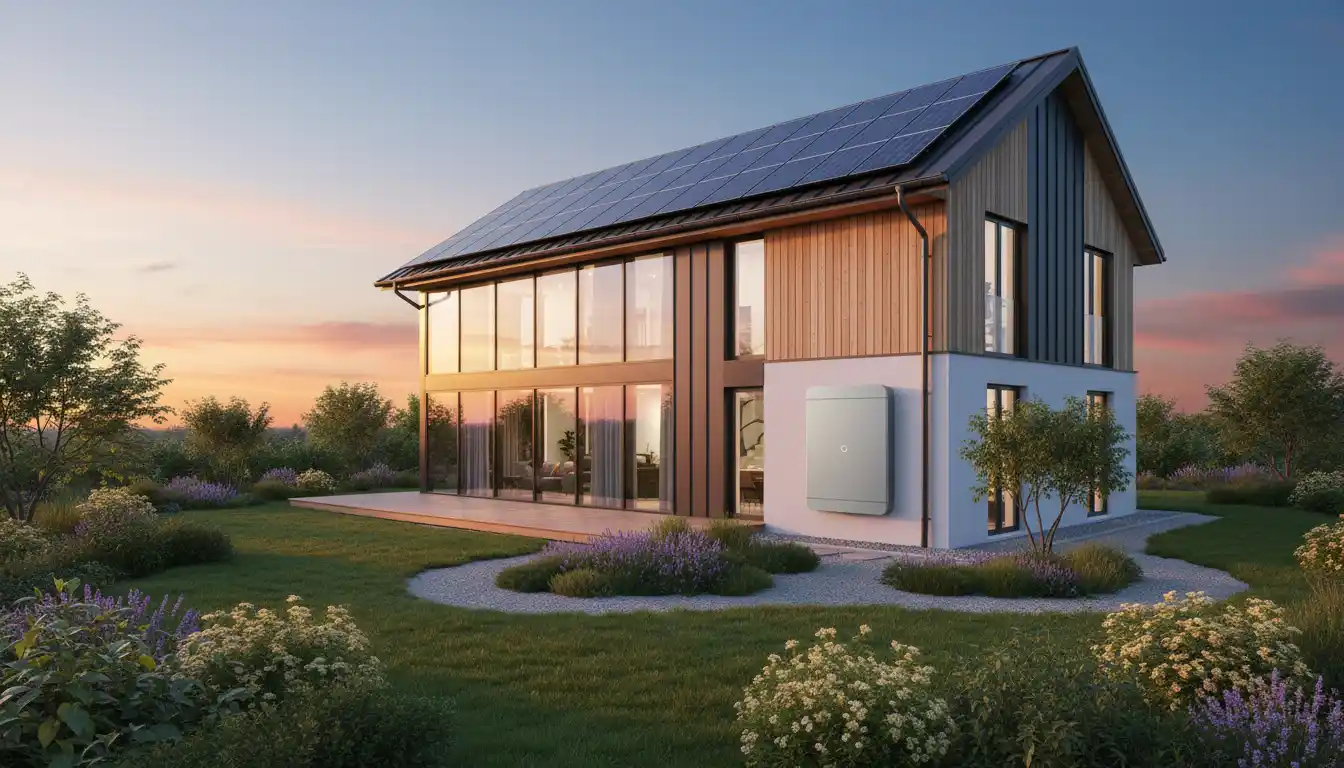

Solar-Powered Lifestyle: Innovative Home Energy Storage Solutions
Adopting a solar-powered lifestyle is no longer just a trend; it is becoming a smart financial and environmental decision. As solar panel costs drop and electricity prices rise, more homeowners are looking for efficient ways to capture and store clean energy. Modern home energy storage inventions make it possible to use solar power day and night, increase energy independence, and reduce reliance on the grid.
In this article, we will explore how home energy storage works, the latest innovations in battery technology, and practical tips for choosing the right solution for a truly solar-powered lifestyle.
What Is Home Energy Storage?
Home energy storage refers to systems that store excess electricity generated by your solar panels. Instead of sending all surplus power back to the grid, a battery system saves it for later use. At night or during cloudy days, your home can then draw on this stored energy.

A typical solar + storage setup includes:
- Solar panels on the roof or in the yard
- An inverter to convert DC to AC electricity
- A home battery or multiple battery modules
- A smart energy management system or app
This combination turns your home into a mini power plant, giving you better control over how and when you use energy.
Why Energy Storage Is Key to a Solar Lifestyle
A solar-powered lifestyle is more than just installing panels. Without a storage solution, you still depend heavily on the grid when the sun is down. Energy storage inventions solve three major issues:
- Intermittency of solar power
Solar energy is not constant. Batteries help you smooth out fluctuations and keep your home powered consistently. - Rising energy costs
With storage, you can use more of your self-generated electricity and buy less from the utility, protecting yourself from rising tariffs. - Grid outages and resilience
During blackouts, a properly configured solar + battery system can keep essential loads running, such as your refrigerator, lights, and internet.
By combining solar panels with a home battery, you move closer to true energy independence and a more resilient, sustainable lifestyle.
Types of Home Energy Storage Technologies
There are several home energy storage technologies available today, but some are more suited to a solar lifestyle than others.
1. Lithium-Ion Battery Systems
Lithium-ion batteries are currently the most popular choice for residential solar energy storage. They offer:
- High energy density in a compact size
- Long cycle life (often 6,000–10,000 cycles)
- Fast charging and high efficiency
They are ideal for daily cycling, which is typical for a solar-powered home. Modern systems also come with integrated safety features and smart monitoring.
2. Lithium Iron Phosphate (LiFePO4) Batteries
LiFePO4 is a specific type of lithium-ion chemistry that is becoming increasingly common in home storage solutions. It is known for:
- Enhanced thermal stability and safety
- Very long lifespan (often 10+ years with proper use)
- Consistent performance under heavy cycling
Many homeowners choose LiFePO4 batteries for off-grid cabins and full-time solar living due to their durability and safety profile.
3. Flow Batteries and Emerging Technologies
Flow batteries and solid-state batteries are emerging technologies that promise:
- Ultra-long cycle life
- Reduced degradation
- Potentially lower long-term cost
While they are not yet mainstream in residential markets, ongoing innovation is making them increasingly relevant for future solar-powered homes.
Smart Home Integration and Energy Management
Today’s energy storage inventions do more than just hold electricity; they integrate with smart home systems to optimize when you charge and discharge the battery.
Key smart features include:
- Time-of-use optimization: The system automatically charges batteries when electricity is cheapest and discharges them when grid rates are highest.
- Load shifting: High-consumption appliances, such as EV chargers or heat pumps, can be scheduled to run when solar production is highest.
- Real-time monitoring: Mobile apps show production, consumption, and battery status so you can adjust your habits and maximize self-consumption.
Smart integration increases the value of your solar investment and helps you maintain a comfortable, efficient home with minimal manual intervention.
Designing a Solar-Powered Home Energy Ecosystem
Creating a solar-powered lifestyle around home energy storage involves more than just buying a battery. You need to think about your entire energy ecosystem.
Assess Your Energy Needs
Start by understanding your daily and seasonal energy usage:
- Check your utility bills to find your average kWh per day.
- Identify your major loads: HVAC systems, water heaters, EV chargers, and large appliances.
- Decide which loads should be backed up during outages (essential loads vs. whole-home backup).
This analysis helps you size your battery system correctly.
Right-Size Your Solar and Storage
For a balanced system, you want enough solar to charge the batteries and cover your daily consumption, while ensuring your battery capacity matches your needs at night or during outages.
For example:
- A smaller, energy-efficient home may only need a 5–7 kW solar array and a 10–15 kWh battery.
- A larger home with EV charging might need a 10–15 kW solar array and 20–40 kWh of battery capacity.
Working with a qualified installer or energy consultant ensures you select appropriate sizes and components.
Plan for Future Expansion
A truly future-proof solar lifestyle should allow for expansion:
- Consider modular battery systems that can be expanded with additional units.
- Plan for upcoming loads such as an electric vehicle or electric heating.
- Choose an inverter that can handle more capacity than your current system, if possible.
This way, you can adapt as your lifestyle and energy needs evolve.
Environmental and Financial Benefits
Embracing home energy storage as part of a solar-powered lifestyle offers both environmental and financial advantages.
Environmental Impact
- Lower carbon footprint: You rely more on solar energy and less on fossil fuel–generated grid electricity.
- Support for a cleaner grid: Reducing evening peak demand helps stabilize the grid and avoids high-emission peaker plants.
- Efficient resource use: Smart systems reduce wasteful energy consumption and promote efficient usage patterns.
Financial Advantages
- Reduced electricity bills: Self-consumption of solar energy can significantly cut monthly costs.
- Protection against rate hikes: As energy prices rise, your fixed investment in solar and storage becomes more valuable.
- Potential incentives: In many regions, there are tax credits, rebates, or net metering policies that improve the return on investment.
Over the lifetime of a system, these benefits can outweigh the upfront cost and deliver long-term savings.
Practical Tips for Choosing a Home Storage System
When selecting a battery system for your solar-powered lifestyle, consider the following:
- Capacity (kWh)
Choose enough storage to cover your typical nighttime usage and critical loads during outages. - Power rating (kW)
Ensure the system can handle the simultaneous power draw of the appliances you want to run. - Cycle life and warranty
Look for clear cycle ratings and long warranties (often 10 years or more). - Safety certifications
Make sure the system meets recognized standards and is installed by a certified professional. - Compatibility and ecosystem
Verify that the battery is compatible with your inverter, solar panels, and any smart home platforms you already use.
By evaluating these criteria, you can choose a storage solution that truly supports an organic, long-term solar lifestyle.