
Robot Bartenders and Automated Bars: Innovation or the Future of Hospitality?
The hospitality industry constantly reinvents itself. From contactless payments to AI-powered reservation systems, technology reshapes how businesses serve guests. One of the most intriguing developments in recent years is the rise of robot bartenders and automated bars. These futuristic systems promise speed, consistency, and spectacle—but do they enhance hospitality, or do they remove the human touch that defines it?
In this article, we explore how robotic mixology works, its advantages and challenges, its impact on customer experience, and whether it truly represents the future of hospitality technology.
The Rise of Robot Bartenders
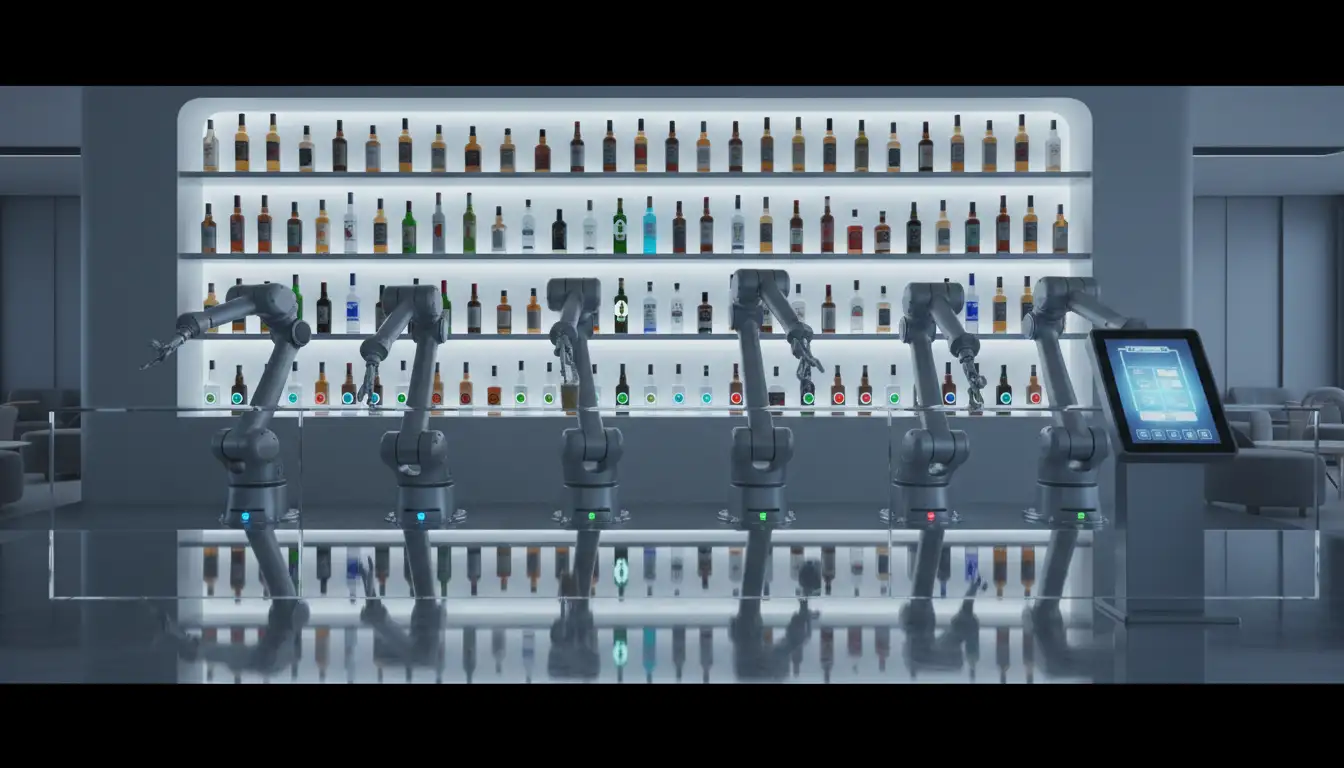
Robot bartenders are no longer a science fiction fantasy. Airports, cruise ships, luxury hotels, and smart restaurants increasingly install automated bar systems to serve drinks with precision. Powered by artificial intelligence in restaurants and advanced robotics, these machines can mix cocktails, pour beer, and even customize drinks based on customer preferences.
Automated bars operate through touchscreens, mobile apps, or QR code ordering systems. Guests select their drink, pay digitally, and watch as robotic arms measure, pour, shake, and garnish cocktails with remarkable accuracy.
This shift reflects a broader trend toward digital transformation in hospitality, where automation improves efficiency and adapts to modern consumer expectations.
How Robotic Mixology Works
Robotic mixology combines hardware and software to replicate the work of a professional bartender. These systems typically include:
- Robotic arms with multiple axes of movement
- Precision dispensing systems for spirits and mixers
- Automated cocktail machines with programmable recipes
- Smart inventory tracking
- Integrated payment systems
Using pre-programmed recipes or AI-driven customization, robot bartenders measure ingredients down to the milliliter. This ensures consistency across every drink served. Some advanced systems analyze customer preferences and suggest cocktails based on previous purchases.
By leveraging bar automation solutions, venues can standardize quality while reducing operational errors.
Benefits of Automated Bars
1. Speed and Efficiency
During peak hours, human bartenders often struggle to keep up with demand. Automated bars can prepare multiple drinks simultaneously, minimizing wait times and increasing sales volume.
2. Consistency in Quality
Unlike humans, robots do not get tired or distracted. Every cocktail contains the exact proportions defined in the recipe. For franchise businesses and hotel chains, this consistency strengthens brand reliability.
3. Labor Cost Optimization
Labor shortages remain a global challenge in the hospitality sector. Robotic bartenders help mitigate staffing issues by reducing dependency on skilled mixologists during high-demand periods.
4. Hygiene and Contactless Service
Post-pandemic consumer behavior shifted toward contactless ordering systems. Automated bars limit direct handling, which enhances perceived hygiene and safety.
5. Entertainment Value
Watching a robotic arm mix drinks provides a unique spectacle. Guests often record and share the experience on social media, generating organic marketing for venues.
Challenges and Concerns
Despite the advantages, automated bar systems face criticism and limitations.
Loss of Human Interaction
Hospitality thrives on personal connection. A skilled bartender does more than mix drinks—they listen, engage, recommend, and create atmosphere. Robots cannot replicate empathy or spontaneous conversation.
High Initial Investment
Installing robotic bar systems requires significant upfront costs. Equipment, maintenance, software updates, and technical support add to long-term expenses.
Technical Failures
Like any technology, automated systems can malfunction. A software glitch during peak service hours may disrupt operations and frustrate guests.
Skill Displacement Fears
Some industry professionals worry that automation could reduce employment opportunities for bartenders. However, many businesses use robots to complement—not replace—human staff.
Are Robot Bartenders Replacing Humans?
The key question remains: will robots fully replace bartenders?
The answer appears nuanced. In high-volume environments such as stadiums, cruise ships, and airport lounges, automation improves throughput and operational efficiency. In contrast, boutique cocktail bars and luxury lounges still rely heavily on personalized service and creative mixology.
Rather than replacing professionals, robot bartenders often support them. Human staff can focus on customer engagement, upselling premium drinks, and crafting bespoke cocktails, while machines handle repetitive tasks.
This hybrid hospitality model blends automation with authentic service, offering the best of both worlds.
Impact on Customer Experience
Customer experience determines long-term success in the bar and restaurant industry. While some guests appreciate the novelty of robotic mixology, others value conversation and emotional connection.
Younger generations, particularly tech-savvy millennials and Gen Z consumers, often embrace innovation. They enjoy digital ordering systems, self-service kiosks, and immersive tech-driven environments.
However, hospitality remains deeply human at its core. Businesses must carefully balance efficiency with warmth. The most successful venues integrate smart bar technology without sacrificing atmosphere.
Sustainability and Smart Inventory Management
Automated bars also support sustainability initiatives. Precision pouring reduces over-pouring and ingredient waste. Smart inventory tracking monitors stock levels in real time, helping businesses reorder efficiently and minimize spoilage.
By optimizing resource use, robotic bar systems align with environmentally conscious business practices—an increasingly important factor for modern consumers.
The Role of Artificial Intelligence in Modern Bars
Artificial intelligence enhances automation by analyzing purchasing patterns and predicting demand. AI can recommend drinks based on weather, time of day, or customer history.
For example:
- On a hot day, the system may highlight refreshing cocktails.
- During holidays, it may promote themed beverages.
- For returning customers, it may suggest previously ordered drinks.
This data-driven hospitality approach increases personalization while boosting revenue.
Global Adoption Trends
Countries with strong technology adoption rates, such as Japan, the United States, and parts of Europe, lead the implementation of robotic bartenders. Luxury cruise lines have also embraced automated bars as part of their futuristic branding.
As hardware costs decrease and AI systems improve, mid-sized establishments may find automation more accessible. Industry analysts predict steady growth in bar automation solutions over the next decade.
The Future of Hospitality Technology
The future of hospitality likely involves collaboration between humans and machines. Robot bartenders symbolize a broader transformation toward smart hospitality ecosystems, where:
- AI optimizes operations
- IoT devices track inventory
- Digital menus personalize recommendations
- Automated cocktail machines enhance speed
However, emotional intelligence, creativity, and storytelling remain uniquely human traits. Successful businesses will design experiences that combine technological efficiency with genuine human warmth.
Innovation or Evolution?
Rather than viewing robot bartenders as a threat, we can see them as an evolution in service delivery. Throughout history, technology has reshaped hospitality—from refrigeration to espresso machines to POS systems.
Automation does not eliminate hospitality; it changes how it operates. Venues that strategically integrate robotics while preserving authentic guest interaction will likely thrive in the competitive food and beverage industry.
Final Thoughts
Robot bartenders and automated bars represent both innovation and opportunity. They offer speed, consistency, hygiene, and entertainment value. Yet hospitality remains fundamentally about people.
The future does not belong solely to robots or humans—it belongs to those who intelligently combine both. As automation continues to advance, businesses must prioritize experience, authenticity, and adaptability.
In the end, technology should enhance hospitality—not replace it.
Recommended Product (Amazon)
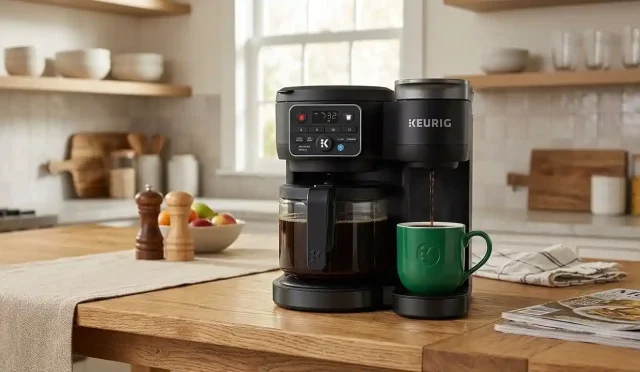
Bartesian Premium Cocktail and Margarita Machine – An automated cocktail machine that creates bar-quality drinks at home with capsule-based precision mixing.