
Best Portable Power Stations for Road Trips and Car Camping
Planning a road trip or a weekend of car camping means carefully managing power for phones, cameras, laptops, lights, and portable fridges. The best portable power stations for road trips and car camping give you reliable electricity without the noise, fumes, or hassle of a gas generator. They keep your devices charged, your campsite comfortable, and your adventures safer and more flexible.
In this guide, you’ll learn what to look for in a portable power station, the key features that matter, and why investing in a high‑quality model is worth it for frequent travelers and outdoor lovers.
Why You Need a Portable Power Station for Road Trips
Modern road trips depend heavily on electronics. GPS navigation, streaming music, drone photography, and working remotely all require stable power. A portable power station works like a large rechargeable battery with multiple output ports.
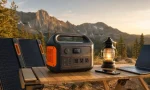

On long drives and camping nights, a portable power station can:
- Keep phones and tablets charged for navigation and communication
- Power laptops, cameras, and drones for work and content creation
- Run a portable fridge or cooler to keep food and drinks fresh
- Supply energy to LED lights, fans, or small air pumps
- Provide emergency backup in case your car battery dies or the campsite has no outlets
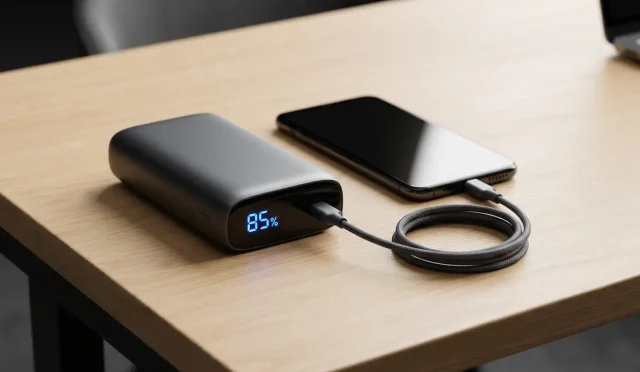
Unlike small power banks, a portable power station offers much higher capacity and supports AC outlets, DC outputs, and high‑speed USB charging. This makes it a central “power hub” for your vehicle and campsite.
Key Features to Consider When Choosing a Portable Power Station
Not all power stations are created equal. When comparing the best portable power stations for road trips and car camping, focus on the following features.
1. Battery Capacity (Wh)
Capacity is measured in watt‑hours (Wh) and tells you how much energy the power station can store. For road trips and car camping, aim for:
- 300–500 Wh: Light users, weekend trips, basic device charging
- 500–1000 Wh: Small fridge, fan, lights, and several devices
- 1000+ Wh: Longer trips, power‑hungry devices, or small RV setups
Higher capacity lets you stay off‑grid longer without recharging, which is crucial if you camp in remote areas.
2. Output Power (W) and Surge Rating
Output power, measured in watts (W), shows how much load the power station can handle at once. Continuous output should cover your typical usage, while surge rating covers short bursts of higher demand at startup.
For car camping and road trips, look for:
- At least 500W continuous output for basic setups
- 1000W or more if you want to run a portable fridge, small appliances, or power multiple devices simultaneously
Check the wattage of everything you plan to plug in to avoid overloading the system.
3. Port Variety and Number of Outlets
A versatile portable power station should offer:
- AC outlets (for laptops, small appliances)
- USB‑A and USB‑C ports (for phones, tablets, cameras)
- DC or car socket outputs (for fridges, air compressors, or car accessories)
The more ports and the better the layout, the easier it is to power multiple devices at the same time without using extra adapters.
4. Charging Options
Efficient recharging is vital on the road. The best portable power stations for car camping usually support:
- Wall charging (AC) for fast charging before you leave home
- Car charging (12V) so you can top up while driving
- Solar panel input for sustainable, off‑grid charging at the campsite
Having solar compatibility is especially valuable for longer trips where you want to stay independent from grid power.
5. Weight, Size, and Portability
Space is limited in most cars and vans, so you need a balance between capacity and portability. Ask yourself:
- Can you lift it comfortably in and out of the car?
- Does it fit in your trunk or under a seat without sacrificing other gear?
- Does it have a sturdy handle and durable casing for frequent travel?
For most road trippers, a mid‑sized unit around 20–30 lbs with 800–1200 Wh capacity offers the best compromise.
6. Battery Type and Lifespan
Many premium portable power stations use Li‑ion or LiFePO4 batteries. LiFePO4 batteries typically provide:
- Longer cycle life
- Better thermal stability
- More consistent performance over time
When you invest in a higher‑end power station, you want a battery that supports hundreds or even thousands of charge cycles.
7. Safety Features and Display
Safety and transparency matter, especially when using a high‑capacity battery in a car:
- Look for built‑in protection against overcharge, overcurrent, short circuit, and overheating.
- An easy‑to‑read display that shows remaining capacity, input/output power, and estimated runtime makes trip planning easier and prevents surprises.
Practical Use Cases for Car Camping and Road Trips
A quality portable power station changes the way you travel. Here are some realistic scenarios:
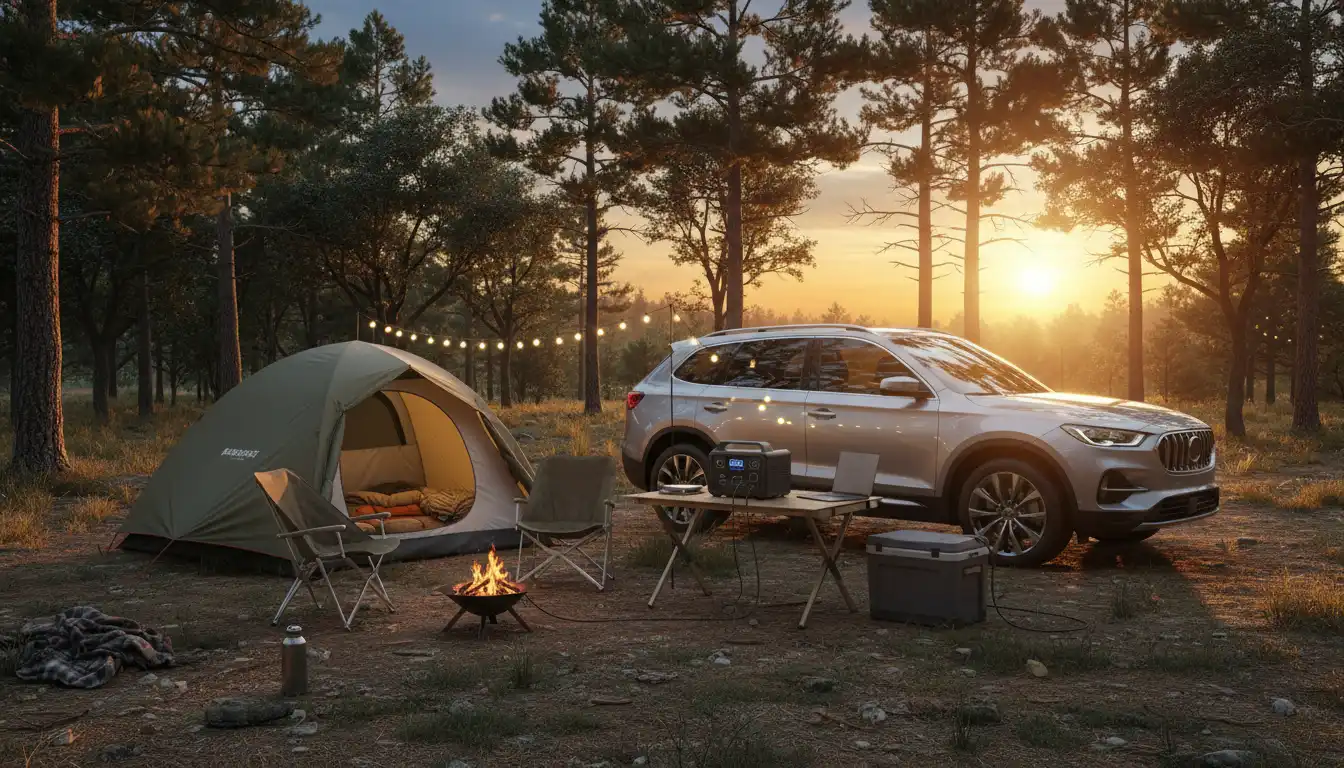
- Weekend car camping: Power string lights, recharge phones and cameras, and run a small fan overnight without draining your car battery.
- Photography or videography road trip: Keep drones, cameras, laptops, and external drives charged anywhere, so you never miss a sunrise or sunset shot.
- Family road trip: Run tablets, a small TV, or a portable game console to keep kids entertained during long drives or rainy evenings at camp.
- Remote work on the road: Use a laptop, mobile hotspot, and monitor from your car or tent, turning any scenic location into a temporary office.
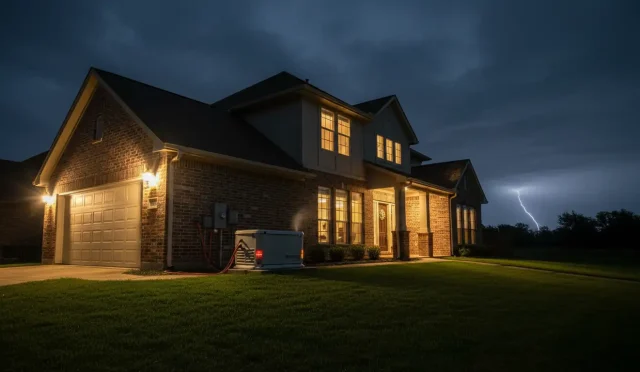
- Emergency backup: During power outages at home, a portable power station can keep critical devices like phones, medical equipment, or Wi‑Fi routers online.
By choosing the right model, you ensure that your power station can adapt to all these scenarios without stress.
Tips for Maximizing Battery Life and Efficiency
To get the most out of your portable power station on road trips and camping adventures:
- Charge fully before departure and top up whenever you have access to power.
- Use energy‑efficient devices (LED lights, low‑draw fridges, efficient fans) to stretch your capacity.
- Avoid deep discharges when possible; keeping the battery between 20% and 80% can extend its lifespan.
- Store in moderate temperatures and keep it out of direct sun inside your car.
- Use solar panels during longer stays to maintain charge during the day.
These habits help maintain both day‑to‑day performance and long‑term battery health.
Recommended Product: Jackery Explorer 1000 v2 Portable Power Station
For most people seeking one of the best portable power stations for road trips and car camping, the Jackery Explorer 1000 v2 Portable Power Station is an excellent option to consider on Amazon.com.
Why it’s a strong choice:
- High capacity around 1000Wh: Ideal for weekend trips, extended car camping, and powering a mix of devices.
- Robust output power: Can handle laptops, mini‑fridges, CPAP machines, cameras, and more at the same time.
- Multiple ports: A generous mix of AC outlets, USB‑A, USB‑C, and DC outputs so you can connect everything without extra hubs.
- Fast and flexible charging: Recharge via wall outlet, car socket, or compatible solar panels, making it perfect for off‑grid road adventures.
- Portable and travel‑friendly design: A sturdy handle and compact footprint make it easy to carry from car to campsite.
If you want a reliable, versatile, and well‑built power solution for road trips and car camping, the Jackery Explorer 1000 v2 Portable Power Station is a highly practical and traveler‑friendly recommendation.