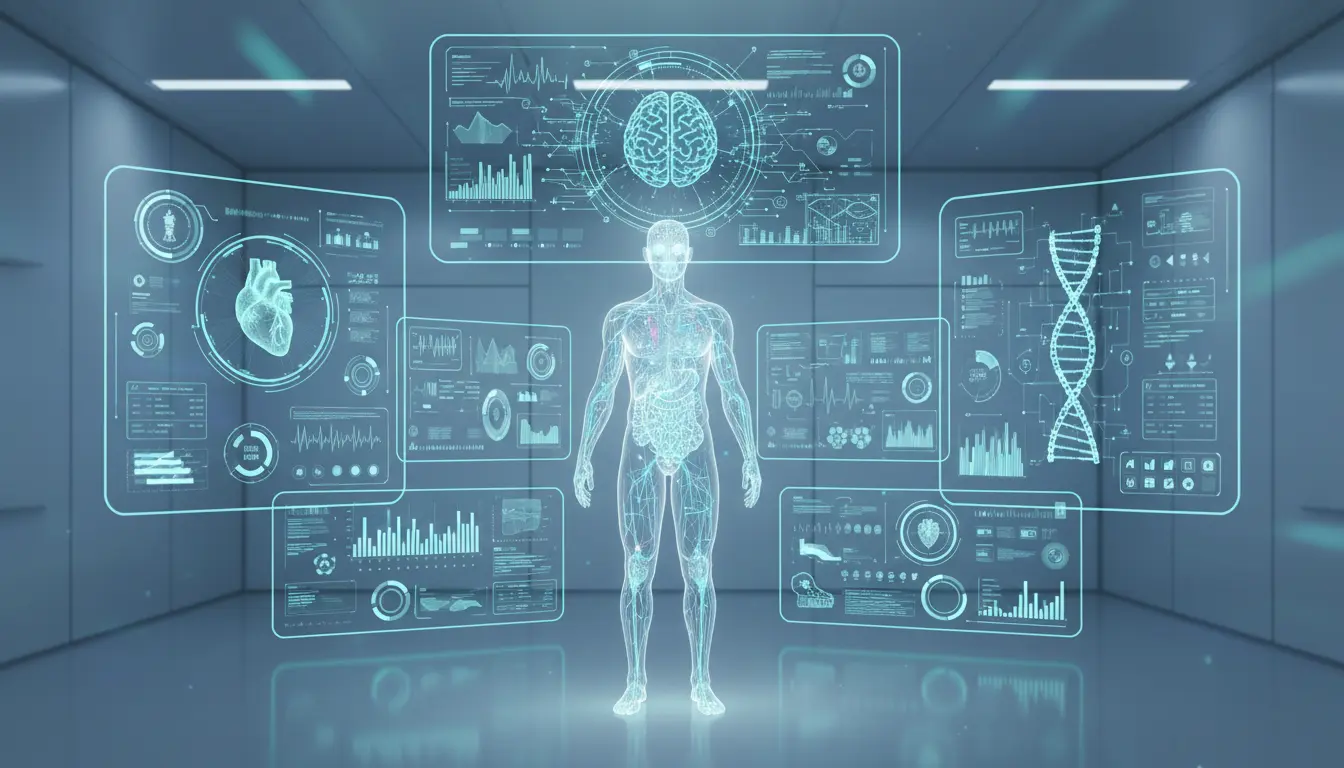

Digital Twin Human Models: A New Era in Personalized Medical Simulation
Digital twin human models are redefining the future of personalized medicine. A digital twin is a highly detailed virtual replica of an individual patient, continuously updated with real health data. Through advanced simulations, clinicians can test treatments, predict outcomes, and design personalized care plans without exposing the real patient to risk.
Unlike traditional, one-size-fits-all medical approaches, digital twin technology makes it possible to understand how a specific body might respond to a particular drug, surgery, or lifestyle intervention. This leads to more accurate diagnoses, fewer side effects, and more effective long‑term treatment strategies.
How Digital Twin Human Models Work
Digital twin human models integrate multiple layers of patient data into one coherent simulation. Typical data sources include:
- Medical imaging (MRI, CT, ultrasound)
- Electronic health records
- Genomic and proteomic data
- Laboratory test results
- Data from wearable and implantable devices
Advanced computational models use this data to represent organs, tissues, blood flow, and physiological processes. As new data is collected, the virtual model is updated, allowing it to evolve alongside the patient’s real health status. This dynamic, data‑driven representation forms the basis for personalized medical simulation.
Personalized Treatment Planning and Therapy Optimization
One of the most powerful benefits of digital twin human models is personalized treatment planning. Before prescribing a therapy, clinicians can run multiple “what‑if” scenarios on the digital twin. For example, they can:
- Test different drug combinations and dosages
- Simulate long‑term effects of therapies
- Evaluate potential interactions with existing conditions or medications
These simulations reveal how the virtual patient might respond to each option. As a result, physicians can select the safest and most effective therapy, reducing trial‑and‑error in real life and improving overall clinical outcomes.
Surgical Planning and Virtual Patient Simulation
Digital twin technology is transforming surgical planning through highly detailed virtual patient simulation. Surgeons can practice complex procedures on a realistic digital replica of the patient’s anatomy, including:
- Organ shape and size
- Vascular structures
- Biomechanical properties of tissues
By virtually rehearsing different surgical strategies, they can anticipate complications, choose optimal access paths, and refine their technique. This leads to:
- Shorter surgery times
- Lower risk of intraoperative errors
- Faster, safer recovery for patients
In high‑risk fields like cardiac, orthopedic, and neurosurgery, this level of preparation is especially valuable.
Role in Drug Development and In Silico Clinical Trials
Digital twin human models are also becoming essential in pharmaceutical research. Before real‑world trials, companies can conduct in silico clinical trials using virtual patient populations. With digital twins, researchers can:
- Simulate drug absorption, distribution, metabolism, and excretion
- Evaluate toxicity and side effects in diverse virtual cohorts
- Identify promising drug candidates earlier in the pipeline
This approach shortens development cycles, lowers costs, and reduces the need for large animal or early‑stage human trials. In the future, digital twins may help to design more targeted clinical trials by selecting participants whose virtual models suggest a high likelihood of benefit.
Real-Time Monitoring and Predictive Health Analytics
When connected to real‑time health data, digital twins become powerful predictive tools. Wearable devices, home monitoring systems, and implantable sensors continuously send physiological signals such as:
- Heart rate and rhythm
- Blood pressure
- Blood glucose levels
- Respiratory rate and oxygen saturation
These data streams allow the virtual model to mirror the patient’s current condition. AI‑driven predictive health analytics can then identify early warning signs of deterioration, such as heart failure decompensation or acute respiratory distress. Clinicians can intervene earlier, often preventing hospitalizations or critical events.
AI, Machine Learning, and Computational Physiology
Artificial intelligence and machine learning lie at the core of accurate digital twin human models. AI algorithms analyze large volumes of clinical and simulation data to refine:
- Physiological parameters in the model
- Predictions of disease progression
- Individual responses to specific therapies
Computational physiology modeling combines physics‑based equations with data‑driven methods, offering a deeper understanding of organ function and systemic interactions. Over time, continuous learning from thousands of digital twins will make these simulations increasingly precise and clinically reliable.
Data Privacy, Ethics, and Regulatory Challenges
Because digital twins depend on detailed, sensitive health data, strong ethical and regulatory frameworks are essential. Key requirements include:
- Robust data encryption and secure storage
- Strict access control and user authentication
- Transparent consent processes for patients
- Compliance with health data regulations and standards
Patients must understand how their data is collected, processed, and used to build virtual patient simulations. Clear communication and transparent governance help build trust, which is critical for large‑scale adoption of digital twin technology in healthcare.
Interoperability and Medical Data Integration
For digital twin human models to reach their full potential, healthcare systems and technologies must be interoperable. Today, hospitals, labs, imaging centers, and device manufacturers often use incompatible data formats and isolated platforms. Effective medical data integration requires:
- Standardized data models and ontologies
- Open APIs and interoperable interfaces
- Unified platforms that aggregate multimodal health data
When data moves smoothly across systems, digital twins can incorporate comprehensive patient information, resulting in more accurate simulations and better‑informed clinical decisions.
Future Directions: Whole-Body Virtual Humans and Beyond
The evolution of digital twin technology is moving from single‑organ models to full‑body virtual humans. Future digital twins will simulate complex interactions between multiple systems, such as:
- The impact of metabolic disorders on cardiovascular risk
- How immune response modifies cancer progression
- The interplay between neurological, endocrine, and musculoskeletal systems
This holistic approach will enable more precise personalized medicine, especially for patients with multiple chronic conditions. As computing power grows and data quality improves, digital twin human models will become a standard component of next‑generation healthcare, supporting prevention, early diagnosis, treatment optimization, and long‑term disease management.
Conclusion: Digital Twins as a Cornerstone of Personalized Medicine
Digital twin human models represent a powerful convergence of data, simulation, and clinical expertise. By safely testing medical decisions in a virtual environment, they reduce risk, support personalized therapy, and enhance the quality of care. From surgical planning and drug development to continuous monitoring and predictive analytics, digital twins are reshaping how healthcare systems understand and treat each unique patient.
As AI, interoperability, and regulatory frameworks advance, digital twin human models will become more accessible and scalable, turning personalized medical simulation into a practical reality rather than a distant vision.