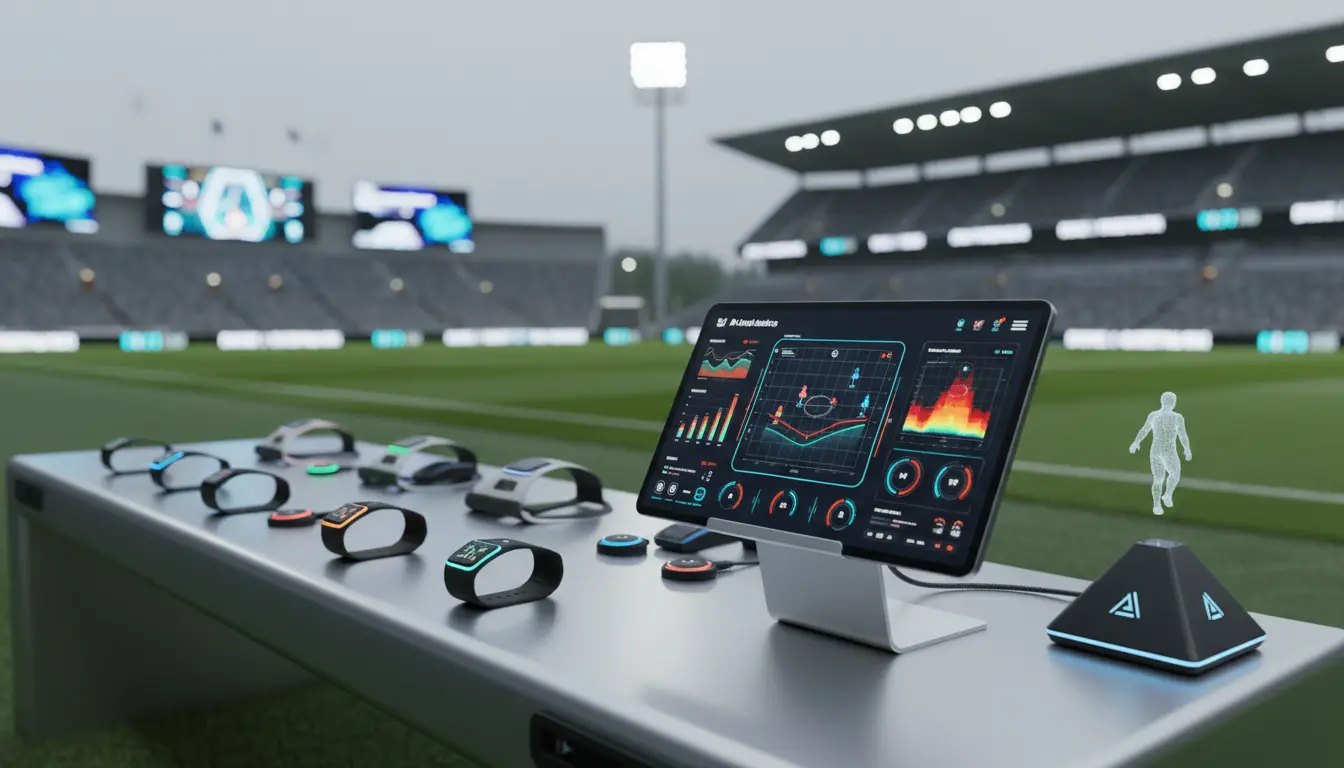

AI-Powered Sports Analytics Devices for Athletes and Coaches Worldwide
AI-powered sports analytics devices are reshaping how athletes and coaches across the globe train, compete, and recover. These smart systems combine advanced sensors, wearables, and machine learning to transform raw performance data into actionable insights. Instead of relying only on intuition or basic statistics, teams now use AI to gain a deeper understanding of physical condition, technique, and tactics.
By processing complex datasets in real time, AI-powered sports analytics devices help athletes improve efficiency, avoid injuries, and maximize their potential. For coaches, they provide a clearer picture of each player’s strengths, weaknesses, and readiness, enabling more confident and data-driven decisions.
What Are AI-Powered Sports Analytics Devices?
AI-powered sports analytics devices are a combination of hardware and software tools designed to measure, analyze, and optimize athletic performance. They often include:
- Wearable sensors (wristbands, chest straps, smart clothing)
- GPS and positional tracking units
- Motion capture sensors and accelerometers
- Heart-rate and HRV monitors
- Cloud-based analytics platforms with machine learning models
These systems collect data such as speed, acceleration, jump height, joint angles, heart rate, and movement patterns. AI algorithms then identify trends and correlations that would be difficult or impossible to detect manually. As a result, athletes and coaches receive clear, practical recommendations instead of raw numbers.
Benefits for Athletes: Personalized and Data-Driven Training
One of the biggest advantages of AI sports analytics for athletes is personalization. Every athlete has a unique body, playing style, and response to training. Generic training plans often fail to reflect these differences.
AI-powered sports analytics devices allow athletes to:
- Track technique in detail (stride length, ground contact time, shot mechanics)
- Monitor fatigue and readiness through biometric data
- Adjust training intensity based on real-time feedback
- Measure progress objectively over days, weeks, and seasons
For example, a sprinter can see exactly how their form changes under fatigue, while a soccer player can analyze how their top speed and sprint frequency vary across a match. This information helps athletes train smarter, focus on the right weaknesses, and avoid overtraining.
How Coaches Use AI Sports Analytics in Daily Practice
For coaches, AI-powered sports analytics devices serve as a powerful extension of their experience and tactical knowledge. Instead of replacing the coach, AI supports more informed and precise decisions.
Coaches can use analytics platforms to:
- Compare player workloads and adjust training sessions
- Monitor recovery and schedule rest days at the right time
- Evaluate tactical systems based on objective performance data
- Identify which players are trending upwards or downwards in form
Dashboards and visual reports make it easier to communicate findings to athletes and staff. When players see objective data supporting the coach’s message, they are often more engaged and more willing to buy into the training plan.
Injury Prevention and Athlete Health Monitoring
Injury prevention is one of the most valuable applications of AI-powered sports analytics devices. By continuously monitoring movement patterns and workload, AI systems can detect early warning signs before a serious injury occurs.
Typical applications include:
- Identifying asymmetries between left and right limbs
- Detecting sudden spikes in training load
- Monitoring heart-rate variability for signs of high fatigue or stress
- Flagging unusual movement patterns after minor strains or knocks
When predefined thresholds are exceeded, the system can alert medical staff or coaches. This allows quick adjustments to training volume, exercise type, or recovery protocols. Over time, this proactive strategy can significantly reduce both the frequency and severity of injuries, protecting athlete health and long-term performance.
Recovery, Wellness, and Long-Term Performance
Modern performance is not just about how hard an athlete trains but also how well they recover. AI-powered sports analytics devices integrate multiple aspects of wellness into a single, holistic picture.
These systems can track:
- Sleep duration and quality
- Resting heart rate and HRV
- Training intensity and total workload
- Self-reported wellness, stress, or soreness scores
- Nutrition and hydration logs (when inputted)
Using this information, AI suggests individualized recovery strategies, such as active recovery sessions, stretching routines, or adjustments in training volume. For athletes who travel frequently or compete in different time zones, AI-driven recommendations can support jet lag management and daily routine planning. This comprehensive approach leads to more consistent performance and reduces the risk of burnout.
Tactical and Strategic Insights for Teams
Beyond individual performance, AI-powered sports analytics devices also provide deep tactical insights at the team level. In sports like football, basketball, rugby, and hockey, understanding positioning and movement patterns is critical.
AI tools can:
- Analyze match footage and tracking data to identify optimal formations
- Highlight where defensive gaps repeatedly appear
- Show how opponents build attacks or create scoring chances
- Measure pressing intensity, spacing, and off-ball movement
With this information, coaches design targeted training sessions and match strategies. During games, real-time analytics can inform substitutions, tactical adjustments, or changes in pressing intensity. The result is a more adaptive, data-driven coaching style that responds quickly to what is actually happening on the field.
Talent Identification and Development with AI
AI-powered sports analytics devices are also changing how young talent is identified and developed. Instead of relying purely on visual scouting, clubs and academies can use standardized tests and AI analysis to evaluate key performance indicators.
This approach helps organizations:
- Discover hidden talent that may not stand out immediately
- Compare athletes objectively across different regions and age groups
- Track development over time with consistent, reliable data
- Make more informed decisions about recruitment and long-term investment
By combining subjective scouting with objective analytics, clubs build a more complete picture of each athlete’s potential.
Accessibility, Ethics, and the Future of AI in Sports
As hardware costs fall and cloud platforms become more user-friendly, AI-powered sports analytics devices are reaching a much wider audience. Semi-professional clubs, college teams, and even individual athletes are now able to access technologies that were once reserved for elite organizations.
However, this growth raises important questions around:
- Data privacy and security
- Ownership and control of biometric data
- Fair use of analytics in contracts and selection decisions
Clear policies and transparent communication are essential to build trust. Athletes, coaches, and organizations must understand how data is stored, who can access it, and for what purpose.
Looking ahead, the integration of AI with computer vision, virtual reality, and digital twins will push sports analytics even further. Technique could be analyzed without wearables using cameras alone, while virtual environments will allow athletes to train tactical scenarios in a highly realistic and measurable way. In all cases, AI-powered sports analytics devices will remain central to turning complex data into understandable, actionable performance intelligence.