
RAW vs. HEIF/HEIC in Mobile Photography: A Comprehensive Comparison for Optimal Image Quality
In the rapidly evolving world of mobile photography, the choice of image format plays a pivotal role in determining the quality, flexibility, and storage efficiency of your captured moments. While JPEG has long been the ubiquitous standard, the advent of RAW and HEIF/HEIC formats has introduced new dimensions for mobile photographers seeking to elevate their craft. This comprehensive guide delves into a detailed comparison of RAW and HEIF/HEIC, exploring their unique characteristics, advantages, disadvantages, and practical implications for mobile users. Understanding these formats is crucial for anyone aiming to unlock the full potential of their smartphone camera and achieve professional-grade results.
The Uncompressed Power of RAW: Capturing Every Detail
RAW, often referred to as a “digital negative,” is an uncompressed or minimally compressed image format that captures all the data recorded by your smartphone’s camera sensor. Unlike JPEGs, which undergo in-camera processing and compression, RAW files retain a vast amount of information, including a wider dynamic range, richer color depth, and finer detail. This unprocessed data provides unparalleled flexibility during post-processing, allowing photographers to make significant adjustments to exposure, white balance, shadows, highlights, and color grading without introducing artifacts or degrading image quality.
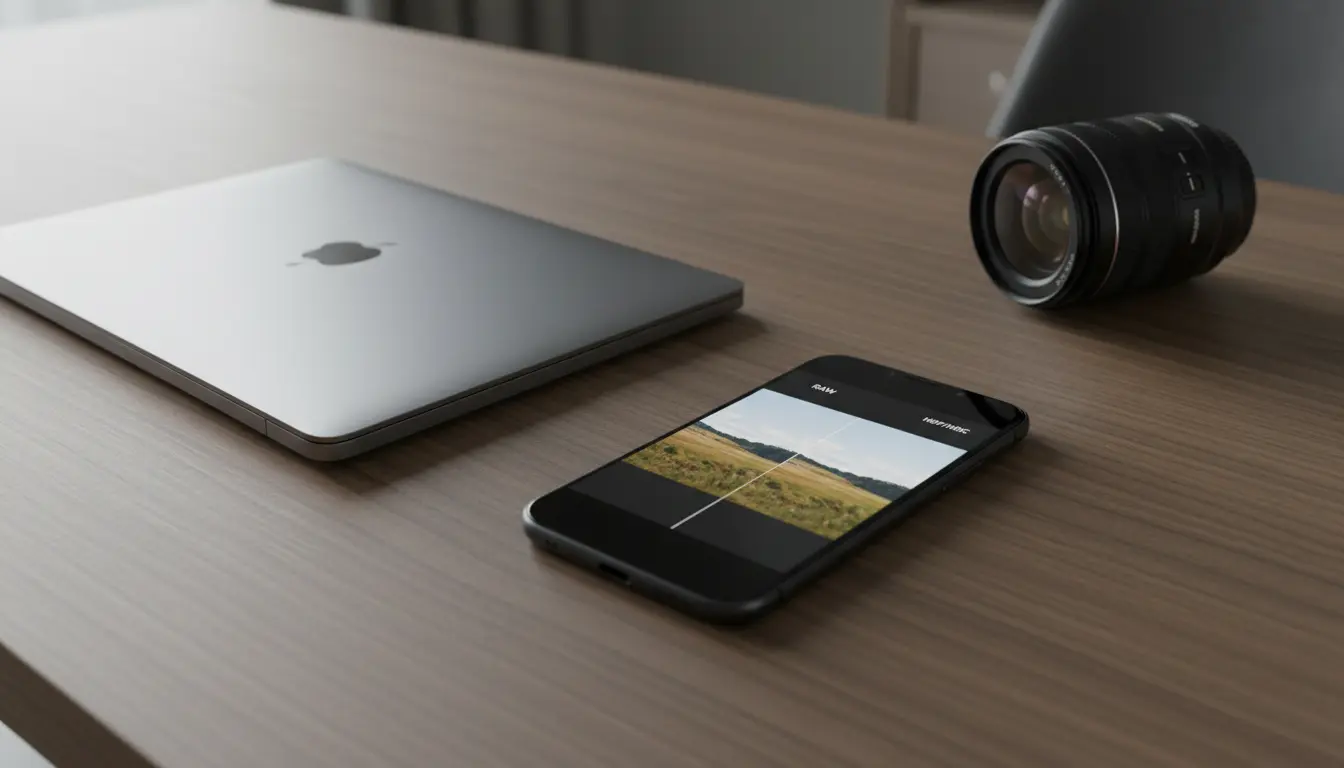
For mobile photographers, shooting in RAW means having greater control over the final look of their images. Imagine a scenario where you’ve captured a stunning landscape with a bright sky and deep shadows. A JPEG might struggle to retain detail in both extremes, leading to blown-out highlights or crushed blacks. A RAW file, however, preserves this information, enabling you to recover details in both the brightest and darkest areas during editing. This level of control is invaluable for those who want to fine-tune their images to perfection, whether for artistic expression or professional use.



However, the power of RAW comes with certain trade-offs. RAW files are significantly larger than JPEGs or HEIF/HEIC files, consuming more storage space on your device. This can be a concern for users with limited storage or those who capture a large volume of photos. Additionally, RAW files require dedicated editing software, such as Adobe Lightroom Mobile, Snapseed, or other professional-grade applications, to be processed and converted into a more universally viewable format like JPEG. While many mobile editing apps now support RAW, the workflow can be more involved than simply sharing a JPEG.
HEIF/HEIC: The Efficient Evolution of Image Compression
HEIF (High Efficiency Image File Format) and its Apple-specific implementation, HEIC (High Efficiency Image Container), represent a significant leap forward in image compression technology. Developed by the Moving Picture Experts Group (MPEG), HEIF/HEIC offers superior compression efficiency compared to JPEG, meaning it can store images of comparable or even higher quality in a much smaller file size. This efficiency is a game-changer for mobile users, as it allows them to store more photos on their devices without sacrificing image quality.
The primary advantage of HEIF/HEIC lies in its ability to deliver excellent image quality with reduced file sizes. This translates to faster uploads, quicker sharing, and more available storage. For the average mobile photographer who primarily shares images on social media or with friends and family, HEIF/HEIC strikes an ideal balance between quality and convenience. It also supports a wider range of features than JPEG, including transparency, image sequences (like Live Photos), and depth maps, opening up new possibilities for creative expression.
Despite its numerous benefits, HEIF/HEIC does have some limitations. While its adoption is growing, it’s not as universally compatible as JPEG. Older devices, certain operating systems, and some web platforms may not natively support HEIF/HEIC, requiring conversion to JPEG for viewing or sharing. This can add an extra step to the workflow, though many modern devices and platforms now handle HEIF/HEIC seamlessly. Furthermore, while HEIF/HEIC offers better quality retention than JPEG during compression, it still involves some loss of data compared to RAW. This means that while editing flexibility is greater than with JPEG, it’s not as extensive as with RAW.
Head-to-Head: RAW vs. HEIF/HEIC for Mobile Photographers
The choice between RAW and HEIF/HEIC ultimately depends on your photographic goals, workflow, and storage considerations.
For the Serious Enthusiast and Professional: If you prioritize maximum image quality, extensive editing flexibility, and are willing to invest time in post-processing, RAW is the clear winner. It provides the most data for manipulation, allowing you to extract every ounce of detail and color from your captures. This is particularly beneficial for challenging lighting conditions, intricate compositions, or when you plan to print your images at larger sizes. The larger file sizes and need for dedicated editing software are acceptable trade-offs for the creative control it offers.
For the Everyday Shooter and Social Sharer: If your primary goal is to capture high-quality images for sharing on social media, messaging apps, or for general viewing, HEIF/HEIC is an excellent choice. Its superior compression efficiency allows you to store more photos without compromising significantly on visual quality. The smaller file sizes make sharing faster and more convenient, and the format’s growing compatibility ensures a smooth experience on most modern platforms. While editing flexibility is not as robust as RAW, it’s still a significant improvement over traditional JPEGs.
Hybrid Approach: The Best of Both Worlds: Many mobile photographers adopt a hybrid approach, leveraging the strengths of both formats. They might shoot in RAW for critical shots that require extensive editing or for challenging lighting situations, and use HEIF/HEIC for everyday captures, casual moments, or when storage is a concern. Some smartphone cameras even offer the option to capture both a RAW and a HEIF/HEIC file simultaneously, providing the ultimate flexibility. This allows you to have a high-quality, editable RAW file for archival or professional use, and a smaller, shareable HEIF/HEIC file for immediate distribution.
Optimizing Your Mobile Photography Workflow
Regardless of your chosen format, optimizing your mobile photography workflow is key to achieving consistent and high-quality results.
Storage Management: If you’re shooting in RAW, regularly offload your files to cloud storage or an external hard drive to free up space on your device. For HEIF/HEIC users, while file sizes are smaller, it’s still good practice to back up your photos to prevent data loss.
Editing Software: Invest time in learning a mobile editing application that supports your chosen format. For RAW, apps like Adobe Lightroom Mobile, Snapseed, and Darkroom offer powerful tools. For HEIF/HEIC, most native photo editors on smartphones provide sufficient editing capabilities.
Understanding Your Camera: Familiarize yourself with your smartphone camera’s settings. Many modern smartphones offer manual controls that allow you to adjust exposure, ISO, shutter speed, and white balance, giving you more control over your RAW captures.
Experimentation: Don’t be afraid to experiment with both formats. Shoot the same scene in RAW and HEIF/HEIC, then compare the results during editing. This hands-on experience will help you understand the nuances of each format and determine which best suits your personal style and needs.
The Future of Mobile Image Formats
As smartphone camera technology continues to advance, we can expect further innovations in image formats. The trend towards computational photography, where multiple images are combined and processed to create a single, enhanced output, will likely influence future formats. These formats may offer even greater efficiency, more advanced editing capabilities, and seamless integration with AI-powered image enhancements. The ongoing evolution ensures that mobile photographers will continue to have powerful tools at their disposal to capture and create stunning visuals.
In conclusion, both RAW and HEIF/HEIC offer distinct advantages for mobile photographers. RAW provides unparalleled editing flexibility and maximum image quality, ideal for serious enthusiasts and professionals. HEIF/HEIC delivers excellent quality with superior compression efficiency, making it perfect for everyday shooting and social sharing. By understanding the strengths and weaknesses of each format and adopting a workflow that aligns with your photographic aspirations, you can unlock the true potential of your smartphone camera and capture breathtaking images that stand out.