
Water-Resistant Label Printers: A Complete Guide for Durable, Long-Lasting Labels
Water-resistant label printers have become essential tools for businesses and individuals who need labels that can withstand moisture, spills, outdoor conditions, and frequent handling. Whether you are labeling products, organizing warehouse shelves, or creating barcode stickers for refrigerated items, choosing the right printer is crucial for long-term performance and professional results.
This guide explains what a water-resistant label printer is, how it works, where it is used, and which features you should look for when buying one. You will also find a product suggestion from Amazon at the end to help you get started.
What Is a Water-Resistant Label Printer?
A water-resistant label printer is a device designed to print on label materials that can resist water, humidity, and sometimes even chemicals, oil, and UV light. These printers usually work with:
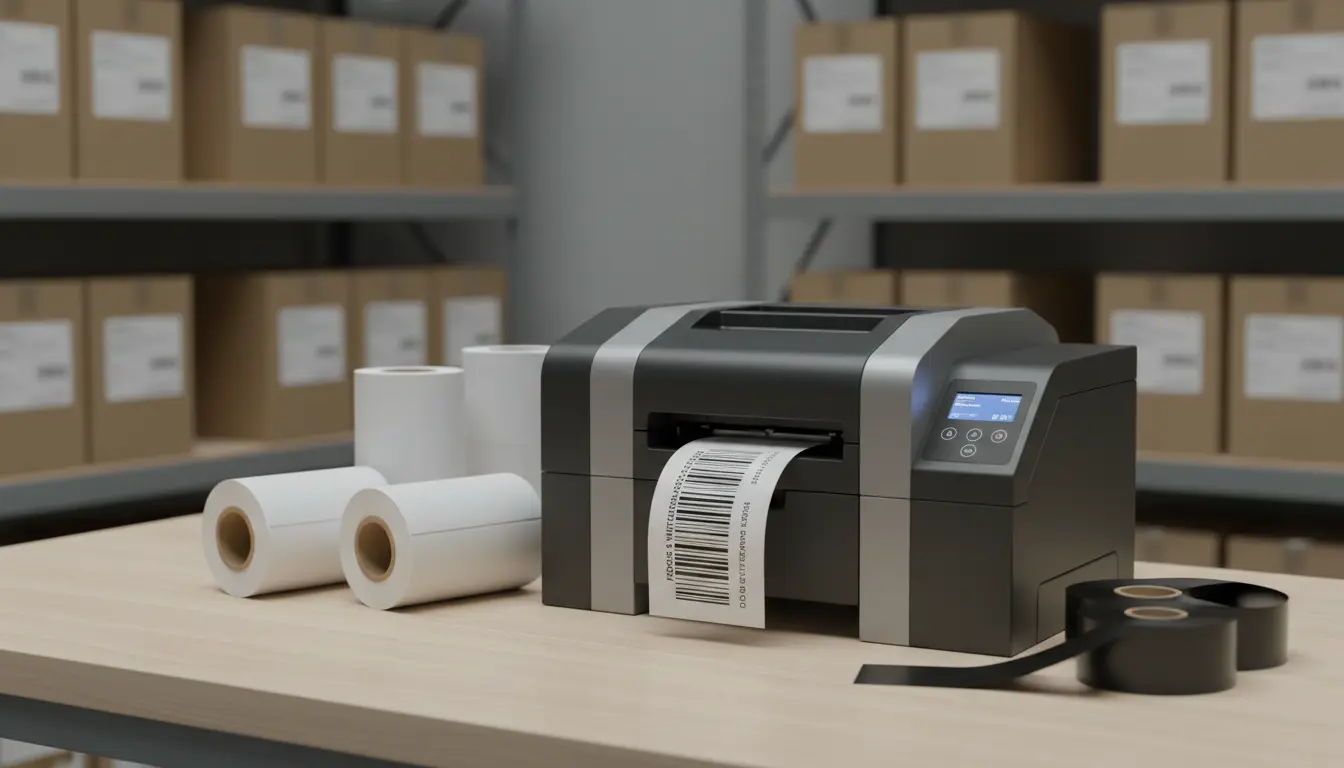
- Thermal transfer labels using resin or wax-resin ribbons
- Durable synthetic labels such as polypropylene or polyester
- Special inkjet labels designed for water resistance when used with pigment ink
The combination of the right printer, compatible label material, and suitable ink or ribbon creates labels that remain legible and intact even when exposed to harsh environments.
Why Water-Resistant Labels Matter
Using non‑waterproof labels in challenging environments can lead to:
- Faded text and barcodes
- Peeling or disintegration of the label
- Lost traceability for inventory or products
- Compliance issues in regulated industries
Water-resistant label printers help solve these problems by producing labels that:
- Stay readable over time
- Maintain adhesion on various surfaces
- Support barcodes, QR codes, logos, and small text
- Improve overall brand image through neat, durable labeling
Main Technologies Used in Water-Resistant Label Printers
1. Thermal Transfer Printing
Thermal transfer is one of the most reliable methods for water-resistant labels. It uses a ribbon that transfers ink to the label under heat.
- Advantages
- Excellent durability against water, abrasion, and chemicals (especially with resin ribbons)
- Ideal for barcodes, asset tags, industrial labels, and outdoor use
- Works well on synthetic label materials
- Best For
- Warehouses and logistics
- Manufacturing and industrial settings
- Laboratories and healthcare
- Asset tracking and equipment labels
2. Direct Thermal Printing
Direct thermal printers do not use ribbons. They print directly on heat-sensitive paper.
- Advantages
- Simple and low-maintenance
- Good for short‑term labels such as shipping labels
- Limitations
- Most direct thermal labels are not fully water-resistant
- They fade over time, especially with heat and sunlight
- Only suitable for temporary applications
Some enhanced direct thermal materials offer better moisture resistance, but for true water‑resistant labels, thermal transfer or specialized inkjet is usually more reliable.
3. Inkjet Label Printing
Certain inkjet label printers, especially those using pigment inks with specially coated label rolls or sheets, can produce water-resistant labels.
- Advantages
- High-resolution, full-color printing for branding
- Great for product labels, cosmetics, and artisan foods
- Limitations
- Requires compatible waterproof label stock
- Not all ink types are water-resistant (dye-based inks are less durable)
Inkjet is a strong option when design quality and color are as important as durability.
Key Features to Look For in a Water-Resistant Label Printer
1. Compatibility with Durable Label Materials
Choose a printer that supports:
- Synthetic labels (PP, PET, vinyl)
- Waterproof adhesive backings
- Label rolls or sheets that are rated as water-resistant or waterproof
Check the manufacturer’s recommendations for compatible label types.
2. Support for Resin or Wax-Resin Ribbons (for Thermal Transfer)
If you need long‑lasting labels, especially in outdoor or industrial environments, make sure the printer can use:
- Resin ribbons for maximum resistance to water, chemicals, and abrasion
- Wax‑resin ribbons for a balance between cost and durability
This combination dramatically increases label lifespan.
3. Print Resolution and Quality
Resolution is usually measured in dots per inch (dpi). For clear barcodes and small text:
- 203 dpi is often enough for basic barcodes and shipping labels
- 300 dpi or higher is recommended for small fonts, logos, and high‑detail designs
High resolution is particularly important for product labels that represent your brand.
4. Connection Options and Ease of Use
Modern water-resistant label printers often support:
- USB connection
- Ethernet or Wi‑Fi for networked environments
- Bluetooth for mobile printing
User-friendly software, templates, and mobile apps can save time when designing and printing labels.
5. Compatibility with Labeling Software
For business use, ensure compatibility with:
- Inventory management and WMS systems
- Shipping platforms
- Barcode design software
Integration with existing tools can automate label printing and reduce manual errors.
6. Print Volume and Speed
Estimate your typical printing volume:
- Light use: occasional product labels or office organization
- Medium use: daily printing for small businesses or e‑commerce
- Heavy use: industrial, logistics, or warehouse environments
Choose a printer designed for your duty cycle. Industrial-grade printers are more expensive but built to handle continuous workloads.
Typical Use Cases for Water-Resistant Label Printers
1. E‑Commerce and Shipping
Online sellers often need labels for:
- Packages exposed to rain during delivery
- Cold-chain shipments in refrigerated trucks
- Long-distance international shipments
Water-resistant labels ensure barcodes and addresses stay readable until the package reaches its destination.
2. Food and Beverage Products
Labels on food packaging frequently face:
- Condensation in refrigerators and freezers
- Spills and splashes in kitchens
- Frequent handling in stores
Durable labels preserve branding and comply with regulations requiring legible nutritional and ingredient information.
3. Cosmetics and Personal Care
Cosmetic bottles and containers may regularly contact:
- Water in bathrooms
- Oils and creams
- Cleaning products
Water-resistant label printers help create attractive, long-lasting product labels that resist smudging and peeling.
4. Industrial and Warehouse Environments
Industrial settings require labels for:
- Racks and shelves
- Pallets and containers
- Machinery and tools
These labels often face dust, oil, chemicals, and temperature changes. Thermal transfer printing with resin ribbons is especially suitable here.
5. Laboratories and Healthcare
In laboratories and hospitals, labels must stay intact on:
- Test tubes and vials stored in refrigerators or freezers
- Sample containers exposed to moisture
- Medical equipment
Water-resistant and chemical-resistant labels support safe, reliable sample tracking and patient identification.
Tips for Maximizing Label Durability
To achieve the highest level of water resistance and overall durability:
- Match Printer, Ribbon/Ink, and Label Material Carefully
Follow the manufacturer’s compatibility charts. Using the wrong ribbon or label stock can reduce water resistance. - Choose the Right Adhesive
For cold, wet, or uneven surfaces, use labels with strong or specialty adhesives designed for those conditions. - Allow Labels to Cure Before Exposure
Give freshly printed labels a short curing period before exposing them to moisture or heavy handling, especially with inkjet printing. - Test in Real Conditions
Before large-scale deployment, print sample labels and test them in actual working environments: refrigeration, outdoors, near chemicals, or under frequent washing. - Maintain Your Printer Regularly
Clean printheads and rollers according to manufacturer guidelines to ensure consistent print quality and longevity.
Example Product Recommendation on Amazon
For many small to medium businesses seeking a reliable thermal transfer label printer that can create durable, water-resistant labels, a model such as Zebra ZD421 Thermal Transfer Desktop Printer (available on Amazon.com) is a strong choice.
It supports thermal transfer ribbons, works with various synthetic label materials, offers good print resolution for barcodes and text, and is built for professional environments. Always check the product description, supported label types, and user reviews on Amazon to confirm it fits your specific needs.