
Seasonal Deep Cleaning With Vacuum Cleaners: A Complete Guide
Seasonal deep cleaning is more than just a tradition; it is an essential ritual for maintaining a healthy, comfortable, and organized home. While daily surface cleaning keeps visible dust under control, only a thorough seasonal deep clean can remove the hidden allergens, accumulated dirt, and stubborn stains that build up over months. In this process, a modern vacuum cleaner is your most powerful ally.
This comprehensive guide explains why vacuum cleaners are critical for seasonal deep cleaning, how to choose the right model, and how to use your device effectively on different surfaces. By following these tips, you can create a cleaner, fresher, and more hygienic living environment for every season.
Why Seasonal Deep Cleaning Matters
Over time, dust, pet dander, pollen, and microscopic particles settle into carpets, upholstery, mattresses, curtains, and corners that you rarely touch. Regular cleaning often skips these hidden areas, allowing allergens to accumulate. During seasonal transitions, deep cleaning:
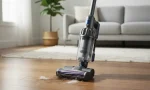

- Reduces indoor allergens and improves air quality
- Helps prevent mold and bacteria growth in damp or poorly ventilated areas
- Extends the life of carpets, rugs, and furniture
- Creates a psychologically refreshing “fresh start” feeling
Vacuum cleaners equipped with strong suction, efficient filtration, and specialized attachments can dramatically improve the results of your seasonal deep cleaning routine.
Choosing the Right Vacuum Cleaner for Deep Cleaning
Not every vacuum cleaner is equally effective for deep cleaning. When prepping for a seasonal overhaul, consider the following features:
1. Suction Power and Performance
Deep cleaning requires high suction power to remove embedded dirt from thick carpets and upholstery. Look for:
- Strong motor wattage or air watt rating
- Adjustable suction settings for delicate surfaces
- Consistent performance without losing power as the dustbin fills
A powerful vacuum reduces the number of passes you need, saving time and energy while delivering a more thorough clean.
2. Advanced Filtration and HEPA Filters
For allergy‑prone households, filtration is crucial. HEPA filters can capture up to 99.97% of particles as small as 0.3 microns, including pollen, dust mites, and pet dander. When deep cleaning:
- A vacuum with a sealed HEPA system prevents particles from leaking back into the air
- Washable or replaceable filters maintain performance over time
- Multi‑stage filtration systems trap both large debris and ultra‑fine dust
This combination is especially valuable during seasonal changes when pollen and outdoor pollutants easily enter the home.
3. Versatile Attachments and Tools
Seasonal deep cleaning means going beyond floors. The right attachments help you tackle every surface:
- Crevice tool for corners, baseboards, and tight gaps
- Upholstery tool for sofas, chairs, cushions, and mattresses
- Dusting brush for shelves, blinds, lamps, and vents
- Turbo or motorized brush for deep carpet agitation and pet hair removal
A vacuum cleaner with a rich accessory set makes the process more efficient and results more professional.
4. Corded vs. Cordless Models
Both corded and cordless vacuum cleaners can support seasonal deep cleaning, but each has pros and cons:
- Corded vacuums deliver continuous power without battery limits, often offering stronger suction and larger dust capacity.
- Cordless vacuums provide flexibility and mobility, making it easier to reach stairs, cars, and high areas, though battery life may limit extended sessions.
For large homes or very intensive deep cleaning, a corded model or a high‑capacity cordless vacuum with extra batteries may be ideal.
Seasonal Deep Cleaning Checklist With Your Vacuum Cleaner
To get the most out of your seasonal cleaning, follow a structured plan. Always start from top surfaces and move downward so that dust falls to areas you will vacuum later.
1. Ceilings, Corners, and High Surfaces
Use an extension wand and dusting brush to remove cobwebs and dust from:
- Ceiling corners and light fixtures
- Ceiling fans and air vents
- High shelves and cabinetry tops
Vacuuming these areas prevents dust from falling onto surfaces you have already cleaned.
2. Walls, Baseboards, and Window Frames
Many people ignore vertical surfaces, but they collect surprising amounts of dust:
- Gently vacuum walls with a soft brush attachment
- Clean baseboards, door frames, and window frames with a crevice tool
- Pay special attention to moisture‑prone areas where mold can form
This step supports both aesthetics and indoor air quality.
3. Deep Cleaning Carpets and Rugs
Carpets and rugs are the primary targets for seasonal deep cleaning:
- Move furniture when possible to expose hidden areas.
- Vacuum slowly in overlapping lines, passing multiple times over high‑traffic zones.
- Use a motorized or turbo brush to loosen embedded dirt and pet hair.
- If needed, pre‑treat stains and then vacuum again after they dry.
For very thick or high‑pile carpets, adjust the brush height if your vacuum allows it to maintain optimal contact.
4. Upholstery, Mattresses, and Soft Furnishings
Soft surfaces trap allergens and odors, so they require careful attention:
- Use the upholstery tool on sofas, armchairs, cushions, and headboards
- Vacuum mattresses thoroughly on both sides, focusing on seams and edges
- Clean decorative pillows, fabric ottomans, and fabric‑covered chairs
Regular seasonal vacuuming can help reduce dust mites and improve overall sleep quality.
5. Hard Floors and Corners
Even if you mop, vacuuming hard floors is essential for removing fine dust:
- Use a hard‑floor setting or soft roller head to avoid scratching delicate surfaces
- Pay attention to corners, edges, and under furniture
- Vacuum behind appliances and inside closets during your seasonal routine
Removing accumulated debris in these areas helps prevent pests and musty odors.
Seasonal Maintenance Tips for Your Vacuum Cleaner
A well‑maintained vacuum cleaner performs better and lasts longer, which is crucial for reliable seasonal deep cleaning.
- Empty the dustbin or replace bags regularly: A full container reduces suction power.
- Clean or replace filters on schedule: Follow the manufacturer’s guidelines to maintain filtration efficiency.
- Check the brush roll: Remove tangled hair, threads, and debris that can strain the motor.
- Inspect hoses and attachments: Ensure there are no blockages that limit airflow.
By taking care of your machine, you ensure powerful, consistent performance every time you deep clean your home.
Creating a Seasonal Deep Cleaning Routine
To keep your home consistently fresh and hygienic, plan a seasonal deep cleaning schedule:
- Spring: Focus on allergens like pollen and dust after a closed‑up winter.
- Summer: Target humidity‑prone areas and increased pet shedding.
- Autumn: Prepare the home for more time indoors by deep cleaning carpets and upholstery.
- Winter: Refresh air quality and remove soot or fine dust from heating systems and closed windows.
With a reliable vacuum cleaner and clear strategy, each seasonal transition becomes an opportunity to reset your home’s environment.
Recommended Vacuum Cleaner on Amazon
For powerful seasonal deep cleaning, many homeowners prefer a multi‑surface, high‑suction model with HEPA filtration and several attachments. On Amazon.com, a popular choice in this category is Shark NV360 Navigator Lift‑Away Deluxe Upright Vacuum (example product). It offers strong suction, a detachable canister for above‑floor cleaning, HEPA filtration, and tools suitable for carpets, hard floors, and upholstery, making it highly effective for thorough, seasonal deep cleaning routines.