
Wearable Devices for People With Chronic Health Conditions
Living with a chronic health condition often means constant monitoring, regular doctor visits, and ongoing lifestyle adjustments. Wearable devices are transforming this experience. They allow people to track vital signs in real time, detect early warning signs, and share accurate data with healthcare professionals. As a result, patients gain more control over their own health, while doctors make better, data-driven decisions.
This article explains how wearables help people with chronic illnesses, which features matter most, and how to choose the right device for your specific condition.
What Are Wearable Health Devices?
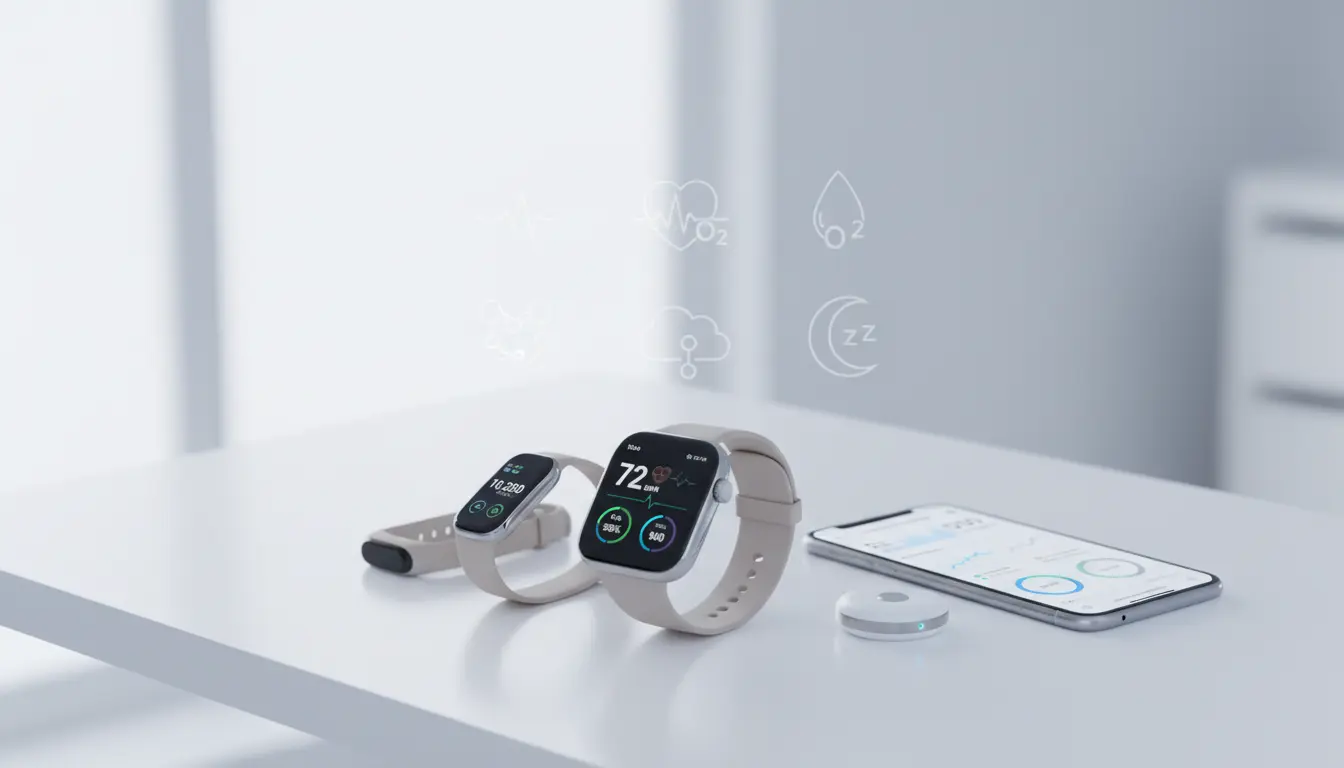
Wearable health devices are electronic gadgets worn on the body that continuously collect and analyze health-related data. Common forms include:
- Smartwatches
- Fitness bands
- Smart rings
- Clip-on monitors
- Medical-grade patches or sensors
They are equipped with sensors that measure heart rate, blood oxygen saturation (SpO₂), sleep stages, skin temperature, respiratory rate, and activity levels. Some advanced wearables also include ECG (electrocardiogram), blood pressure monitoring, and even continuous glucose monitoring through connected systems.
Why Wearables Matter for Chronic Health Conditions
For individuals with chronic diseases, small changes in vital signs can indicate an oncoming crisis. Traditionally, these changes went unnoticed between doctor visits. Wearable devices fill this gap by providing:
- Continuous Monitoring
Wearables track your health 24/7. This constant data stream helps detect patterns and trends that would be invisible in occasional check-ups. - Early Detection of Deterioration
Subtle increases in resting heart rate, irregular heart rhythms, or drops in blood oxygen can signal worsening health. Alerts allow users to seek help before a problem becomes an emergency. - Better Treatment Personalization
Doctors can review long-term data from wearable devices to adjust medications, exercise plans, and daily routines more precisely. - Improved Self-Management
Patients become more engaged in their care. Setting goals, tracking progress, and receiving real-time feedback encourage healthier habits and better adherence to treatment.
Chronic Conditions That Benefit Most From Wearables
Wearable devices support many long-term illnesses, but they are especially valuable for the following conditions.
1. Heart Disease and Hypertension
For people with heart disease, arrhythmias, or high blood pressure, wearables with heart health features can be life-saving. Key functions include:
- Continuous heart rate tracking
- ECG monitoring for irregular rhythms like atrial fibrillation
- Heart rate variability analysis to assess stress levels
- Sleep quality insights, which impact cardiovascular health
By receiving alerts for abnormal heart rhythms or unusually high resting heart rates, users can contact their doctor or seek urgent care faster.
2. Diabetes and Metabolic Disorders
While many wearables do not directly measure blood glucose, they integrate with continuous glucose monitors or health apps. Combined data from activity, sleep, and nutrition helps people with diabetes:
- Understand how exercise affects blood sugar
- Adjust meals and insulin timing
- Reduce episodes of hypo- or hyperglycemia
In addition, tracking weight, steps, and calories burned supports long-term metabolic health.
3. Respiratory Diseases (Asthma, COPD, Sleep Apnea)
For asthma or chronic obstructive pulmonary disease (COPD), wearables can:
- Monitor respiratory rate and oxygen saturation
- Detect sleep disturbances or drops in oxygen during the night
- Log triggers such as exercise or poor air quality when combined with other apps
People with sleep apnea benefit from sleep tracking that identifies frequent awakenings, snoring indicators, and poor oxygen levels, prompting further medical evaluation.
4. Chronic Pain and Autoimmune Disorders
Conditions like fibromyalgia, rheumatoid arthritis, and lupus affect energy, mobility, and sleep. Wearables support these patients by:
- Tracking step count and daily activity levels
- Measuring sleep duration and quality
- Capturing heart rate changes associated with pain or fatigue
- Correlating flare-ups with lifestyle factors such as stress or low activity
Over time, patients and doctors can identify patterns that trigger symptoms and adjust routines accordingly.
Essential Features to Look For in a Wearable Device
Choosing the right wearable device for chronic disease management depends on your specific needs. Important features include:
Accurate Health Sensors
Look for devices with:
- Optical heart rate sensors
- ECG capability (for heart patients)
- SpO₂ sensor for oxygen level tracking
- Skin temperature or body temperature trend monitoring
Accuracy and consistency are more important than having many sensors that you never use.
Long Battery Life
For continuous health monitoring, frequent charging is inconvenient and may lead to gaps in data. Devices with multi-day or even week-long battery life provide more reliable tracking and less user frustration.
User-Friendly App and Clear Visuals
A wearable is only useful if you understand the data it provides. A good mobile app should:
- Present key metrics clearly (heart rate, sleep, steps, etc.)
- Offer simple trends and graphs over time
- Provide explanations and personalized recommendations
This clarity helps people of all ages, including older adults, use the device confidently.
Health Alerts and Notifications
Timely alerts can prevent serious complications. Consider wearables that send notifications for:
- High or low heart rate
- Possible irregular heart rhythm
- Low blood oxygen
- Inactivity reminders or step goals
These gentle nudges encourage healthier daily habits.
Data Sharing With Healthcare Providers
Some devices allow secure sharing of reports with doctors or caregivers. This feature is especially helpful for:
- Individuals with complex multi-morbidity
- People who need frequent medication adjustments
Shared data leads to more informed telehealth consultations and better coordinated care.
Privacy, Security, and Data Ownership
When using wearable devices for chronic disease management, data privacy is crucial. Before choosing a device:
- Review the company’s privacy policy
- Check how data is stored and encrypted
- Confirm whether data is sold to third parties or used for advertising
- Prefer brands that allow you to download or delete your data
Owning your health data and knowing how it is used increases trust and long-term engagement.
Practical Tips for Using Wearables Effectively
To get real value from a wearable device, you should:
- Wear It Consistently
Continuous use produces a complete health picture. Try to wear the device day and night, removing it only for charging or when needed. - Set Realistic Health Goals
Start with achievable targets such as 5,000–7,000 steps per day, then gradually increase. Adjust goals based on your condition and your doctor’s advice. - Review Data Regularly
Take a few minutes each day or week to check your trends. Look for changes in resting heart rate, sleep patterns, or activity levels. - Discuss Reports With Your Doctor
Bring summaries or screenshots to appointments. This objective data often explains why symptoms changed and helps refine your treatment plan. - Use Alerts Wisely
Activate critical health alerts, but avoid enabling every notification. Too many alerts cause stress and reduce device satisfaction.
Example Wearable Recommendation (Available on Amazon)
On Amazon.com, a popular choice for people with chronic health conditions is the Apple Watch Series 11(GPS,) or similar current-generation Apple Watch. It offers:
- ECG app for detecting irregular heart rhythms
- High and low heart rate notifications
- Blood oxygen monitoring (SpO₂)
- Advanced sleep tracking
- Fall detection and emergency SOS
- Seamless integration with the Apple Health app for data sharing
This type of smartwatch combines consumer-friendly design with powerful health monitoring features, making it suitable for many patients managing long-term conditions. Always consult your doctor before relying on any device for clinical decisions.