
EV Battery Passport Regulations Coming to the US and Europe
Electric vehicles (EVs) are rapidly moving from niche products to mainstream transportation options. As this shift accelerates, regulators in both the United States and Europe are turning their attention to what sits at the heart of every EV: the battery. One of the most significant policy developments in this space is the introduction of EV battery passport regulations. These digital “passports” will track the life cycle, origin, and environmental footprint of EV batteries, transforming how automakers design, source, and recycle battery systems.
This article explains what an EV battery passport is, why regulators in the US and EU prioritize it, how it will affect manufacturers and consumers, and what it means for the future of sustainable mobility and the battery supply chain.
What is an EV battery passport?
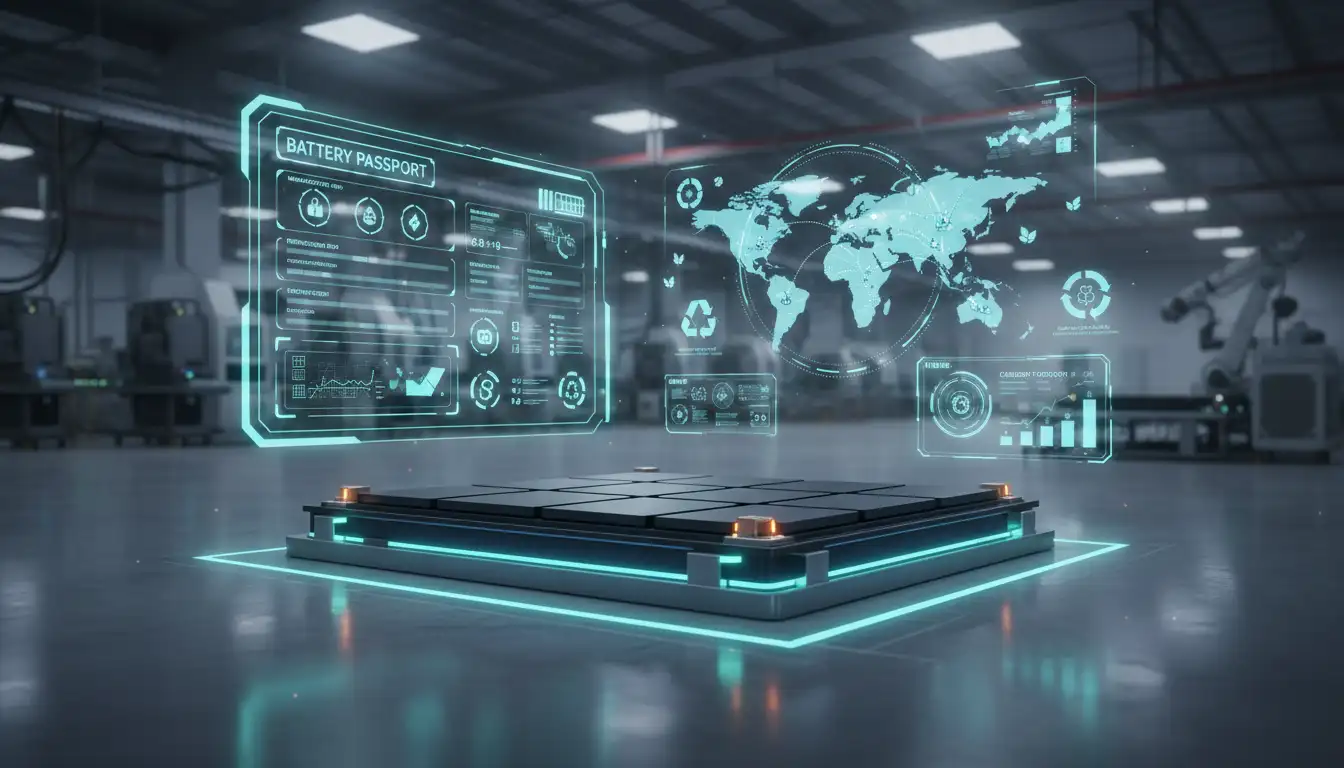
An EV battery passport is a standardized digital record that contains detailed information about a battery pack or module. It typically includes data such as:

- Raw material origin (source of lithium, cobalt, nickel, graphite, etc.)
- Manufacturing location and date
- Carbon footprint and energy mix used in production
- Chemical composition and performance characteristics
- Ownership history and repair records
- Remaining useful life and state of health
- Recycling and end-of-life processing information
In practice, this “passport” can link to each battery via a QR code, RFID tag, or other digital identifier. The data is stored in secure databases or blockchain-based platforms to ensure integrity and traceability.
The primary goal is transparency across the entire battery life cycle—from mining to manufacturing, use, repurposing, and recycling. This enables regulators, automakers, recyclers, and even end users to verify that batteries meet environmental, social, and governance (ESG) standards.
Why are battery passports being introduced in Europe?
Europe leads in regulating EV batteries as part of its broader climate and industrial policy. Under the EU’s new regulatory framework for batteries, the battery passport will become mandatory for certain traction batteries placed on the European market. This ties into the region’s ambitions to:
- Cut carbon emissions: By requiring detailed disclosure of a battery’s carbon footprint and the energy sources used in its production, the EU will nudge manufacturers to reduce emissions and invest in cleaner production processes.
- Improve supply chain transparency: Europe has expressed serious concerns about human rights and environmental impacts associated with mining critical raw materials in various parts of the world. A battery passport can show where materials originated and which refiners or processors handled them.
- Support circular economy goals: The EU wants more batteries reused and recycled within its borders. A digital passport helps recyclers understand a battery’s composition and state of health, making it easier to disassemble and recover valuable materials like lithium, cobalt, and nickel.
- Strengthen industrial competitiveness: By enforcing strict sustainability standards, the EU hopes to position its own battery and EV industry as a global leader in clean, high-quality products.
In Europe, compliance with the new battery regulation will not be optional. Manufacturers, importers, and even some downstream users will need to ensure the batteries they place on the EU market include a conforming battery passport once the rules are fully in force.
How is the United States approaching EV battery passports?
While the US regulatory structure differs from the EU’s, momentum toward battery traceability and transparency is growing. A combination of federal incentives, state policies, and industry-led initiatives pushes the US market in a similar direction, even if the exact regulatory form of an “EV battery passport” may vary.
Key drivers in the US include:
- Tax credits and subsidies for EVs and batteries that meet local content and sourcing requirements. To claim these incentives, manufacturers must document where their materials and components originate—functionally similar to a battery passport.
- National security and supply chain resilience concerns encourage policymakers to track dependence on foreign critical minerals and build out domestic refining and manufacturing capacity.
- State-level environmental regulations and extended producer responsibility (EPR) schemes will likely require more detailed data on battery life cycles, recycling, and second-life applications.
- Industry consortia and standards bodies develop common data standards and digital platforms for battery tracking, enabling interoperability and smoother cross-border trade in EVs and battery packs.
As these trends converge, the US expects to move closer to a formalized EV battery passport model, particularly for batteries used in vehicles benefiting from public subsidies or participating in regulated recycling programs.
What do EV battery passports mean for automakers and suppliers?
For manufacturers, the arrival of battery passport regulations in the US and Europe is not merely a compliance challenge; it is a structural transformation of how the EV battery supply chain operates.
- Data collection and integration
Automakers and cell producers must collect detailed information from upstream mining companies, material refiners, and component suppliers. Existing enterprise systems typically capture some of this data, but the granularity, standardization, and verification requirements under passport regulations will be higher. This may require new IT infrastructure, digital platforms, and third-party verification services. - Supplier selection and auditing
With the passport tying products to their supply chain, automakers will scrutinize suppliers more closely. ESG performance, certification, and geographic origin will carry greater weight in procurement decisions. Suppliers that cannot provide transparent, verifiable data risk exclusion from high-value EV programs in the US and EU. - Product design and lifecycle planning
A fully traceable battery encourages design for disassembly and recyclability. Manufacturers will be incentivized to create packs that are easier to refurbish, repurpose for second-life applications (such as stationary storage), and ultimately recycle. This design shift can reduce resource dependence and improve long-term cost structures. - Brand and customer trust
Battery passports also offer a marketing edge. Automakers can demonstrate that their EVs are not only zero-emission at the tailpipe but also responsible from a materials and manufacturing standpoint. Over time, consumers may come to expect access to battery passport information as a basic transparency feature.
Implications for consumers and fleet operators
While EV battery passports are primarily a regulatory and industrial tool, they will also provide tangible benefits to consumers and fleet operators.
- Better information at resale: A passport can show the state of health and usage history of a battery in a used EV, giving buyers more confidence and helping sellers achieve fairer prices.
- Improved safety and reliability: With standardized data sharing, recalls, software updates, and maintenance schedules can be managed more efficiently, reducing safety risks associated with aging or defective batteries.
- Greater sustainability assurance: Conscious consumers and corporate fleet managers can use battery passport data to verify that their vehicles meet specific environmental or ethical sourcing standards.
In the long term, the battery passport could become a core element of EV residual value calculations, insurance products, and leasing models.
Challenges in implementing EV battery passports
Despite their promise, EV battery passports present several challenges:
- Data accuracy and verification
Gathering accurate, auditable data from a multi-tier global supply chain is complex. Questions arise about how often passport data must be updated, who is responsible for maintaining it, and how to prevent manipulation. - Privacy and confidentiality
Companies may be reluctant to reveal certain details about suppliers, processes, or costs. Regulators must therefore define which data fields are mandatory and public, and which can remain confidential or aggregated. - Interoperability and global standards
EV manufacturers frequently operate across multiple regions. If the US and EU adopt conflicting data standards or technical protocols, compliance could become costly. A key priority for the coming years will be alignment on global battery passport standards to keep trade friction low and encourage innovation. - Cost and complexity for smaller players
Large automakers may absorb the cost of implementing sophisticated traceability systems, but smaller manufacturers and suppliers may struggle. Policymakers are therefore exploring ways to phase in requirements and provide support through open-source tools, templates, or funding.
The future of battery passports and sustainable mobility
As EV adoption accelerates, attention shifts from tailpipe emissions to full life-cycle sustainability. EV battery passport regulations in the US and Europe are a crucial step toward this more holistic approach.
In the coming decade, we can expect:
- More granular carbon reporting, including the energy mix used at each production stage.
- Standardized digital platforms that integrate with manufacturing equipment, logistics providers, and recyclers to keep passport data up to date automatically.
- Integration with carbon markets and green finance, where verified low-carbon batteries command higher prices or attract favorable financing terms.
- Expansion beyond cars, as similar passport concepts apply to stationary storage, e-bikes, heavy-duty vehicles, and industrial battery systems.
For companies that act early, investing in the systems and partnerships needed for high-quality battery passports can become a strategic advantage. They will be better positioned to meet regulatory requirements, satisfy ESG-conscious investors, and win consumer trust in both the US and European markets.
Ultimately, EV battery passports are not just about compliance—they are about building a more transparent, resilient, and sustainable energy and mobility ecosystem.